El espíritu de la colmena
The Spirit of the Beehive - Symbolism & Philosophy
Symbols & Motifs
The Beehive
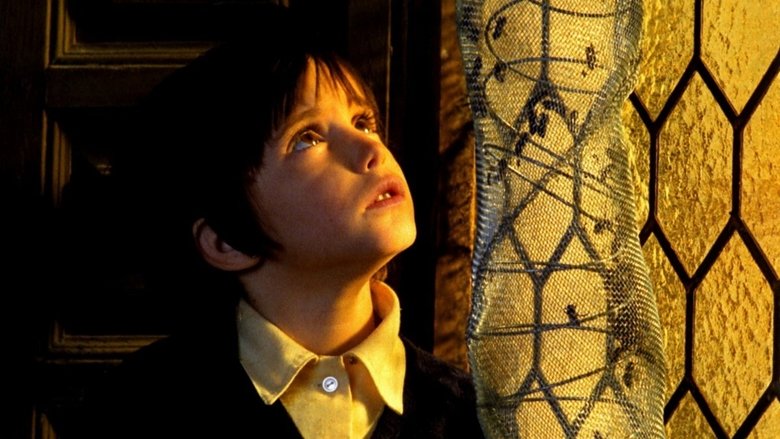
The glass beehive Fernando tends symbolizes the society of Francoist Spain: ordered, industrious, and endlessly repetitive, but entirely devoid of individuality, imagination, or soul. The hexagonal motifs reinforce that the family is trapped within this oppressive structure.
Used visually in the literal beehives and the honeycomb-patterned glass of the manor's windows. Fernando writes about the horrifying, frantic commotion of the hive during his sleepless nights.
Frankenstein's Monster
The Monster represents the "Other"—the defeated Republicans, the outcasts, and perhaps even the looming specter of Franco himself. To Ana, the Monster is a misunderstood spirit of loneliness, mirroring her own alienation and becoming a vessel for her empathy.
First seen on the cinema screen, the Monster's image haunts Ana's thoughts, reflects in the river, and is superimposed onto her perception of the wounded soldier and her own father.
The Poisonous Mushroom
The deadly mushroom symbolizes the hidden dangers of the adult world, the deception of appearances, and the lethal consequences of making the wrong choice under a fascist regime. It is a lesson in survival and a metaphor for censorship.
Fernando takes his daughters foraging and explicitly teaches them to identify and destroy the poisonous mushroom so nobody is harmed by its deceiving appearance.
The Pocket Watch
The musical pocket watch symbolizes the passage of time, the inescapable reality of the adult world, and the haunting presence of memory. It bridges the gap between Ana's innocent fantasy and the lethal consequences of the political reality.
Fernando's watch is given by Ana to the fugitive soldier. When the soldier is killed, the police find it and it plays its chime, alerting Fernando to Ana's actions.
Philosophical Questions
How does innocence process the concept of mortality and violence?
The film contrasts the adults' paralyzed, unspoken trauma with Ana's active, innocent questioning. By filtering the brutality of death and political execution through the lens of a movie monster, the narrative asks whether fantasy is a necessary shield for the innocent mind to comprehend the incomprehensible.
Can society function without the spirit of individuality?
Through Fernando's monologue about the beehive—a society characterized by frantic, mindless labor and an intolerance for the sick or dying—the film asks what happens to humanity when individuals are forced into absolute conformity, sacrificing their souls for the mechanics of the state.
What is the true nature of a 'monster'?
By making Frankenstein's creation an object of Ana's empathy rather than fear, the film challenges societal definitions of monstrosity. It questions whether the true monsters are the outcasts and the persecuted, or the authoritarian forces and societal indifference that destroy them.
Core Meaning
Víctor Erice uses the perspective of an innocent child to construct a veiled, allegorical critique of life under Francisco Franco's oppressive regime. The director illustrates how a society traumatized by war and silenced by authoritarian rule becomes emotionally paralyzed and alienated—much like the mindless, mechanical workers within a beehive. Through Ana's fascination with Frankenstein's monster, the film suggests that what the state dictates as "monstrous" or "other" often harbors true humanity. Ultimately, the film champions the power of imagination and cinema as vital tools for survival, resistance, and understanding in a world governed by censorship and fear.