The film creates tension around whether Alvin will make it and how Lyle will receive him. The 'twist' is that there is no dramatic confrontation or speech. Alvin arrives at Lyle's shack. His mower stalls/stops. He calls out. Lyle emerges, using a walker, looking just as frail as Alvin. They sit on the porch. Lyle looks at the mower and asks, "Did you ride that thing all the way out here to see me?" Alvin simply replies, "I did, Lyle." Tears fill Lyle's eyes. They look at the stars. The analysis here is that words are unnecessary; the act itself was the apology. The 'Straight Story' is that love is demonstrated through action/sacrifice, not dialogue.
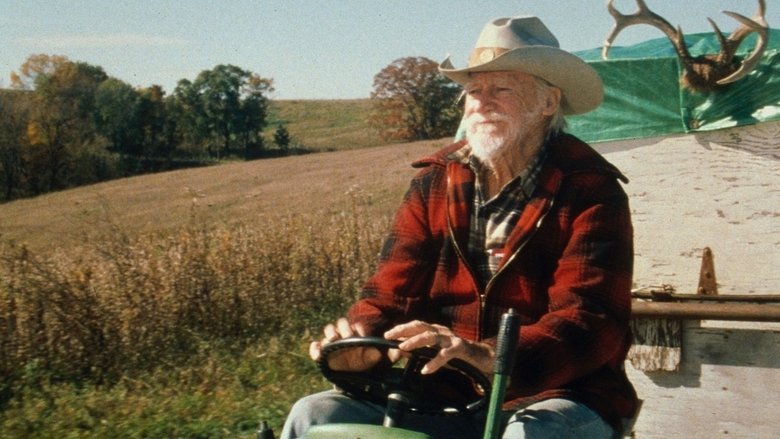
A slow-burning, tender road movie where an elderly man traverses the American Midwest on a lawnmower to mend a broken brotherhood. It transforms a simple journey into a profound meditation on aging, stubbornness, and the enduring power of family ties under the vast starry sky.
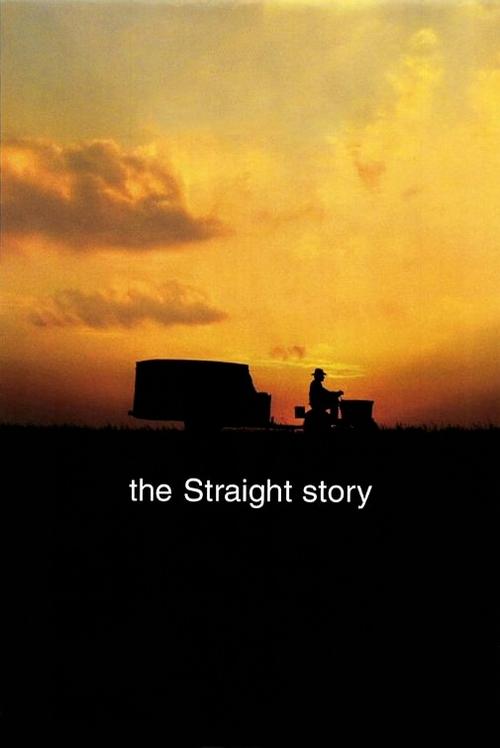
The Straight Story
"A true story that proves a little determination goes a very, very long way."
15 October 1999
United States of America
112 min
7.7
(1,728)
Director: David Lynch
Cast: Richard Farnsworth, Sissy Spacek, Jane Galloway Heitz, Joseph A. Carpenter, Donald Wiegert
Drama
The Burden and Wisdom of Aging
Reconciliation and Forgiveness
Family Unity
The Pace of Life
Budget:
$10,000,000
Box Office:
$6,418,028
The Straight Story — Ending Explained
⚠️ Spoiler Analysis
Alternative Interpretations
While largely straightforward, some critics argue the film is a spiritual allegory for the journey to the afterlife, with Alvin shedding his earthly burdens (his pride, his first mower) before reaching 'Mount Zion' (a biblical reference to the promised land). Another interpretation suggests the journey is an act of self-flagellation; the physical pain Alvin endures is a necessary punishment he inflicts upon himself for the years of silence and anger. There is also a reading that the film is Lynch's subversion of the road movie, where the vehicle is not a symbol of freedom and speed (like in Easy Rider or Wild at Heart), but of constraint and duty.
Explore More About This Movie
Dive deeper into specific aspects of the movie with our detailed analysis pages