Le Sommet des dieux
The Summit of the Gods - Symbolism & Philosophy
Symbols & Motifs
The Vest Pocket Kodak Camera
Represents the objective truth and the human desire to document and validate experiences. Its ultimate fate symbolizes the shift from seeking external proof to finding internal meaning.
Discovered in Kathmandu, it is the catalyst for the entire plot and the primary connection to George Mallory.
The Rope
A symbol of human connection and responsibility. It represents the literal and metaphorical tie between climbers, signifying how one person's life is entirely dependent on another's strength and commitment.
Featured prominently in the flashback of Buntaro's accident and later during the final ascent of Everest.
The Mountain (Everest)
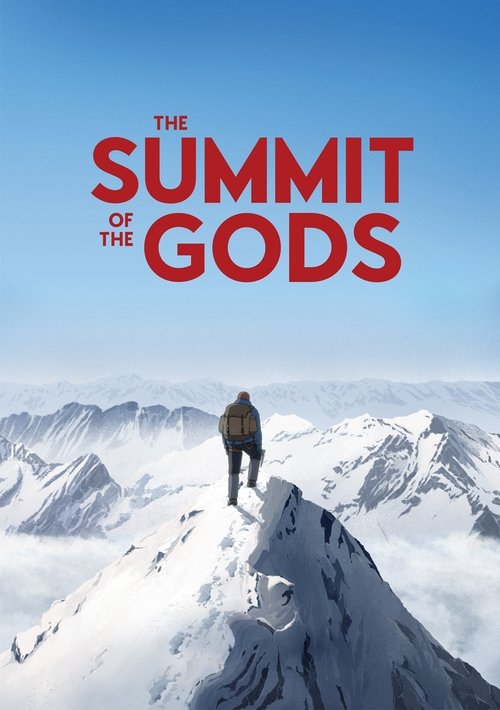
Symbolizes the unknowable and the absolute. It is a 'Summit of the Gods' where human ego is stripped away, leaving only the raw instinct to survive or transcend.
The primary setting for the climax, portrayed as a character that 'speaks' through sound design and weather.
Breath and Frost
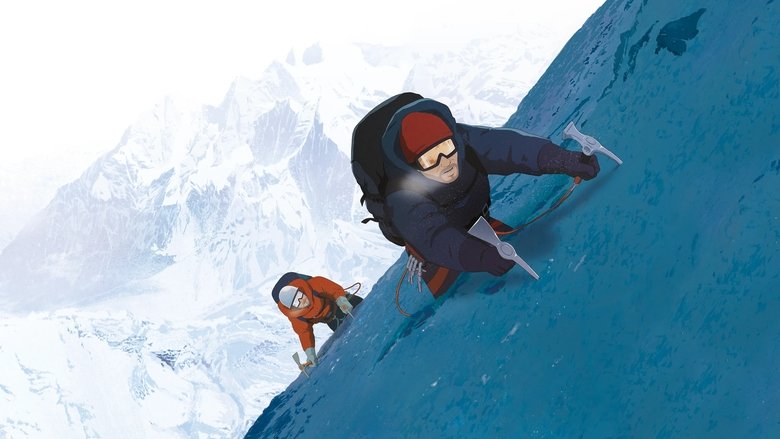
Symbolizes life and the struggle to maintain it in an environment hostile to biology. The visual focus on the characters' breathing underscores their proximity to death.
The sound design emphasizes heavy breathing and the visual detail of frost on eyelashes and masks during high-altitude scenes.
Philosophical Questions
Does an achievement have value if no one is there to witness it?
The film addresses the 'if a tree falls in the forest' dilemma through the mystery of Mallory and Habu's final climb. It suggests that personal experience is the only true witness that matters.
Is obsession a virtue or a vice?
The film refuses to moralize Habu's behavior. It shows the devastating consequences of his obsession (alienation, death of others) while also presenting it as the only path to his personal greatness.
Core Meaning
The core meaning of the film lies in the nature of obsession and the rejection of external validation. While the plot is initially driven by the mystery of Mallory's camera, the resolution suggests that the "truth" of history is secondary to the personal experience of the climb. The director explores why individuals pursue seemingly futile, life-threatening goals. Ultimately, the film posits that for the true seeker, the summit is not a destination but merely a step; the purpose is found in the will to keep moving despite the lack of a logical 'why.'