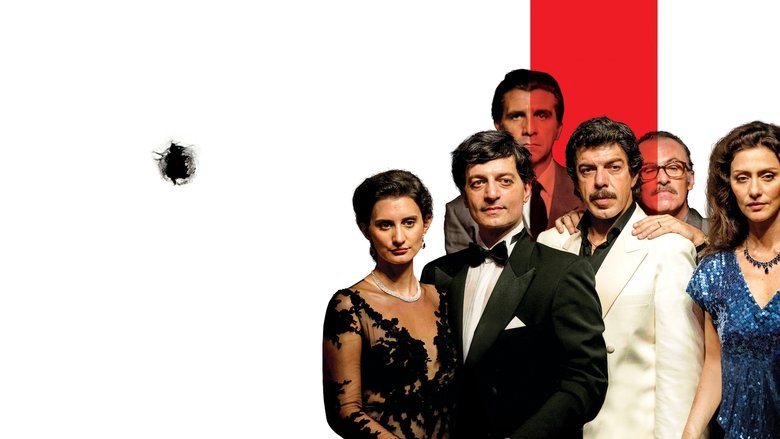
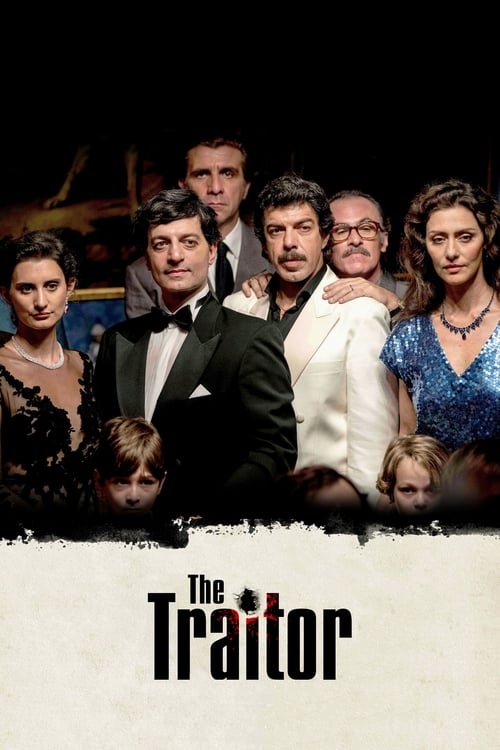
The Traitor
A sweeping, melancholic crime epic radiating tension and profound isolation. It paints a portrait of loyalty and betrayal, where a man's honor becomes a gilded cage suspended over a sea of blood.
The Traitor
The Traitor

Il traditore

"The true story about the man who brought down the Mafia"

23 May 2019 Brazil 151 min ⭐ 7.6 (1,408)
Director: Marco Bellocchio
Cast: Pierfrancesco Favino, Maria Fernanda Cândido, Fabrizio Ferracane, Fausto Russo Alesi, Luigi Lo Cascio
Drama Crime Thriller
The Myth of the Noble Mafia Honor versus Survival Institutional Power and Justice Guilt and the Ghosts of the Past

The Traitor - Ending Explained

⚠️ Spoiler Analysis

The film subverts the traditional rise-and-fall gangster narrative by focusing on the traumatic aftermath of a criminal empire. The most shocking cinematic twist is the brutal assassination of Judge Falcone, which Bellocchio masterfully depicts from the visceral, claustrophobic perspective of the flipping car's interior.

As the film progresses, it reveals that Buscetta's grand testimony does not bring him peace; instead, it brings profound isolation. The climactic courtroom confrontation with Totò Riina exposes the hypocrisy on both sides. In the end, Buscetta does not meet a violent mobster's death. Instead, he dies of natural causes in 2000 in Florida. This seemingly mundane ending is laced with hidden meaning: Buscetta outlived his enemies, but he was ultimately consumed by paranoia and the haunting hallucinations of his murdered sons, trapped in a psychological purgatory.

Alternative Interpretations

While the film predominantly presents Buscetta through his own lens—as a man holding onto a lost, noble code of honor—many critics argue the film subtly undermines this perspective. An alternative reading suggests Buscetta's honor is a complete self-delusion, a coping mechanism for his fragile ego. In this view, he did not cooperate out of morality, but purely out of revenge against Totò Riina and a cowardly desire to survive.

Furthermore, the ending—Buscetta dying quietly in an American bed rather than in a blaze of glory—can be seen not as a victory over his enemies, but as a purgatorial punishment, leaving him alone with the ghosts of the family he failed to protect.