Il traditore
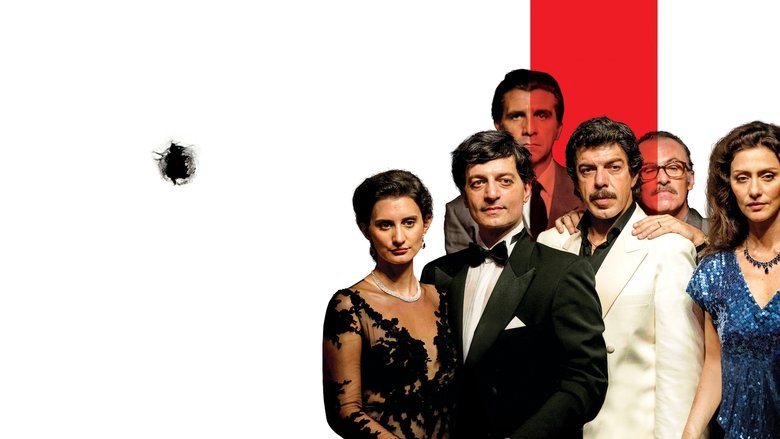
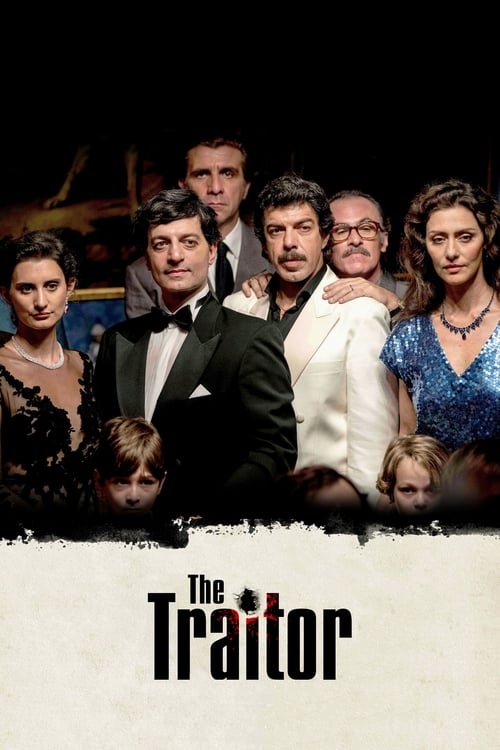
"The true story about the man who brought down the Mafia"
The Traitor - Symbolism & Philosophy
Symbols & Motifs
The Courtroom Cages
The large metal cages lining the back of the courtroom symbolize the barbaric, zoo-like devolution of the Mafia.
Used during the Maxi Trial scenes, the cages hold dozens of screaming, unruly mobsters who act like caged animals, directly contrasting with the formal order of the judicial system.
The Supermarket Assault Rifle
This symbolizes Buscetta's eternal paranoia and the inescapable shadow of his violent past.
In the final act, an elderly Buscetta living in the United States under witness protection casually examines and purchases a semi-automatic weapon while grocery shopping.
The Delayed Title Card
The title Il Traditore appearing late symbolizes the complex, unresolved nature of Buscetta's identity.
The title is deliberately withheld until the very end of the film, forcing the audience to grapple with whether Buscetta was truly a traitor or a man who stayed true to his own twisted morals.
Philosophical Questions
Can an evil institution have an honorable past?
The film constantly questions Buscetta's belief in the 'old' Mafia. It asks whether the concept of honor among thieves was ever real, or if it was always just a violent syndicate that merely changed its tactics to become more visibly ruthless.
What is the true nature of betrayal?
The narrative explores whether breaking an oath to a corrupt, murderous organization is a moral failing or an act of profound bravery, challenging the absolute meaning and stigma of the word traitor.
How does ego shape our perception of our own morality?
By showing Buscetta's stubborn refusal to be called a pentito (repentant), the film delves into how individuals construct elaborate personal mythologies to justify their survival and protect their pride.
Core Meaning
Director Marco Bellocchio utilizes Buscetta's story to dissect the mythology and hypocrisy of the Mafia. The film fundamentally challenges the romanticized notion of honor among thieves, portraying Cosa Nostra not as a brotherhood of noble outlaws, but as a syndicate driven by greed, savagery, and betrayal. Bellocchio's core message suggests that the true betrayal was not Buscetta turning to the state, but the Mafia abandoning any semblance of its fabricated moral code.
Furthermore, the film is a profound exploration of ego, guilt, and the weight of history. It examines how fragile institutional power truly is and highlights the moral ambiguity of a protagonist who cooperates with justice not out of a sudden awakening to civil duty, but primarily for vengeance and self-preservation.