たそがれ清兵衛
The Twilight Samurai - Symbolism & Philosophy
Symbols & Motifs
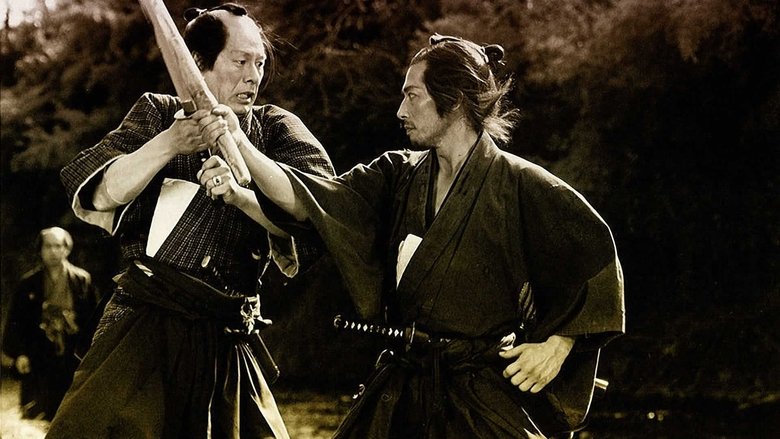
The Bamboo Sword / Wooden Stick
Symbolizes Seibei’s rejection of the samurai’s traditional "soul" (the katana) in favor of practical survival and peace. It also represents his superior skill, showing he can defeat an armed opponent without lethal intent.
Seibei sells his steel katana to pay for his wife's funeral and later uses a wooden sword to disarm Tomoe's abusive ex-husband.
Twilight (Tasogare)
A metaphor for the fading relevance of the samurai class and the literal time of day when Seibei finds his only true joy—returning home to his family.
The nickname given to him by mocking coworkers who do not understand his priorities.
The Garden
Represents a pocket of order, growth, and life that Seibei nurtures amidst the chaos and decay of the outside world.
Seibei is frequently seen meticulously tending his small plot of land to supplement his family's food supply.
Philosophical Questions
What constitutes a 'fortunate' life?
The film asks whether success is measured by social status and wealth (the clan's view) or by the depth of one's personal relationships (Ito's view).
Can a person truly escape their social destiny?
Through Seibei's struggle to be a father first and a samurai second, the film explores the conflict between individual identity and the roles imposed by society.
Core Meaning
Director Yoji Yamada redefines the jidaigeki (period drama) by stripping away the romanticized myth of the samurai. The film’s core message is that true honor does not reside in feudal loyalty or blood-soaked glory, but in the mundane, sacrificial acts of love and family care. It posits that being a "hero" is less about the skill of the sword and more about the courage to remain human and compassionate within a rigid, crumbling social system.