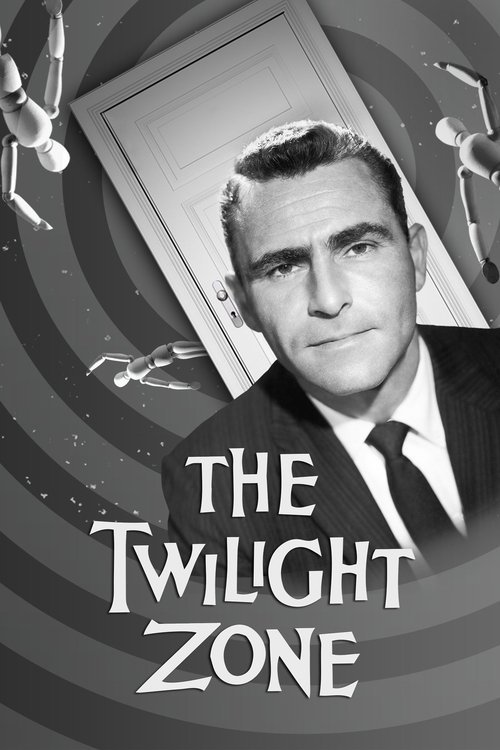
The Twilight Zone
A haunting, monochrome odyssey into the uncanny, where ordinary lives spiral into extraordinary parables, leaving a chilling echo of existential dread and wonder.
The Twilight Zone
The Twilight Zone

"You are about to enter another dimension."

02 October 1959 — 19 June 1964 United States of America 5 season 156 episode Ended ⭐ 8.5 (957)
Cast: Rod Serling, Robert McCord, Jay Overholts, Vaughn Taylor, Bernard Sell
Drama Sci-Fi & Fantasy Mystery
Humanity's Fear of the Unknown and Each Other The Nature of Reality and Identity The Irony of Fate and Poetic Justice Nostalgia, Time, and Mortality

The Twilight Zone - Ending Explained

⚠️ Spoiler Analysis

The Twilight Zone's narrative power lies in its masterful use of the twist ending, a device that re-contextualizes the entire story that came before it. A recurring pattern across all five seasons is the revelation that the protagonist is not who or where they think they are, or that the threat comes from an unexpected source. In the pilot, "Where Is Everybody?", the twist is that the seemingly abandoned town is a hallucination experienced by an astronaut in an isolation chamber, establishing the series' focus on psychological states.

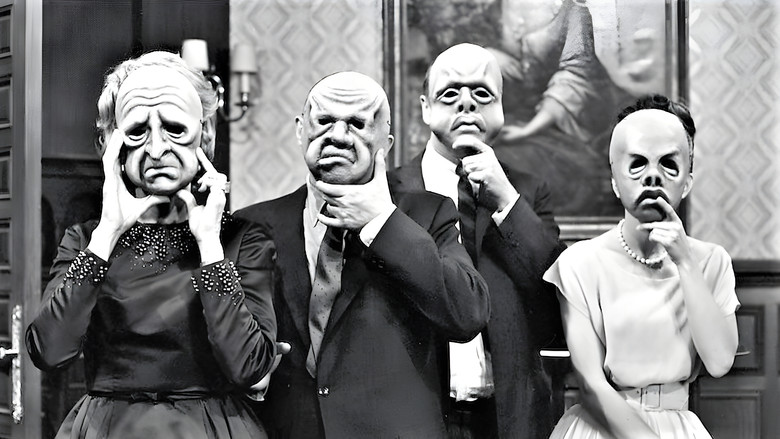
One of the most famous twists reveals the hidden malevolence of a seemingly benevolent force. In "To Serve Man," the alien Kanamits' promise to help humanity is exposed as a lie when their book's title is fully translated: it is a cookbook. This turns a tale of utopian hope into one of cosmic horror. Another iconic twist involves a reversal of perspective. In "Eye of the Beholder," the audience is led to believe a woman is horribly disfigured, only to learn that her society is populated by pig-snouted people and she is considered abnormal because she is, by our standards, beautiful.

Perhaps the most common and impactful twist is the revelation that humanity is its own worst enemy. In "The Monsters Are Due on Maple Street," a neighborhood descends into paranoid chaos, believing aliens are among them. The final scene reveals two aliens watching from a hillside, confirming their plan was to simply let human suspicion and prejudice do their work for them, effectively making humanity the instrument of its own destruction. This theme is central to the series' ethos. The finale of the series is not a grand, concluding story, but another anthology episode, reinforcing that the Twilight Zone is a permanent, ever-present dimension of human experience.

Alternative Interpretations

While most episodes of The Twilight Zone present a clear moral, the anthology format and often ambiguous endings have invited various interpretations. One major area of discussion is the nature of the 'Zone' itself. Is it a literal dimension, a state of mind, a manifestation of divine or cosmic justice, or simply a narrative framework for exploring human psychology? Some interpretations suggest the Zone is a purgatorial space where characters are forced to confront their moral failings. Episodes like "The Hunt" explicitly deal with the afterlife, while others like "A Stop at Willoughby" can be seen as psychological breaks from reality or as actual journeys through time and space.

Another perspective views the series not just as a critique of its time but as a deeply personal reflection of Rod Serling's own experiences and traumas, particularly his service in World War II. Episodes dealing with war, death, and psychological distress can be interpreted as Serling processing his own nightmares on screen. This reading adds a layer of autobiography to the fantastic stories, suggesting the 'Zone' was also a landscape for his own personal exploration of fear and morality.