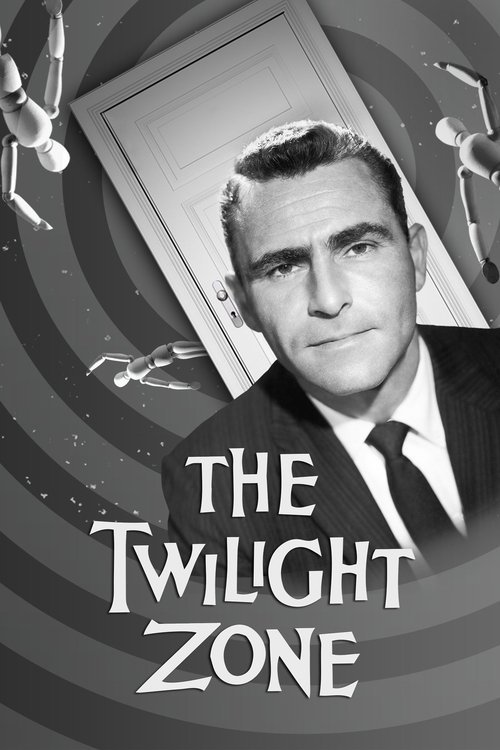
"You are about to enter another dimension."
The Twilight Zone - Episode Highlights
Episode Highlights
The Monsters Are Due on Maple Street
When a mysterious power outage and a flashing light in the sky disrupt a quiet suburban neighborhood, the residents' fear and suspicion quickly escalate. They begin to accuse one another of being alien invaders in disguise, leading to a complete breakdown of social order, mob mentality, and violence.
This episode is a powerful allegory for the paranoia of the Cold War and McCarthy-era witch hunts. It masterfully demonstrates how easily fear can turn neighbors into enemies and is one of the clearest examples of Rod Serling using science fiction to deliver sharp social commentary. Its message about the dangers of prejudice and scapegoating remains profoundly relevant.
Time Enough at Last
A henpecked, book-loving bank teller named Henry Bemis finds solace only in reading. During his lunch break in the bank's vault, a nuclear bomb detonates, leaving him the sole survivor on Earth. He is initially devastated, but then discovers the ruins of the public library and rejoices that he finally has all the time in the world to read without interruption.
This episode is famous for its devastatingly ironic twist ending, which became a signature of the series. It's a poignant and tragic exploration of loneliness and the cruelty of fate, and it remains one of the most iconic and frequently cited episodes of the entire show.
Eye of the Beholder
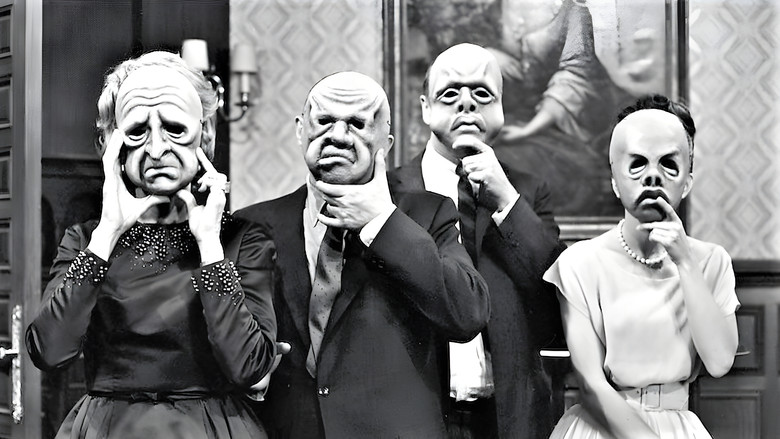
A woman named Janet Tyler lies in a hospital bed, her face completely covered in bandages. She has undergone her final state-mandated procedure to correct her hideous disfigurement. The doctors and nurses, whose faces are kept in shadow, discuss the tragedy of her condition. The tension builds until her bandages are removed.
This episode is a brilliant critique of conformity and societal standards of beauty. The shocking reveal—that the doctors and nurses are what we would consider grotesquely disfigured, while Janet is beautiful by our standards—forces the audience to confront the arbitrary nature of beauty. It's a powerful statement on social pressure and the pain of being an outsider.
Nightmare at 20,000 Feet
A man recently recovered from a nervous breakdown, Bob Wilson (played by William Shatner), is flying home with his wife. During the flight, he looks out the window and sees a hideous gremlin on the wing of the plane, tampering with the engine. No one else sees it, and his frantic attempts to convince his wife and the crew lead them to believe he is having a relapse.
Perhaps the most famous and widely parodied episode, it is a masterclass in suspense and psychological horror. It perfectly captures the terror of being the only one who sees a threat, and the maddening helplessness of not being believed. The story preys on common fears of flying and loss of control, becoming a cultural touchstone.
To Serve Man
A highly advanced and seemingly benevolent alien race, the Kanamits, arrives on Earth, offering solutions to all of humanity's problems: famine, war, and energy shortages. They leave behind a book, which cryptographers work tirelessly to translate. The title is translated as "To Serve Man," reassuring humanity of their peaceful intentions.
This episode features one of the most chilling and memorable twist endings in television history. The final reveal—that "To Serve Man" is a cookbook—is a shocking punchline that turns a story of hope into one of absolute horror. It's a cautionary tale about trust, deception, and the idiom "if it seems too good to be true, it probably is."
It's a Good Life
The small town of Peaksville, Ohio lives in absolute terror of a six-year-old boy named Anthony Fremont. Anthony has god-like mental powers: he can read minds and can make anything he wishes happen. The slightest displeasure can cause him to wish people or things away into a cornfield from which there is no return. The adults around him live in a constant state of feigned happiness, always telling him everything he does is "real good."
This is one of the most genuinely terrifying episodes of the series, exploring the horror of absolute power in the hands of a capricious child. It's a chilling allegory for tyranny and the psychological effects of living under constant fear, where expressing a negative thought can lead to annihilation.