The narrative of The Wages of Fear is a tragic, fatalistic arc where every victory is temporary and ultimately undone. The first major turning point is the sudden, off-screen explosion of Luigi and Bimba's truck. There is no warning or clear cause; one moment they are part of the journey, the next they are gone. This shocking event fundamentally alters the tone, ramming home the arbitrary nature of death and the constant, indiscriminate danger the men face. It reveals that no amount of skill or care can guarantee survival against such overwhelming odds.
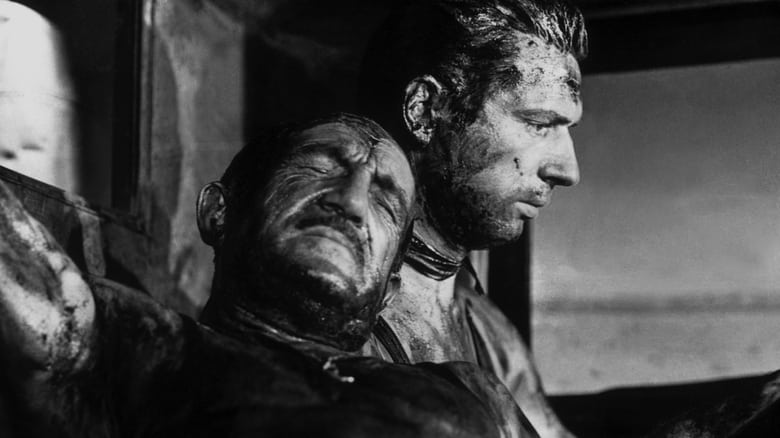
The film's climax is not the delivery of the nitroglycerin, but the psychological and physical destruction of Jo. Trapped in the truck in a pool of oil, his leg is crushed. Mario, in a moment of cold survivalism, drives over his friend's leg to free the truck. Jo later dies in Mario's arms, rambling about his past and concluding with the nihilistic cry that there is 'nothing' behind the fence of life. This moment signifies the death of Mario's last vestige of hero-worship and perhaps his own soul.
The ultimate spoiler is the profoundly ironic ending. Mario, the sole survivor, successfully delivers the cargo and is hailed as a hero. He collects his and Jo's pay and begins his triumphant drive back to Las Piedras. On the winding mountain road, overcome with euphoric relief, he begins to drive recklessly, swerving playfully to the rhythm of a Strauss waltz on the radio. As his lover Linda dances in celebration back at the cantina, awaiting his return, Mario takes a turn too fast and plunges off the cliff to his death. This final, cruel twist reveals the film's hidden meaning: the 'wages of fear' were never the money. The true price was death. The entire grueling, terrifying journey was for nothing, a pointless exercise in a universe governed by a malevolent sense of irony and chance. The escape he fought so hard for was an illusion.