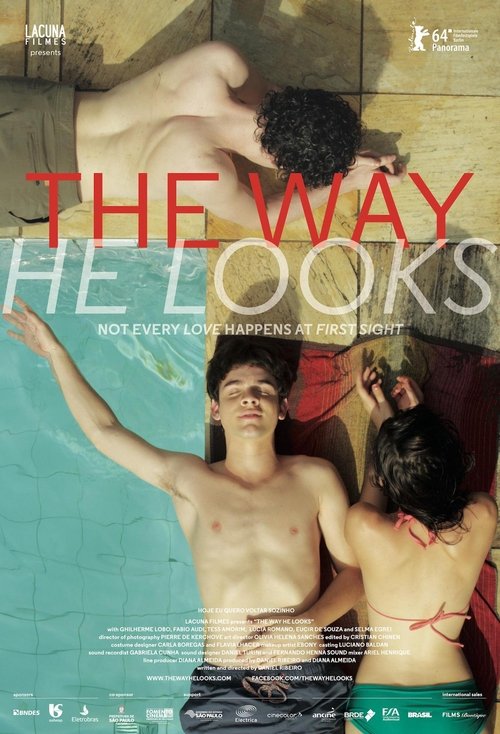
The core of the film's plot revolves around the evolving relationships between Leonardo, Giovana, and Gabriel. The turning point occurs at a party where the group plays Spin the Bottle. When the bottle lands on Leonardo, a bully intends to have him kiss a dog as a cruel prank. Giovana intervenes, but Leonardo, unaware of the intended humiliation, gets angry at her for being controlling. Later that night, Gabriel walks him home. Frustrated, Leonardo laments that no one will let him even kiss anyone, at which point Gabriel impulsively kisses him and quickly leaves.
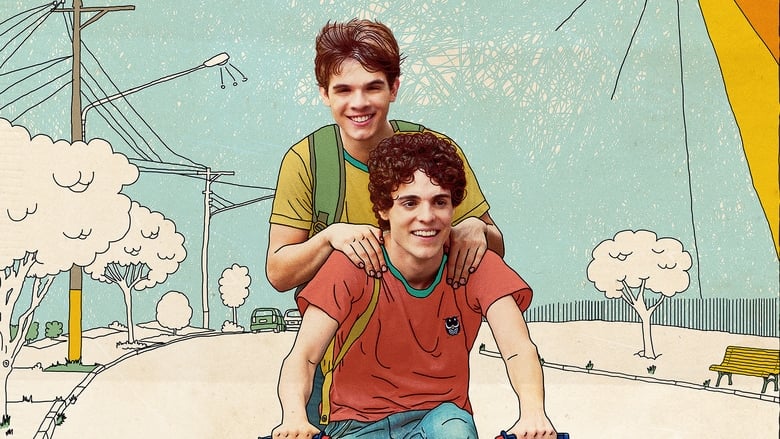
This kiss creates confusion, as Gabriel later claims he was drunk and doesn't remember it, leaving Leonardo hurt and uncertain. The tension culminates during a school camping trip. In a moment of vulnerability, Leonardo confesses to Giovana that he is in love with Gabriel. After the trip, urged on by a supportive Giovana, Gabriel visits Leonardo. He admits he does remember the kiss and confesses his feelings are mutual. Leonardo responds by kissing him, confirming their relationship. The film's ending provides a deeply satisfying resolution: Leonardo and Gabriel walk home from school holding hands, with Giovana walking alongside them, smiling. Their friendship trio is restored, and Leonardo no longer needs to walk with his hand on someone's arm for guidance; he is now holding a hand in a gesture of love and pride. The final shot of Leonardo confidently riding a bicycle with Gabriel on the back symbolizes his complete journey to independence and trust.