Hoje Eu Quero Voltar Sozinho
"Not every love happens at first sight"
The Way He Looks - Symbolism & Philosophy
Symbols & Motifs
Gabriel's Sweatshirt
Gabriel's sweatshirt symbolizes comfort, intimacy, and the tangible presence of his affection for Leonardo. It becomes a sensory link to Gabriel when he is not there.
After Gabriel leaves his sweatshirt at Leonardo's house, Leonardo puts it on. He lies in bed, smelling it and feeling its texture, allowing him to feel close to Gabriel through his other senses. This act is a private, intimate moment of him acknowledging his deep feelings.
The Bicycle
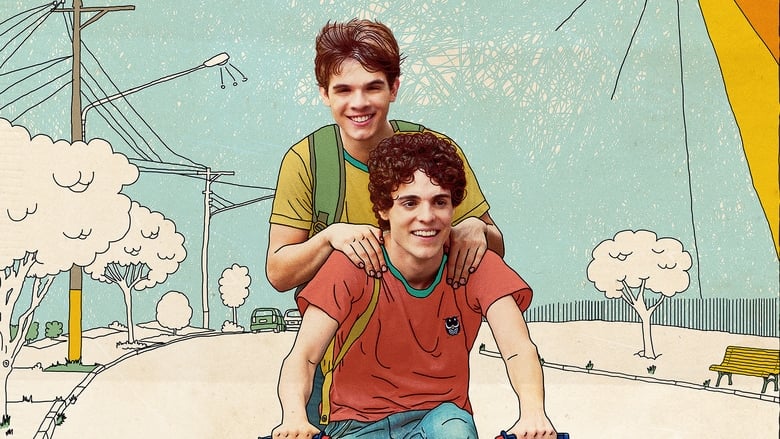
The bicycle represents freedom, trust, and overcoming perceived limitations. For Leonardo, riding a bike seems impossible, but the act of doing so signifies a major step in his journey toward independence and the trust he shares with Gabriel.
Early in the film, Leonardo mentions that riding a bike is impossible for him. The final scene shows Leonardo riding a bike with Gabriel on the back, guiding him. This powerful image encapsulates his newfound confidence and the complete trust that has formed between them.
Lunar Eclipse
The lunar eclipse serves as a moment of shared, intimate experience that transcends sight. It symbolizes a unique way of 'seeing' and connecting, highlighting how a profound experience can be shared without visual perception.
Gabriel takes Leonardo to 'watch' a lunar eclipse, describing the celestial event to him in detail. This scene emphasizes their growing bond and Gabriel's willingness to share the world with Leonardo in a way that is meaningful to him, strengthening their connection beyond the physical.
Philosophical Questions
What is the basis of love and attraction?
The film directly challenges the primacy of sight in romantic attraction. Leonardo has never seen anyone, so his affection for Gabriel develops from other sensory inputs: the sound of his voice, the comfort of his presence, the feel of his touch, and the intellectual and emotional connection they share. This prompts the audience to question how much of conventional attraction is based on societal beauty standards and visual cues versus deeper, non-visual qualities. It posits that love can be 'blind' in the most literal sense, originating from a place of pure emotional and personal compatibility.
To what extent do the perceptions of others define our limitations?
"The Way He Looks" explores the idea that personal limitations are often imposed externally. Leonardo is physically capable of much more than his mother believes. The bullies mock him and his classmates initially isolate him based on their perception of his disability. It is only when Gabriel treats him as an equal, without preconceived limitations, that Leonardo truly begins to flourish and test the boundaries of his independence. The film argues that our potential is often constricted not by our own abilities, but by the limiting and protective lenses through which others see us.
Core Meaning
The central message of "The Way He Looks" is a universal exploration of first love and the journey toward self-acceptance and independence. Director Daniel Ribeiro uses Leonardo's blindness not as a tragedy, but as a lens to examine how we connect with others beyond visual attraction. The film suggests that true affection transcends physical sight, rooted instead in emotional connection, touch, and mutual understanding. It's a story about emancipation—Leonardo's struggle is not just about discovering his homosexuality, but about breaking free from the limitations imposed on him by his disability and his overprotective family. The film champions the idea that everyone, regardless of physical ability or sexual orientation, deserves the freedom to discover who they are and to experience love.