Skip to content
The Whisper Man
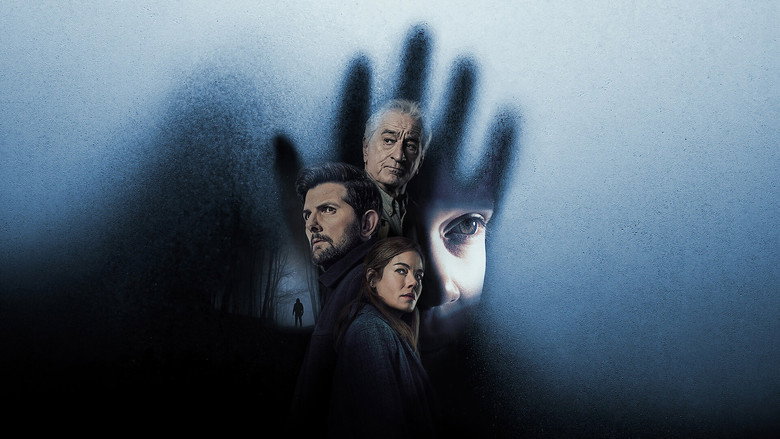
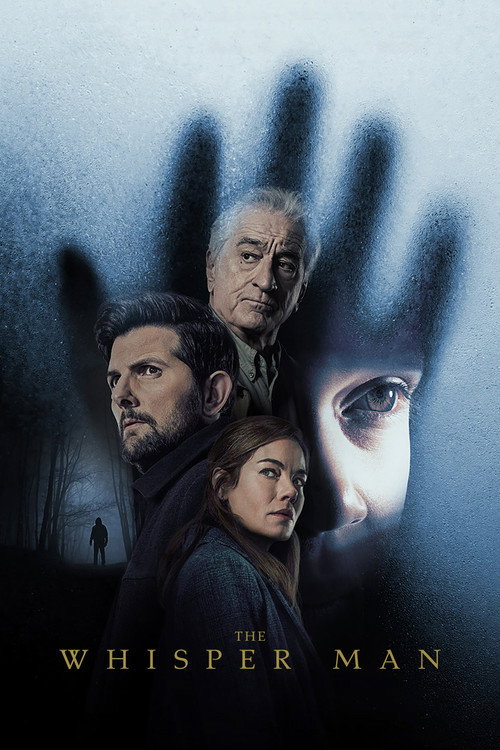
A nocturnal psychological thriller wrapped in chilly blue-gray shadows, where generational trauma manifests as a sinister bedtime nursery rhyme tapping at the glass of broken homes.
The Whisper Man
The Whisper Man

"If you leave the door half open, soon you'll hear the whispers spoken."

27 August 2026 United States of America 114 min 6.3 (208)

Director: James Ashcroft

Cast: Adam Scott, Robert De Niro, Michelle Monaghan, Acston Luca Porto, Michael Keaton

Drama Crime Thriller Paternal Legacy and Generational Estrangement Grief, Solitude, and Child Vulnerability Cycles of Violence and Inherited Evil Guilt, Obsession, and the Burden of Memory

The Whisper Man β€” Ending Explained

⚠️ Spoiler Analysis

Throughout the film, the central mystery questions whether Frank Carter is orchestrating new kidnappings from his prison cell or if an imitator is active. It is revealed that Carter had a hidden disciple and biological connection: Francis Jr. (Owen Teague), Carter's final, unrecorded psychological victim who was groomed to perpetuate his horrifying rituals.

Francis Jr. abducts Jake Kennedy to record a final audio tape before killing him, mirroring Carter's historic modus operandi. Pete Willis and Tom Kennedy decipher Carter's coded references and trace Francis Jr. to a secluded hideout. Pete confronts Francis Jr., recognizing him as the missing piece of his original investigation, while Tom successfully rescues Jake alive, breaking the murderous cycle.

Director James Ashcroft frames the conclusion as bittersweet rather than purely triumphant. Francis Jr. is framed as a tragic byproduct of Carter's maliceβ€”a victim converted into a perpetrator. While Jake is reunited with Tom, Pete carries the weight of past losses, though father and son finally begin a path toward mutual reconciliation and healing.

Alternative Interpretations

The narrative invites several distinct analytical readings:

  • Grief-Induced Hallucination vs. Spectral Intuition: Jake's interactions with an "imaginary girl" in the old house can be read either as psychological dissociation following his mother's death or as a genuine supernatural manifestation of past victims warning him of danger.
  • The "Whisper" as Metaphor for Infectious Evil: Frank Carter can be viewed not merely as an isolated criminal, but as a source of mimetic pathology that travels through damaged psyches, compelling vulnerable individuals into copycat violence.
  • The Paternal Mirror: The contrast between Tom trying to rescue his son and Carter's manipulation of his younger accomplice presents a dual study of restorative versus destructive fatherhood.

Explore More About This Movie

Dive deeper into specific aspects of the movie with our detailed analysis pages

Similar Movies