風立ちぬ
"We must live."
The Wind Rises - Symbolism & Philosophy
Symbols & Motifs
The Wind
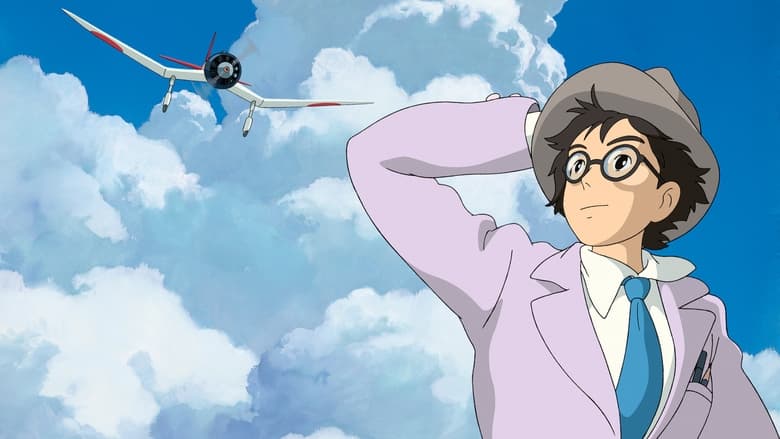
Represents the unpredictable and often violent force of history and change. It is both the wind that lifts the planes and the "terrifying wind" of war and death that shakes the trees and takes Naoko away.
Used as a literal catalyst (meeting Naoko) and a metaphorical signifier of transition and passing throughout the film.
Paper Airplanes
Symbolize the purity of childhood wonder and the playfulness of romance, detached from the lethal reality of military aviation.
Jiro and Naoko use them to communicate and express affection, contrasting with the heavy, metallic warplanes Jiro designs at Mitsubishi.
The Mackerel Bone
Represents the organic perfection of nature that inspires engineering. It symbolizes Jiro's ability to find aeronautical beauty in the simplest, most mundane forms.
Jiro studies the curve of a mackerel bone during dinner, seeing in it the ideal shape for a wing spar.
Smoking
A symbol of shared burdens, intimacy, and the shared "breath" of the characters. It serves as a grounded, human habit amidst their lofty dreams.
Frequent scenes of Jiro and Honjo smoking together represent their camaraderie, and a controversial scene where Jiro smokes while holding Naoko's hand signifies their desperate closeness.
Philosophical Questions
Is technology truly neutral?
The film explores whether an engineer can claim moral neutrality when their 'beautiful' designs are inherently intended for destruction, challenging the idea that the creator is separate from the usage.
Does the value of a 'creative decade' justify the neglect of personal life?
Through Jiro's choice to work while Naoko dies, the film asks if achieving artistic immortality is worth the loss of human connection and personal happiness.
Core Meaning
The core of the film is a meditation on the "cursed dream" of the artist and the engineer. Miyazaki explores the paradox of creation: the pursuit of pure, aesthetic beauty that inevitably becomes entangled with destruction and death. Jiro's desire is not to build weapons, but to create "beautiful airplanes," yet the reality of his time demands that his genius be used for war. The film suggests that while the winds of history may be terrifying and destructive, the individual must still find the courage to live and create, regardless of the eventual fate of their work. It is a deeply personal reflection on Miyazaki's own career, questioning whether the obsessive devotion required for high art is worth the personal and social costs.