Skip to content
The Wonder Years
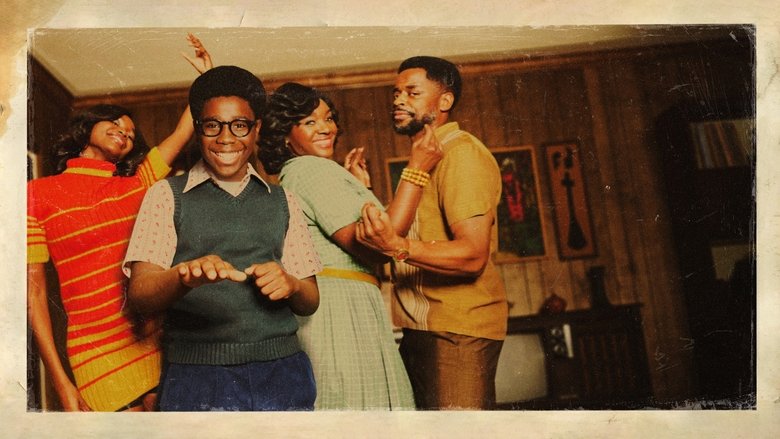
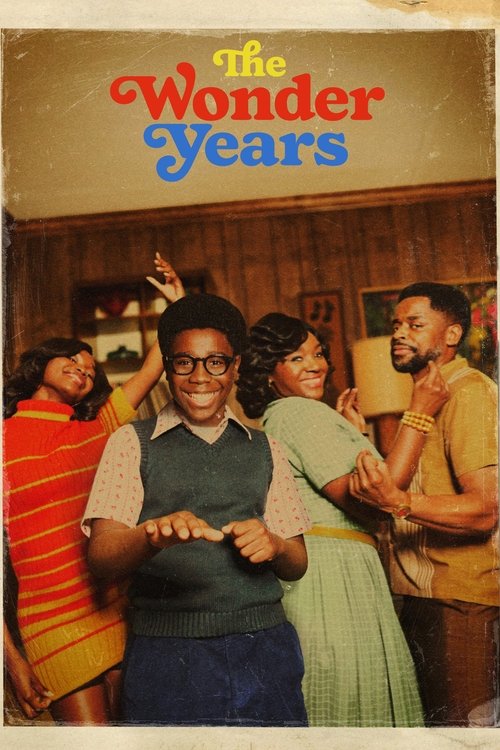
A sun-drenched period dramedy steeped in gentle nostalgia and bittersweet wonder, capturing the luminous warmth of a 1960s Black childhood like a treasured Polaroid glowing against the turbulent storm of American history.
The Wonder Years
The Wonder Years

"Return to wonder."

22 September 2021 — 16 August 2023 United States of America 2 season 32 episode Canceled 7.0 (212)

Cast: Elisha Williams, Dulé Hill, Saycon Sengbloh, Laura Kariuki, Amari O'Neil

Drama Family Comedy Joy, Innocence, and the Black Middle Class Experience Coming of Age Amid Sociopolitical Upheaval Family Solidarity and Generational Ideological Gaps Belonging, Community Identity, and Subverting Nostalgia

The Wonder Years — Ending Explained

⚠️ Spoiler Analysis

Season 1 begins on April 4, 1968, with Dean organizing an integrated baseball game to impress his crush, Keisa. The day is disrupted by the assassination of Dr. Martin Luther King Jr., prompting Dean to see his father Bill weep for the first time. Throughout the season, Dean navigates school pursuits and unrequited feelings for Keisa, while Lillian takes a high-stakes state accounting job and confronts subtle institutional prejudice. The season culminates with Bruce returning from the Vietnam War visibly altered by combat.

Season 2 picks up during the summer and fall of 1969. Dean visits New York with Bill, expanding his perspective, and endures his first real romantic entanglements and heartbreaks back home. Bruce struggles with survivor's guilt, while Kim prepares for college. In the series finale ("The Happiest Place on Earth"), the family takes a Southern road trip for Kim's college visits and an intended trip to Disneyland. Facing the logistical realities of Jim Crow travel, the family finds strength in their togetherness. Adult Dean reflects on the bittersweet end of childhood ease as Kim prepares to leave home, cementing the family's enduring bond.

Alternative Interpretations

Critics and scholars have noted multiple thematic readings of the series:

  • Subversive Critique: A deliberate effort to assert that Black families were fully entitled to the same nostalgic, middle-class warmth that white suburban sitcoms enjoyed for decades.
  • Reflective Coping Mechanism: Adult Dean’s narration softens historical trauma, viewing his youth through a golden-hued memory lens to preserve the joy of parents who shielded him from harsh realities.
  • Middle-Class Complicity: A critique centered on Lillian and Bill's socioeconomic status, exploring the tension between middle-class comfort and the radical political action demanded by the younger generation like Kim.

Explore More About This Movie

Dive deeper into specific aspects of the movie with our detailed analysis pages

Similar Movies