Skip to content
The Wonder Years
A sun-drenched period dramedy steeped in gentle nostalgia and bittersweet wonder, capturing the luminous warmth of a 1960s Black childhood like a treasured Polaroid glowing against the turbulent storm of American history.
The Wonder Years

The Wonder Years

"Return to wonder."

22 September 2021 — 16 August 2023 United States of America 2 season 32 episode Canceled 7.0 (212)

Cast: Elisha Williams, Dulé Hill, Saycon Sengbloh, Laura Kariuki, Amari O'Neil

Drama Family Comedy Joy, Innocence, and the Black Middle Class Experience Coming of Age Amid Sociopolitical Upheaval Family Solidarity and Generational Ideological Gaps Belonging, Community Identity, and Subverting Nostalgia

Overview

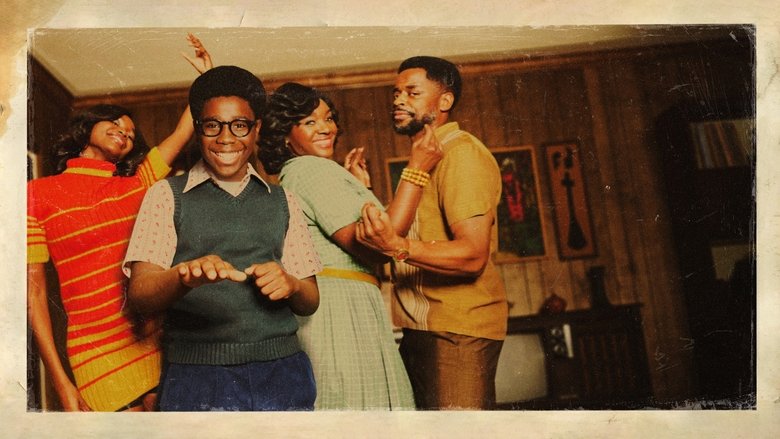
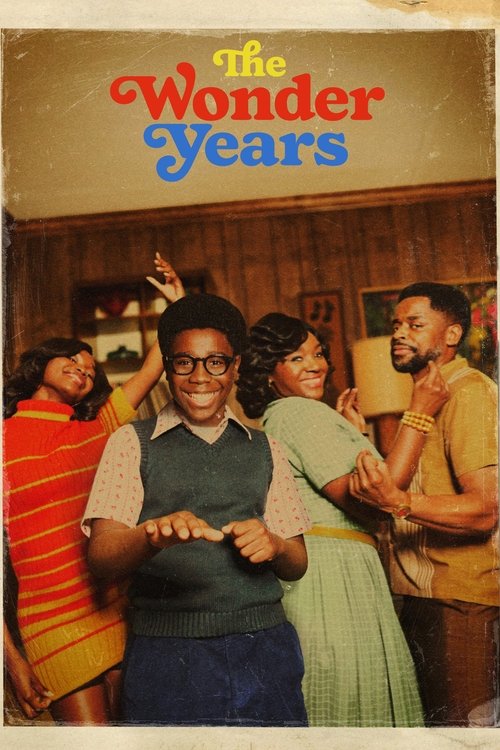
Developed by showrunner Saladin K. Patterson and executive produced alongside Lee Daniels, the 2021 reimagining of The Wonder Years reframes the classic coming-of-age template through the lens of a Black middle-class family residing in Montgomery, Alabama, during the late 1960s. Narrated with reflective wisdom by an adult Dean Williams (voiced by Don Cheadle), the series centers on twelve-year-old Dean (Elisha "EJ" Williams) as he attempts to carve out an identity within a vibrant, tight-knit household and a rapidly changing country.

Across its two seasons comprising 32 episodes, the show captures the universal awkwardness of adolescent milestones—first crushes, middle-school rivalries, and growing pains—while grounding them in the specific socioeconomic and racial realities of the Jim Crow South on the cusp of desegregation. The overarching narrative tracks the Williams family dynamics: patriarch Bill (Dulé Hill), a funk musician and music professor balancing integrity with practical responsibilities; matriarch Lillian (Saycon Sengbloh), an ambitious accountant climbing the professional ladder; older sister Kim (Laura Kariuki), a politically engaged teenager exploring Black power movements; and older brother Bruce, who is deployed to fight in the Vietnam War.

Rather than portraying the era strictly through the lens of trauma and national strife, the series balances historical weight with the joyful, ordinary intimacies of family life. Over two seasons, Dean moves from naive innocence toward greater maturity, experiencing the bonds of friendship with his eclectic group of peers, navigating his feelings for his longtime crush Keisa, and witnessing his family persevere with humor, dignity, and deep communal love.

Core Meaning

The fundamental message of The Wonder Years is that Black childhood and family life in 1960s America were defined not merely by societal struggles and civil rights resistance, but also by genuine wonder, ordinary suburban joy, warmth, and innocence. Creator Saladin K. Patterson expanded the American historical memory by asserting that Black families did not live lives exclusively framed by tragedy—they had their own "wonder years" complete with backyard baseball, teenage angst, artistic ambition, and enduring domestic devotion. The series affirms that joy and community solidarity are themselves powerful forms of resilience.

Thematic DNA

Joy, Innocence, and the Black Middle Class Experience 35%
Coming of Age Amid Sociopolitical Upheaval 25%
Family Solidarity and Generational Ideological Gaps 25%
Belonging, Community Identity, and Subverting Nostalgia 15%

Joy, Innocence, and the Black Middle Class Experience

The show purposefully illuminates the rarely depicted everyday life of the 1960s Southern Black middle class. Dean’s world is rich with Little League games, music rehearsals, and neighborhood traditions. This theme evolves from simple childhood preoccupations in Season 1 to a more nuanced awareness in Season 2 of the sacrifices his parents make to shield their children from structural prejudice.

Coming of Age Amid Sociopolitical Upheaval

Adolescence is complicated by seismic historical markers, including the assassination of Dr. Martin Luther King Jr., the Vietnam War, and the struggle for integration. Rather than relegating history to textbook recitations, the narrative shows how global and national politics directly puncture the innocence of Dean and his circle of friends.

Family Solidarity and Generational Ideological Gaps

The generational divide between parents who endured Jim Crow and their children who demand immediate systemic change forms a central pillar. Dean’s father Bill favors steady self-reliance and cultural pride, while his sister Kim embraces revolutionary youth activism. Across the run, these ideological frictions are reconciled through mutual respect and unconditional familial love.

Belonging, Community Identity, and Subverting Nostalgia

By establishing friendships across racial and cultural lines—such as Dean’s close bond with Brad, his Jewish classmate, and Cory—the show examines coalition-building and mutual empathy. It subverts traditional 1950s/1960s American sitcom nostalgia by revealing the complexity of living in an unequal society while celebrating the vibrant institutions of the Black community.

Character Analysis

Dean Williams

Elisha "EJ" Williams (Narrated by Don Cheadle)

Archetype: The Inquisitive Everyman / Coming-of-Age Hero Key Trait: Relentless curiosity and gentle humor

Motivation

Initially driven by the desire to be noticed and to win the affection of Keisa, his motivation evolves into understanding his place in his community and world.

Character Arc

In Season 1, Dean starts as an insecure, self-described "middle child of middle class" trying to determine where he fits between his athletic brother, activist sister, and accomplished parents. By the climax of Season 2, he develops personal courage, emotional empathy, and a firmer sense of self, learning to navigate early romance and societal realities.

Bill Williams

Dulé Hill

Archetype: The Wise Patriarch / Grounded Mentor Key Trait: Principled integrity and rhythmic coolness

Motivation

Protecting his family from racial indignities while providing them an aspirational middle-class life without compromising his artistic dignity.

Character Arc

Bill balances working as a collegiate music professor with late-night gigs as a funk musician, projecting quiet authority and stoic pride. Over two seasons, he softens his rigid expectations for his children, embracing Kim's activism, comforting Dean through heartbreaks, and confronting the emotional strain of having an elder son in Vietnam.

All 5 characters and cast

Symbols & Motifs

The Baseball Diamond

Meaning:

Symbolizes equal footing, friendship, and the shared terrain of childhood innocence, functioning as a microcosm of society where segregated boundaries are temporarily dissolved by youth.

Context:

Featured prominently from the pilot episode onward during neighborhood games with Dean and his peers.

Bill’s Bass Guitar and Vinyl Records

Meaning:

Represents cultural roots, soulful self-expression, and the bridge between personal passion and paternal duty. It symbolizes the rhythmic pulse and dignity of Black art in the late 1960s.

Context:

Seen throughout Bill's home music studio, rehearsal spaces, and live performance venues across both seasons.

The Public Water Fountain

Meaning:

A potent symbol of cross-cultural solidarity and the rejection by youth of the entrenched social codes of Southern segregation.

Context:

In the pilot episode, Brad deliberately drinks from the same water fountain as Dean immediately after him.

The Family Television Set

Meaning:

Acts as a portal connecting the intimate warmth and sanctuary of the Williams home to the turbulence of the outside world.

Context:

Positioned in the living room, broadcasting news reports of Vietnam casualties, political assassinations, and civil rights marches.

The Car / Road Trips

Meaning:

Represents social mobility, growing maturity, and the vulnerable navigation of the segregated American landscape.

Context:

Used during the family's journey to New York City and their Southern college tour road trip in the series finale.

Memorable Quotes

Growing up, Mom and Dad gave me the police talk about how to handle yourself around cops.
— Adult Dean Williams (Don Cheadle)

Context

The opening line of Season 1, Episode 1 (Pilot).

Meaning

Instantly grounds the reimagining in the authentic, intergenerational Black experience, establishing how innocence in 1968 existed alongside systemic vigilance.

I'd never be as popular as my sister, or as athletic as my brother, as smart as my mom, or as bad as my dad.
— Adult Dean Williams (Don Cheadle)

Context

Spoken in Season 1, Episode 1 (Pilot) as Dean introduces his family members.

Meaning

Captures Dean's central coming-of-age struggle with self-worth and finding his individual identity within an extraordinary family.

All 4 quotes

Episode Highlights

Pilot

S1E1

Sets up the Williams family dynamic and anchors Dean’s youth in Montgomery, 1968, concluding with the devastating assassination of Dr. Martin Luther King Jr. and an impromptu integrated neighborhood baseball game.

Significance:

Establishes the series' central balance between heavy historical reality and genuine human connection.

Green Eyed Monster

S1E2

Explores Dean’s middle-school social hierarchy and his growing jealousy when Keisa shows romantic interest in other boys.

Significance:

Cements Dean’s dynamic with Cory and Brad and underscores the classic everyday sitcom format of the series.

The Club

S1E5

Highlights class divisions within the Black community as the family navigates invitations to an exclusive Black country club.

Significance:

Develops Lillian’s professional ambitions and contrasts them with Bill’s resistance to bourgeois posturing.

Brad Mitzvah

S1E10

Focuses on Brad Hitman’s Bar Mitzvah preparations, illustrating interfaith and interracial solidarity.

Significance:

Deepens the boys' friendship by contrasting the rituals of Southern Black Baptist culture with Jewish tradition.

Love & War

S1E22

Presents the emotional culmination of the family’s year through Bruce's letters from Vietnam, Kim’s activism, and Dean’s evolving feelings for Keisa.

Significance:

Serves as the Season 1 finale, highlighting the shadow of the Vietnam War on the domestic household.

One Small Step

S2E1

Set during the summer of the 1969 Apollo 11 Moon landing, Dean travels with Bill to New York City for a musical gig.

Significance:

Broadens Dean's worldview while reflecting on the societal paradox of spending billions on space exploration while domestic poverty persists.

The Happiest Place on Earth

S2E10

The family embarks on a Southern road trip to visit college campuses for Kim (including East Austin College), with a planned trip to Disneyland.

Significance:

Serves as the series finale, highlighting family unity, transition into young adulthood, and the bittersweet nature of growing up.

Philosophical Questions

How does historical perspective alter the memory of childhood innocence?

The series examines whether childhood innocence is an objective developmental phase or a protective bubble deliberately constructed by parents against external societal turmoil.

Can joy and humor serve as legitimate acts of political resistance?

By highlighting Black family laughter, leisure, and devotion in 1968 Alabama, the narrative demonstrates that survival involves emotional and cultural flourishing, not merely enduring hardship.

How do successive generations reconcile different paths to progress?

Through Bill's steady pragmatism and Kim's revolutionary passion, the series explores whether social change is best achieved by working within established systems or by challenging them from the outside.

Alternative Interpretations

Critics and scholars have noted multiple thematic readings of the series:

Full ending explanation

Cultural Impact

Debuting in the fall of 2021 in the wake of nationwide racial justice reckonings, The Wonder Years was conceived to expand mainstream television's representation of Black history beyond trauma-centric narratives. Season 1 earned critical acclaim—highlighted by a Peabody Award—for Don Cheadle’s empathetic narration and its seamless integration of comedy and historical weight. Despite its critical success, Season 2 suffered from a delayed summer 2023 rollout in double-episode blocks, leading to ABC's cancellation in September 2023. Nevertheless, the series remains recognized as a pioneering reimagining that demonstrated how to remake a beloved classic with a culturally rich, fresh perspective.

Audience Reception

Season 1 was met with widespread critical acclaim, earning a Peabody Award and multiple NAACP Image Award nominations. Critics praised the cast chemistry, particularly Dulé Hill’s patriarchal charisma and EJ Williams’ charm, commending the series for recontextualizing the original rather than duplicating it.

While Season 2 maintained strong reviews for exploring Bruce's post-war trauma and Kim's college transition, audiences and critics expressed frustration with ABC’s decision to air episodes during the summer of 2023 in double-episode burns. Overall, the show is regarded by audiences as a deeply heartwarming, insightful, and funny family sitcom cut short by network scheduling shifts.

Interesting Facts

  • Showrunner Saladin K. Patterson drew heavily from his own childhood growing up in Montgomery, Alabama, teaming up with Oscar-nominated filmmaker Lee Daniels.
  • In 2021, the series won a prestigious Peabody Award for its cultural significance and innovative re-examination of American historical memory through comedy.
  • Fred Savage, star of the original 1988 series, directed the pilot and multiple Season 1 episodes and served as executive producer before being dismissed in May 2022 following an internal workplace investigation.
  • ABC organized a network-wide nostalgia event celebrating Joe Cocker's version of 'With a Little Help from My Friends', which inspired the revival's musical cornerstone.
  • Dulé Hill, an accomplished tap dancer and singer, performed several of the musical numbers and bass parts authentically to bring Bill’s funk musician background to life.

Easter Eggs

Joe Cocker Theme Homage

The opening credits and soundtrack continually pay tribute to the original 1988 show’s theme song by weaving funk, blues, and gospel variations into the background score.

Montgomery Civil Rights Geography

The series accurately references real Montgomery landmarks, streets, and historical locations associated with the 1955 Bus Boycott and the 1965 Selma-to-Montgomery marches.

Motown & Stax Vinyl Releases

Background album covers displayed in Bill’s home studio and living room reference real 1960s releases from Stax Records, Motown, and classic Southern blues artists.

Network Crossover Homages

In October 2021, ABC hosted an evening celebrating the original Wonder Years, featuring cameos by original stars Dan Lauria and Danica McKellar across other network sitcoms.

Frequently Asked Questions

Explore More About This Movie

Dive deeper into specific aspects of the movie with our detailed analysis pages

Comments (0)

Leave a comment

No comments yet. Be the first to share your thoughts!

Similar Movies