The film builds tension around whether Burt will even be allowed to run, let alone succeed. After charming the officials, he is granted a run. The twist is not a narrative shock, but a mechanical one: during his record attempt, his leg gets burned by the exhaust, his goggles fly off, and the bike begins to wobble dangerously (the "death wobble"). He survives the run but crashes at the end. The emotional climax reveals that not only did he survive, but he set a new land speed record of 201.85 mph (in the movie's timeline). He returns to New Zealand a hero. The epilogue text reveals he returned to Bonneville nine times and his 1967 record for under-1000cc streamliners still stands today, cementing the permanence of his fleeting moment of glory.
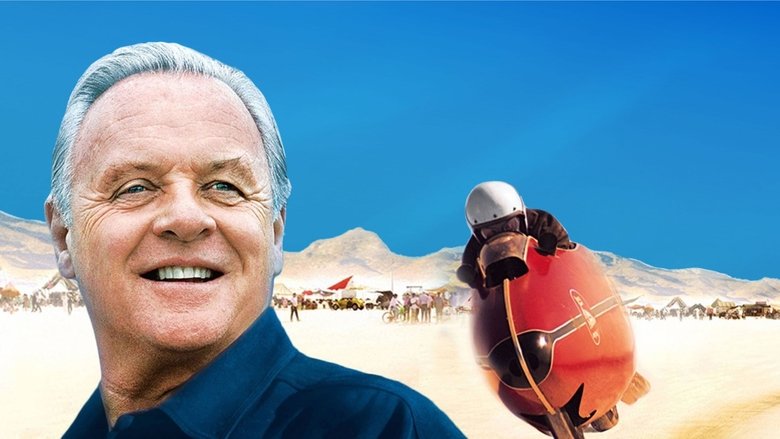
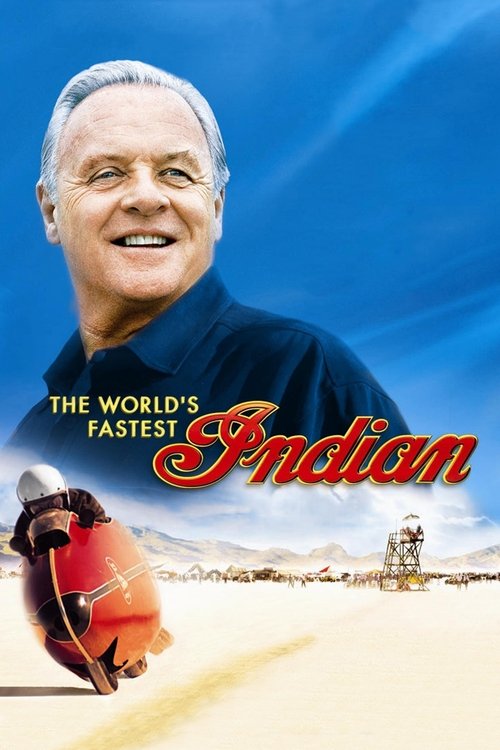
"Based on one hell of a true story."
Director: Roger Donaldson
Cast: Anthony Hopkins, Walton Goggins, Diane Ladd, Bruce Greenwood, Iain Rea
The World's Fastest Indian — Ending Explained
⚠️ Spoiler Analysis
Alternative Interpretations
While primarily an inspirational sports drama, the film can be interpreted as a spiritual allegory. Burt is a pilgrim traveling to a "sacred" land (the Salt Flats), facing trials (financial, mechanical, bureaucratic) and temptations (Ada, the easy life) along the way. His "God of Speed" is a literal deity he worships through the ritual of mechanics. Alternatively, the ending can be read with a touch of melancholy: Burt achieves his dream, but the film implies he has "completed" his life's purpose, leaving nothing else for him but the inevitable decline he fought so hard to outrun—making the record his final, defiant act against mortality.
Explore More About This Movie
Dive deeper into specific aspects of the movie with our detailed analysis pages