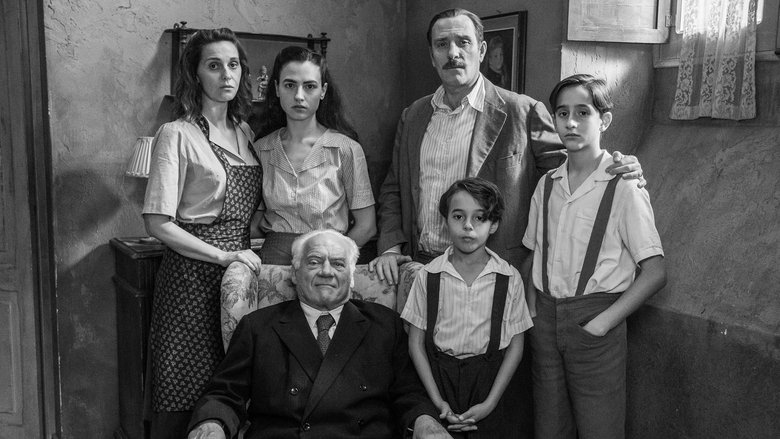

The central twist of "There's Still Tomorrow" lies in the true nature of the mysterious letter Delia receives. Throughout the film, her husband Ivano, her daughter Marcella, and the audience are led to believe it is a love letter from Nino, her former flame who has asked her to run away with him to the north. Delia's secretive planning, her saving of money, and her determined air all seem to point towards an impending elopement.
The climax reveals the misdirection. The letter is, in fact, her official voter registration card for the June 2, 1946, referendum—the first time women in Italy could vote. Her grand plan was never to escape with a man, but to escape to the ballot box. When Ivano finds the card and pursues her, he believes he is stopping an affair. He finds her in line at the polling station, surrounded by other women. His authority evaporates in this public, civic space. Marcella, who also followed, understands her mother's true goal and hands her the card Ivano had taken. Delia's act of voting is her revolution. This reveal re-contextualizes her struggle: her fight was not for a new romance, but for a new future for her daughter, built on the foundation of civic and political rights. Another key plot point is how Delia saves Marcella from a doomed marriage. Realizing her daughter's fiancé, Giulio, is just as controlling as Ivano, Delia enlists the help of an American soldier, William, to blow up Giulio's family's bar. With their wealth gone, Ivano breaks off the engagement, destroying Marcella's dreams but saving her from a life of abuse.