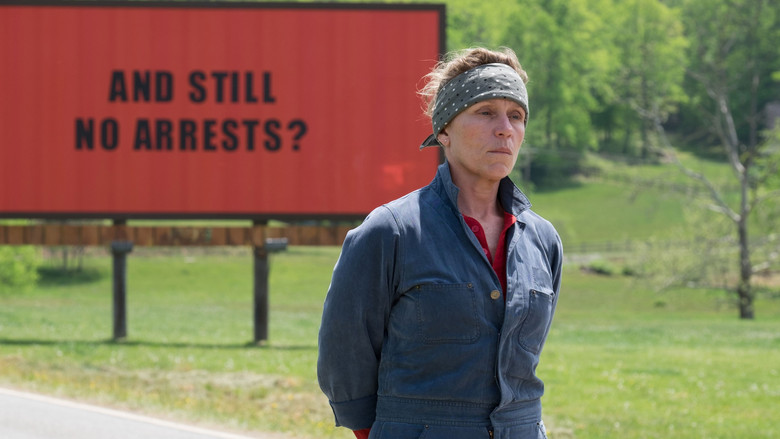
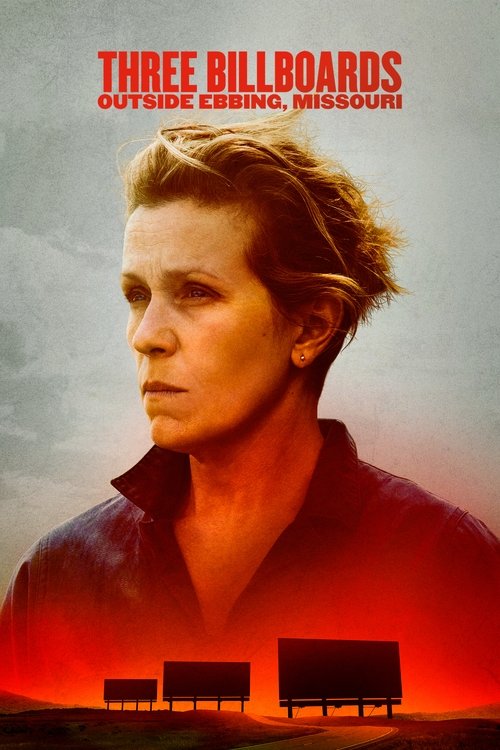
The central plot of "Three Billboards" deliberately subverts expectations of the crime genre by never revealing the identity of Angela Hayes's killer. The man Dixon overhears in the bar, who seems to be the prime suspect, is conclusively proven innocent through DNA evidence, as he was on military duty overseas at the time of the murder. This lack of resolution is the film's main point: the story is not about solving a crime but about how characters cope with unresolved grief.
A key twist is the suicide of Chief Willoughby. Initially, the audience, like the town, is led to believe his death may be linked to the pressure from Mildred's billboards. However, his posthumous letters reveal he took his own life to spare his family the pain of watching him die slowly from pancreatic cancer, and he explicitly tells Mildred she was not a factor. In a final act of empathy, he secretly pays to keep her billboards up for another month. Another significant reveal is that the person who burned the billboards was not the police, as Mildred suspected, but her abusive ex-husband, Charlie.
The film's ending sees the two most antagonistic characters, Mildred and Dixon, forming an unlikely and uneasy alliance. Mildred confesses to Dixon that she was the one who firebombed the police station, and Dixon admits he already knew. They decide to drive to Idaho to hunt down the man from the bar, not because he killed Angela, but because he is an unpunished rapist. Their final dialogue reveals their uncertainty about whether they will kill him, concluding, "We can decide on the way." This ambiguous ending signifies that they have moved past their personal feud, finding a shared purpose in their anger, but whether this will lead to redemption or more violence is left entirely open.