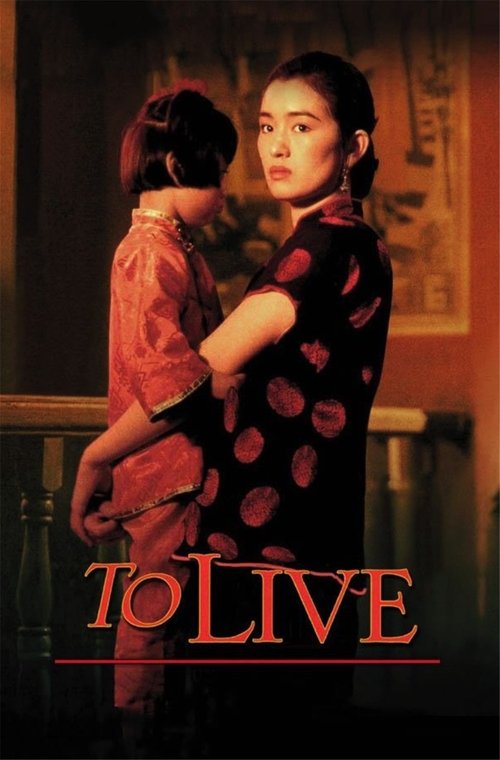
活着
To Live - Symbolism & Philosophy
Symbols & Motifs
Shadow Puppets
The shadow puppets are a multi-layered symbol in the film. Initially, they represent a traditional art form and a means for Fugui to make a living after his downfall. More deeply, they symbolize the powerlessness of individuals in the face of larger historical forces; the characters, like the puppets, are manipulated by unseen hands. The puppets are also a means of survival for Fugui, as his performances for both the Nationalist and Communist armies save his life. Ultimately, the chest for the puppets becomes a home for the new chicks at the end, symbolizing hope and the continuation of life.
Fugui is given the puppets by Long'er after losing his house. He uses them to entertain soldiers during the civil war. During the Cultural Revolution, he is advised to burn them as they represent old culture, but he manages to save the chest. In the final scene, the chest is used to house the chicks, signifying a transformation from a tool of the past to a vessel for the future.
Food (Noodles, Dumplings, Buns)
Food in "To Live" often appears in moments of both comfort and tragedy, representing the basic necessities of life and the fragility of existence. Dumplings are a recurring symbol of family and tradition, which Jiazhen offers to her deceased son. The seven steamed buns that lead to a doctor being unable to save Fengxia represent the absurd and tragic consequences of the political turmoil of the Cultural Revolution.
Youqing spills a bowl of noodles with chili on another child to defend his sister. Jiazhen brings dumplings to Youqing's grave. Professor Wang, the only qualified doctor available to help Fengxia during childbirth, is imprisoned and starves. When he is finally given buns to eat, he consumes them so quickly with water that he is unable to help, leading to Fengxia's death.
The Family Home
The loss of the grand family home at the beginning of the film symbolizes the end of an era and the family's fall from the landlord class. This loss, however, ironically saves Fugui from being executed by the Communists. The humble dwelling they subsequently live in represents their new reality and becomes the enduring center of their family life, a place of both suffering and love.
Fugui gambles away his family's mansion to Long'er at the start of the film. This event triggers the family's long journey of hardship. Later, they find a simple, small home which they occupy for the rest of the film.
Philosophical Questions
What is the meaning of life in the face of relentless suffering?
The film explores this question by stripping its characters of wealth, status, and even their children. Fugui and Jiazhen are left with only the bare essentials of life. The film suggests that meaning is not found in grand achievements or ideologies, but in the simple act of enduring, in the love between family members, and in the hope for a better future for the next generation. The title itself, "To Live," becomes the profound and ultimate answer.
To what extent are our lives determined by fate versus personal choices?
Fugui's life is initially shaped by his poor choices (gambling), but this very choice ironically saves him from a worse fate. Subsequently, his life is largely dictated by the unpredictable whims of political history, forces completely beyond his control. The film seems to suggest that while personal choices have consequences, individuals are often like puppets (a key symbol in the film) in the hands of larger, impersonal forces of fate and history.
How does political ideology impact individual humanity?
"To Live" examines how grand political ideologies, when taken to extremes, can devalue individual human lives. The deaths of Youqing and Fengxia are not malicious acts but are the results of a system where political fervor and dogma override common sense and basic human needs. The film champions the personal, the familial, and the humane over the abstract and often cruel demands of political movements.
Core Meaning
The core meaning of "To Live" revolves around the profound resilience of the human spirit in the face of immense suffering and historical turmoil. Director Zhang Yimou sought to portray the lives of ordinary Chinese people and their capacity to endure, find hope, and maintain their humanity amidst the political campaigns that shaped 20th-century China. The film suggests that the ultimate meaning of life is found not in wealth or political ideology, but in the simple, tenacious act of living and the bonds of family. It's a quiet celebration of survival and an intimate look at how historical events impact the lives of everyday individuals, often with tragic irony. The film also serves as a subtle critique of the political extremism and fanaticism that caused so much suffering, emphasizing personal experience over grand political narratives.