東京リベンジャーズ
"I'm not gonna let you die."
Tokyo Revengers - Symbolism & Philosophy
Symbols & Motifs
The Manji (Swastika)
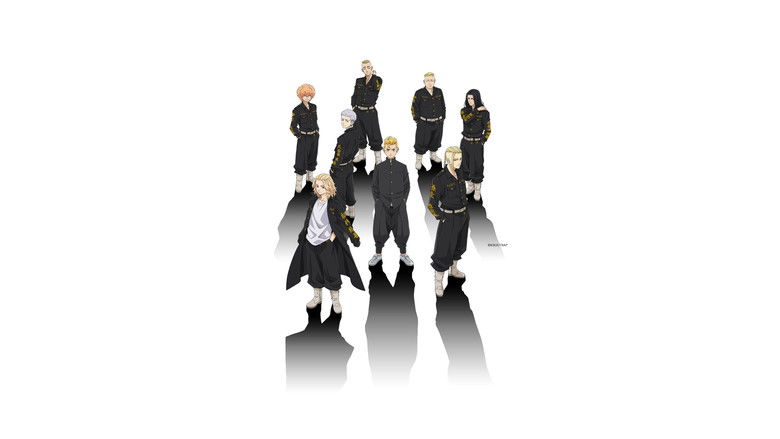
Representing eternity and rebirth in Japanese culture, it serves as the emblem of the Tokyo Manji Gang.
It is used on gang uniforms (tokko-fuku) and flags. While often censored or controversial in Western releases, in the series it symbolizes the original "golden era" of friendship that Takemichi tries to preserve.
Motorbikes (The CB250T and Zephyr 400)
Motorbikes symbolize freedom, brotherhood, and the transition to adulthood.
The specific models ridden by Mikey and Draken represent their legacy and the bond between the founding members. A recurring motif involves the maintenance of these bikes, signifying the work required to keep their relationships intact.
Takemichi’s Tears
Symbolizes active empathy and the rejection of apathetic adulthood.
Unlike other characters who use fists to express pain, Takemichi’s crying is often the catalyst for shifting the resolve of the gang members around him, earning him the title "Crybaby Hero."
The Handshake
The literal trigger for change and the manifestation of trust.
The time-leap power only functions when Takemichi and Naoto share a powerful desire to change the future, making their physical connection a symbol of their shared destiny.
Philosophical Questions
Can true redemption exist in a deterministic universe?
The series explores this by showing characters who are 'fated' to be evil (like Kisaki) or destined for tragedy (like Mikey). Takemichi’s presence acts as an anomaly that challenges whether one can actually escape their nature.
Is the pursuit of a 'perfect' future worth the moral cost of the present?
As Takemichi changes the timeline, he often leaves behind broken worlds and suffering versions of his friends. The show asks if 'fixing' the future is an act of love or an act of selfish obsession.
Core Meaning
At its heart, Tokyo Revengers is a meditation on the power of relentless empathy and the rejection of fatalism. The series suggests that while strength is often measured by physical dominance in the delinquent world, true power resides in the refusal to give up on people, even when they have lost themselves to darkness. Through Takemichi's "Crybaby Hero" journey, the creators emphasize that change begins not with a supernatural ability to travel through time, but with the individual's decision to stop running away from their own failures and the pain of others.