내일
"Finding a reason to live tomorrow, that's what we do."
Tomorrow - Symbolism & Philosophy
Symbols & Motifs
Red Thread of Fate
Rooted in East Asian folklore, the red thread symbolizes a destined, unbreakable connection between two people, typically romantic soulmates. In "Tomorrow," this thread represents the fated bond between Goo Ryeon and Park Joong-gil in their past life. The show introduces a unique rule: if a person connected by this thread dies by suicide, the thread is severed, and they are fated never to meet their loved one again in future lives. This adds a layer of cosmic tragedy to Ryeon's past actions.
Goo Ryeon wears a cut red thread around her wrist, a constant, visible reminder of the connection she severed through her own actions in a past life. The concept is explicitly explained in Episode 5. The entire backstory between Ryeon and Joong-gil, revealed in later episodes, revolves around the establishment and subsequent breaking of this fated bond, explaining their antagonistic yet deeply connected relationship in the present.
Goo Ryeon's Pink Hair and Red Eyeshadow
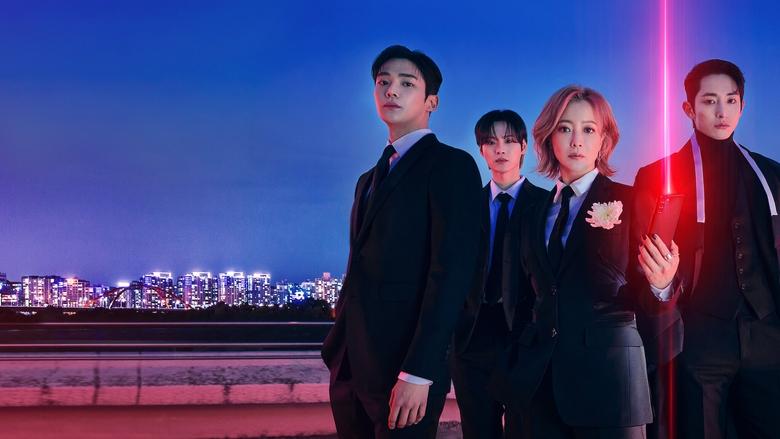
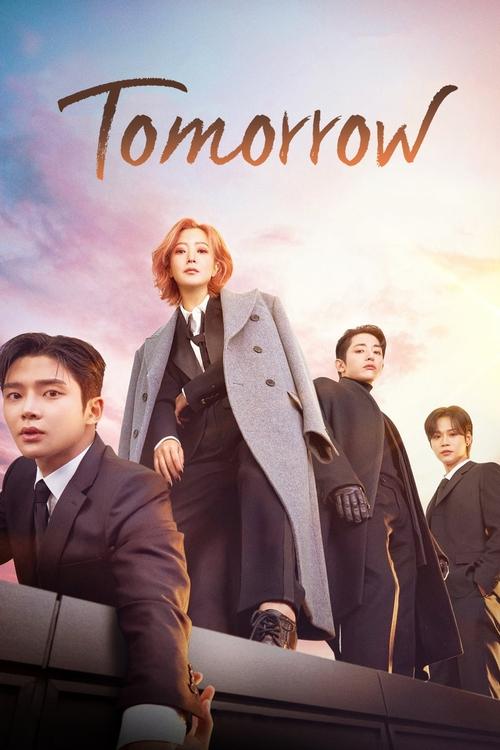
Goo Ryeon's distinct appearance is a direct link to her human past and her relationship with Park Joong-gil. The pink/red eye makeup was first applied by him as a gesture of love. After her traumatic experiences and subsequent death, the pink hair and red makeup become her signature look as a grim reaper. It symbolizes that she carries the memory of that love and loss with her, turning a symbol of affection into a part of her hardened, intimidating persona. It's a visual representation of her inability to let go of her past.
This look is consistent throughout the series. Flashbacks in episodes like 10, 13, and 14 reveal the origin of the makeup and the tragic events of her past life with Joong-gil, giving her appearance a profound and sorrowful meaning. Actress Kim Hee-seon intentionally adopted the look to match the original webtoon character's design.
Jumadeung (The Afterlife Corporation)
Jumadeung, the underworld entity, is depicted not as a mystical realm but as a highly structured, modern corporation with various departments (Escort Team, Risk Management, IT, etc.), a CEO (the Jade Emperor), and corporate politics. This symbolizes the bureaucratization of life and death and serves as a satirical take on South Korea's intense corporate culture. Life-and-death matters are handled with paperwork, performance reviews, and inter-departmental rivalries, grounding the fantastical premise in a relatable, mundane reality.
The corporate setting of Jumadeung is established in the first two episodes and remains the central hub for the main characters throughout the series. The tension between Park Joong-gil's Escort Team and Goo Ryeon's Risk Management Team often plays out like a workplace conflict, with the Jade Emperor acting as the ultimate authority figure resolving disputes.
Philosophical Questions
What is the true meaning of 'saving' someone?
The series continuously explores this question. Initially, saving someone seems straightforward: prevent the act of suicide. However, the team learns that true salvation isn't about a last-minute physical intervention. It's about addressing the root cause of despair. The show argues that saving someone means listening without judgment, validating their pain, and showing them they are not alone. Goo Ryeon states their job is to offer comfort and support, not solutions, because individuals are the only ones who can ultimately free themselves. This suggests that 'saving' is the act of empowering someone to find their own reason to live for tomorrow.
Is it a sin to give up on life?
"Tomorrow" presents a nuanced view on this difficult question. The afterlife system of Jemadeung, particularly Park Joong-gil's perspective, initially frames suicide as a grave sin that disrupts cosmic balance and leads to Hell. However, the entire premise of the Risk Management team challenges this rigid dogma. The team's work is an acknowledgment by the Jade Emperor that the reasons for suicide are complex and often rooted in unbearable suffering caused by external factors like bullying or trauma. Goo Ryeon, who has been to Hell for this very act, embodies the argument that it is a choice made from immense pain, not malice. The series ultimately shifts the focus from judgment to empathy, suggesting that the morality of the act is less important than compassion for the suffering that leads to it.
Core Meaning
The core meaning of "Tomorrow" is a powerful assertion that every life has value and that empathy is the most crucial intervention in moments of despair. The series directly confronts the social stigma surrounding mental health and suicide, particularly within the context of South Korea's high suicide rates. It posits that the role of others is not to offer simple solutions but to provide comfort, support, and a listening ear, reminding those in pain that they are not alone. The creators aimed to send a positive message that saving a life can be as simple as offering a few warm, understanding words and that choosing to live for 'tomorrow' is a courageous act. The series champions the idea of breaking the cycle of trauma through compassion and human connection, suggesting that even grim reapers can learn the profound importance of hope.