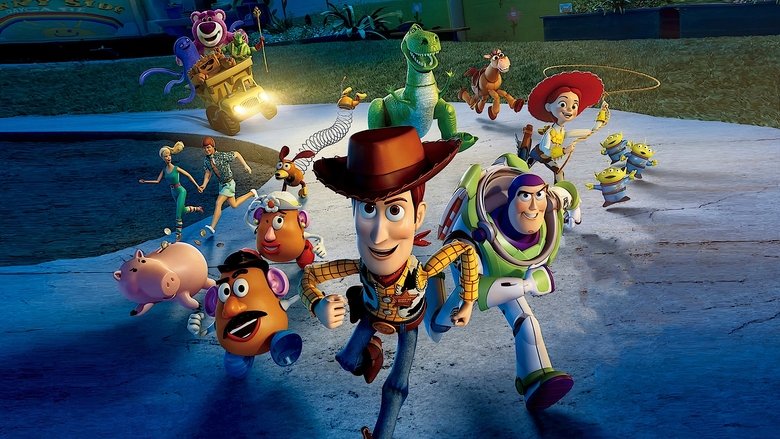
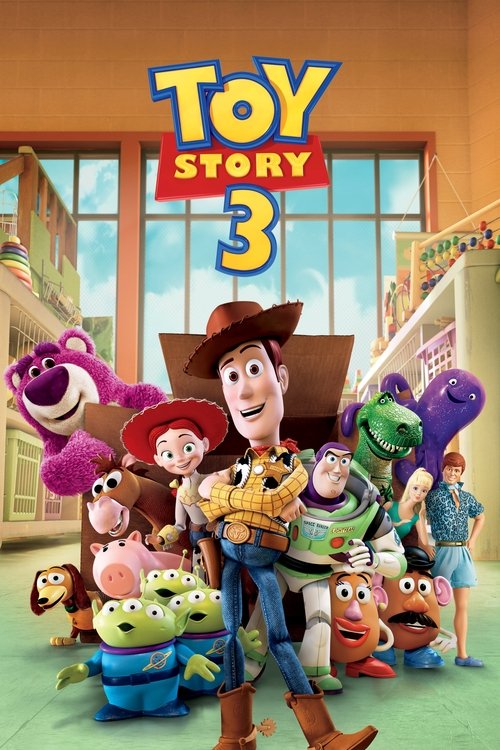
"No toy gets left behind."
Toy Story 3 - Symbolism & Philosophy
Symbols & Motifs
The Incinerator
Symbolizes mortality and the "void." It represents the finality of being discarded and the end of the toys' life cycle.
In the film's climax, the toys find themselves on a conveyor belt heading toward a fiery pit. They stop fighting the inevitable and hold hands, accepting their fate together.
The Claw
Symbolizes a deus ex machina or a divine intervention. For the Aliens, it is a deity; for the rest of the toys, it represents salvation from certain death.
The Little Green Men use a giant industrial claw to rescue the toys from the incinerator, mirroring their introduction in the first film's Pizza Planet claw machine.
Andy's Name on the Boot
Represents identity, belonging, and the mark of being loved. It is the physical manifestation of the toys' purpose.
Woody uses the name on his boot to remind the other toys of their bond with Andy, even when they feel forgotten.
Sunnyside Daycare
Initially presented as a "paradise" or Heaven, it is revealed to be a Purgatory or Inferno, symbolizing a false sense of security and the loss of individual agency.
The daycare is run as a prison camp with assigned roles, surveillance (the monkey), and a strict hierarchy that keeps newcomers in the dangerous "Caterpillar Room."
Philosophical Questions
What gives an object (or a life) value once its primary purpose is gone?
The film explores this through the toys' fear of the trash. It suggests that value is not inherent or static, but can be rediscovered through new relationships and service to others.
Is security more valuable than freedom?
Sunnyside offers the toys the security of "never being outgrown," but at the cost of their freedom and the risk of being abused. The film ultimately sides with freedom, even if it comes with the risk of loss.
Does abandonment justify bitterness?
Through Lotso and Jessie, the film looks at two different reactions to being left behind. Jessie chooses to find a new family, while Lotso chooses to destroy others, suggesting that character is defined by how we handle trauma.
Core Meaning
The core meaning of Toy Story 3 revolves around the necessity of letting go and the evolution of purpose. The director, Lee Unkrich, explores the transition from being needed to being remembered, suggesting that growth requires the courage to move on from the past. The film emphasizes that while relationships change and chapters end, the love and loyalty shared define a meaningful existence, even when faced with the "incinerator" of time.