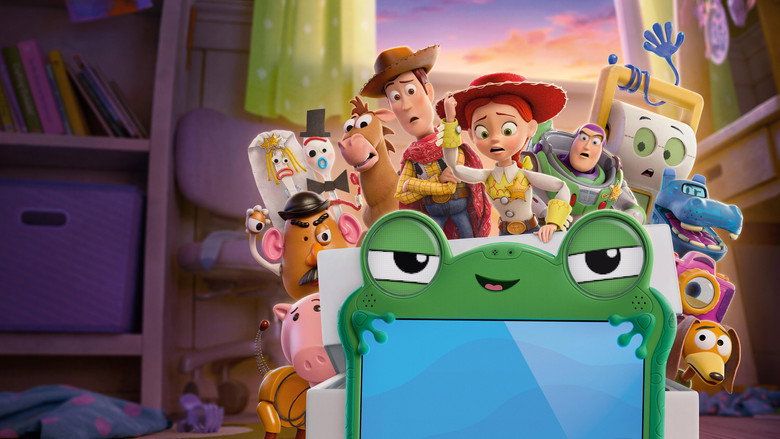
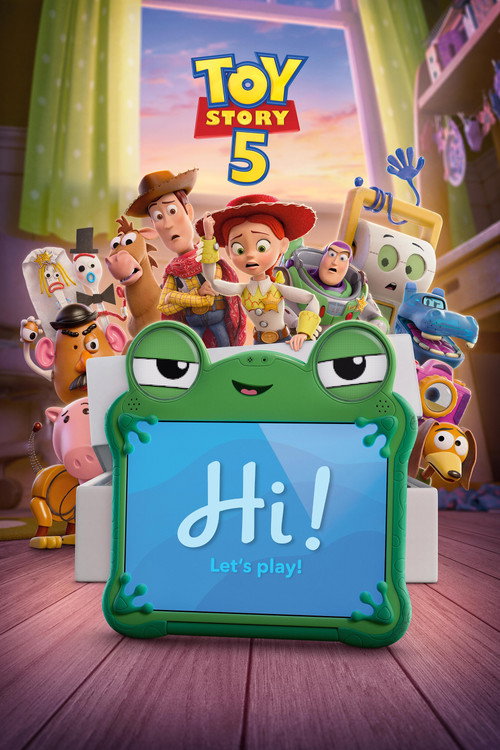
The film's most significant narrative twist is the subversion of the typical 'villain defeat.' It is revealed early on that Woody left his independent life with Bo Peep to return to Bonnie's room, not to take charge, but to pass the torch, setting up Jessie as the true leader of the new era. A major emotional plot turn occurs when Jessie embarks on a quest to find her original owner, Emily, utilizing the faded address written under her chap. In the climax, rather than simply destroying the tablet Lilypad, the toys realize that technology is a permanent fixture. They team up with reformed tech gadgets like Smarty Pants and Atlas to help Bonnie navigate the real world. The resolution emphasizes balance: Bonnie learns to put the screen down to connect with the neighborhood twins and a new friend, Blaze, proving that while technology is inescapable, it cannot replace the tactile warmth of real friendship.
"It's on."
Director: Andrew Stanton
Cast: Tom Hanks, Tim Allen, Joan Cusack, Greta Lee, Conan O'Brien
Toy Story 5 — Ending Explained
⚠️ Spoiler Analysis
Alternative Interpretations
While the surface narrative positions Lilypad and smart devices as the primary antagonists, some critics interpret the film as a broader allegory for the evolution of parenting and the inevitability of aging. In this view, Lilypad isn't malicious, but rather represents the natural progression of growing up; the toys' 'existential agony' is actually the anxiety of empty-nest parents struggling to let go of their child's early years. Another popular reading suggests that the 'Hi-Tech Buzzes' stranded on the island serve as a meta-commentary on algorithmic and AI-generated content—technically advanced and perfectly programmed, but entirely lacking the 'soul' and messy, beautiful reality of traditional art and handmade toys.
Explore More About This Movie
Dive deeper into specific aspects of the movie with our detailed analysis pages