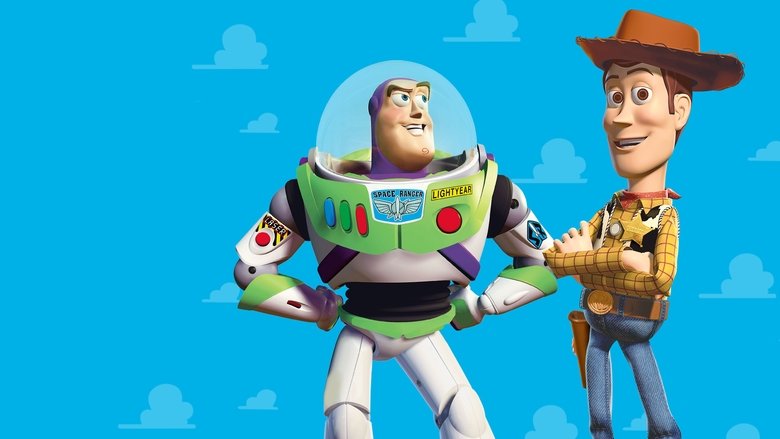
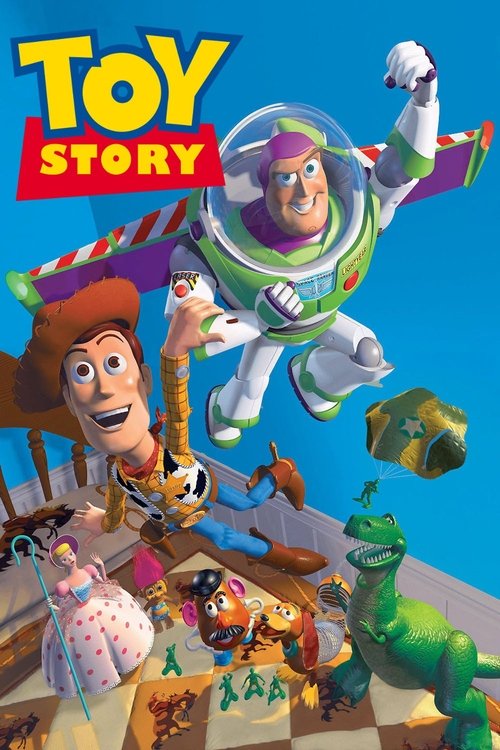
"The adventure takes off when toys come to life!"
Toy Story - Symbolism & Philosophy
Symbols & Motifs
Andy's Signature on Woody's Boot
This symbolizes Woody's identity and belonging. It is a physical mark of his connection to Andy and his role as a cherished toy. When Woody sees the faded signature, it reminds him of his purpose and his history with Andy.
The signature is visible on the bottom of Woody's boot throughout the film. It becomes particularly poignant when Woody is feeling lost or questioning his place, serving as a reminder of who he is and who he belongs to.
Buzz Lightyear's Wings
Initially, Buzz's wings represent his delusion of being a real space ranger and his belief that he can fly. After he accepts that he is a toy, the wings come to symbolize his unique abilities as a toy and his capacity for "falling with style." They represent his transformation from a delusional hero to a self-aware and capable friend.
Buzz frequently attempts to fly using his wings, which leads to his moment of crisis when he realizes he cannot. Later, during the climax of the film, he uses his wings to help him and Woody glide back to the moving truck, showcasing his acceptance of his toy nature and his ingenuity.
The Claw
The claw in the Pizza Planet claw machine is seen by the alien toys as a mystical, god-like entity that chooses which of them will ascend to a better place. It symbolizes a naive belief in a higher power and a yearning for something more, even within the confines of their existence as prizes in a game.
Woody and Buzz encounter the alien toys and their reverence for "The Claw" inside the claw machine at Pizza Planet. Sid wins Buzz and an alien with the claw, taking them back to his house. The aliens' chant of "The claw!" is a memorable and recurring element.
Philosophical Questions
What does it mean to be 'real'?
The film explores this question primarily through Buzz Lightyear, who initially believes he is a real space ranger and not a toy. His existential crisis upon discovering the truth forces him to grapple with his identity and purpose. The film suggests that being 'real' is not about one's origin or material composition, but about the love and joy one brings to others. Woody helps Buzz understand that being a toy for Andy is a meaningful and 'real' existence.
How do we cope with the fear of being replaced or becoming obsolete?
Woody's jealousy and anxiety about being replaced by Buzz is a central theme of the film. The narrative explores the negative emotions that arise from this fear and how it can lead to destructive behavior. Ultimately, the film suggests that the way to overcome this fear is not through competition, but through friendship, acceptance, and finding value in oneself beyond being the 'favorite.' Woody learns that there is enough love to go around and that change can lead to new and meaningful relationships.
Do inanimate objects have a consciousness or inner life?
The entire premise of "Toy Story" is built on the imaginative idea that toys have a secret life of their own. The film anthropomorphizes the toys, giving them complex emotions, desires, and social structures. While not a literal philosophical treatise, the movie playfully engages with the question of what it would be like if the objects we interact with every day had their own thoughts and feelings, encouraging empathy and a different perspective on the world around us.
Core Meaning
At its heart, "Toy Story" is an exploration of friendship, identity, and the fear of obsolescence. The film delves into the emotional lives of toys, portraying their deepest desire to be loved and played with by their owner. The central conflict between Woody and Buzz highlights the anxieties of being replaced and the struggle to accept change. Ultimately, the film's message is one of unity and the realization that one's worth is not determined by being the favorite, but by the bonds of friendship and the joy they bring to others. It champions the idea that everyone has a purpose and a place, even in the face of new and exciting competition.