The film's climax reveals that Seok-woo's own company funded the research that caused the outbreak, adding a layer of tragic irony to his struggle. In the final confrontation on the locomotive, Yon-suk succumbs to the infection but not before biting Seok-woo. Realizing his fate, Seok-woo teaches the pregnant Seong-kyeong how to operate the brakes and says a tearful goodbye to his daughter. As the virus takes over his mind, he smiles, recalling the moment of Su-an's birth—his happiest memory—before throwing himself off the train to prevent attacking them. The survivors, Su-an and Seong-kyeong, reach the blockade at Busan. They walk through a dark tunnel, and soldiers prepare to shoot them, fearing they are zombies. However, Su-an begins to sing 'Aloha 'Oe,' a song she practiced for her father. The soldiers hear the song, realize they are human, and rush to rescue them.
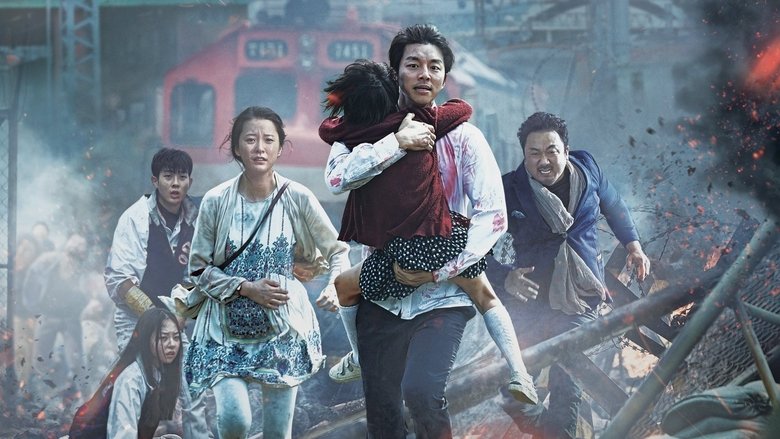
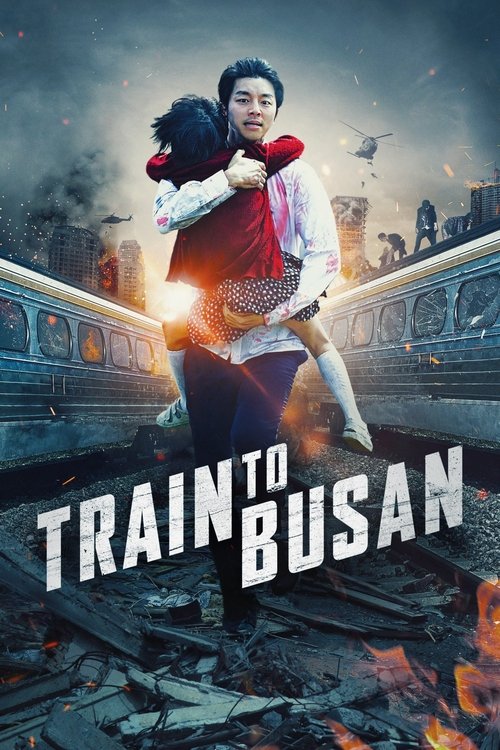
부산행
"Life-or-death survival begins."
Director: Yeon Sang-ho
Cast: Gong Yoo, Kim Su-an, Jung Yu-mi, Don Lee, Choi Woo-shik
Train to Busan — Ending Explained
⚠️ Spoiler Analysis
Alternative Interpretations
The Korean War Allegory: Some critics view the journey as a metaphor for the Korean War. The train represents the fleeing refugees, the zombies represent the mindless violence of the invading forces, and Busan represents the 'Pusan Perimeter,' the last line of defense.
Critique of Neoliberalism: The zombies can be seen not just as monsters, but as the inevitable result of a cutthroat capitalist system (represented by the biotech firm). The 'infection' is the spread of a dog-eat-dog mentality that destroys community, where only those who learn to cooperate (socialism/collectivism) deserve to survive.
Explore More About This Movie
Dive deeper into specific aspects of the movie with our detailed analysis pages