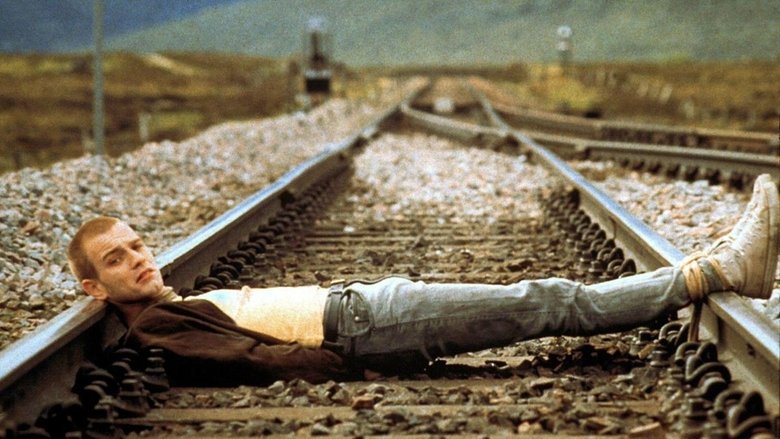
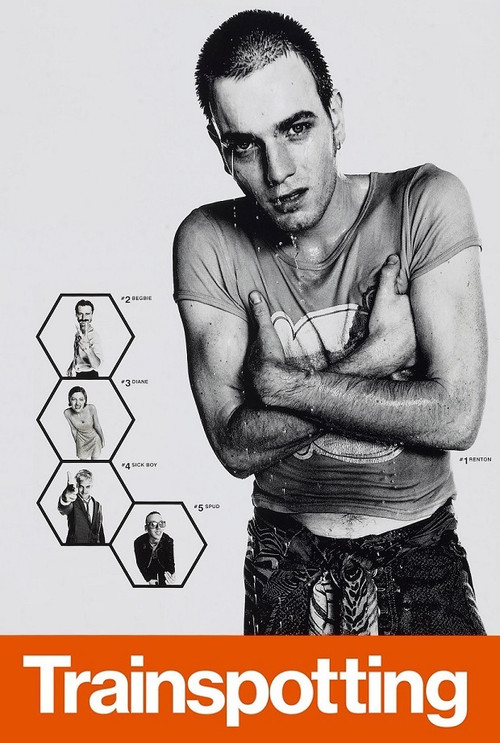
The plot of "Trainspotting" is less about twists and more about a descent and potential escape. The narrative follows Mark Renton's repeated attempts to quit heroin. Key turning points include the horrific death of baby Dawn from neglect, which momentarily shocks the group but fails to permanently alter their course. Another pivotal moment is the decline and death of Tommy. Initially the group's clean-living friend, he is corrupted by their influence after a devastating breakup (caused by Renton stealing a sex tape), succumbs to heroin addiction, contracts HIV, and dies. His death weighs heavily on Renton and underscores the fatal consequences of their lifestyle.
After a near-fatal overdose and a brutal, parent-enforced withdrawal, Renton moves to London for a fresh start. This proves to be a false dawn as his old 'friends'—the violent Begbie and the parasitic Sick Boy—track him down and move in, shattering his new life. The film's climax revolves around a £16,000 heroin deal. After successfully selling the drugs, the four celebrate in a pub. That night, Renton, realizing he is trapped in a destructive cycle with men he doesn't respect or trust, makes a fateful decision. While the others sleep, he quietly steals the entire bag of money. In a moment of compassion, he sees Spud awake, but Spud silently allows him to leave. Renton leaves £4,000 for Spud in a locker but betrays Begbie and Sick Boy completely. The ending reveals this betrayal as his only viable path to salvation. He walks away, not just from the money, but from his entire former identity, choosing to embrace the mundane 'life' he once mocked. The hidden meaning is that his escape requires a morally ambiguous act, suggesting that to survive and join the 'real world,' one must sometimes adopt its ruthless, self-serving principles.