雨月物語
Ugetsu - Symbolism & Philosophy
Symbols & Motifs
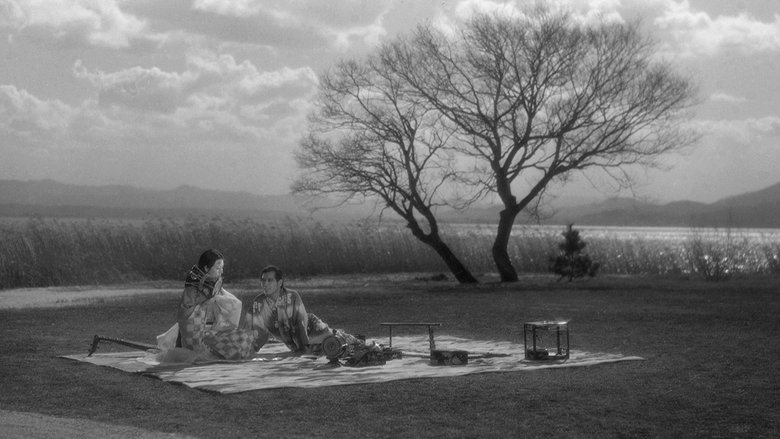
The Foggy Lake
The fog-shrouded lake symbolizes the boundary between the mortal world and the supernatural realm. It represents a space of transition and uncertainty, where the characters' fates are altered and the line between reality and illusion becomes blurred.
This is most evident in the scene where the two families attempt to cross the lake by boat. As they navigate through the thick mist, they encounter a dying boatman who warns them of pirates, foreshadowing the dangers and supernatural encounters that lie ahead. The fog creates a dreamlike, ethereal atmosphere that marks their departure from the familiar and their entry into a world of peril and ghosts.
Genjūrō's Pottery
The pottery represents Genjūrō's ambition, his artistic pride, and ultimately, his connection to the earthly, tangible world. Initially a means of providing for his family, it becomes an obsession that leads him to pursue wealth and recognition at any cost. It is also the object that attracts the ghostly Lady Wakasa, symbolizing how his worldly desires make him vulnerable to supernatural temptation.
Throughout the film, Genjūrō's focus is on his pottery. He risks his life to save his wares from the kiln during a raid. His exceptional craftsmanship is what draws Lady Wakasa to him, leading to his seduction. In the end, his return to the potter's wheel signifies his acceptance of his true place in the world and his renewed connection to his family, even in the afterlife, as he continues his craft with the spiritual presence of his deceased wife.
Lady Wakasa's Kimonos
The luxurious kimonos worn by Lady Wakasa, and the fine fabrics Genjūrō buys for Miyagi, symbolize the allure of wealth, status, and a life of ease. They represent a world of beauty and refinement that stands in stark contrast to the harsh, impoverished reality of the peasant characters. For Genjūrō, these beautiful garments are tangible proof of his success and a temptation that leads him astray from his family.
Genjūrō is initially thrilled by the money he earns, buying expensive fabric for his wife, Miyagi, who values his presence more than material gifts. Later, he is captivated by Lady Wakasa's opulent lifestyle, which is epitomized by her exquisite kimonos. This material seduction is a key part of her ghostly allure, representing the tempting but ultimately empty promises of wealth.
Philosophical Questions
What is the true cost of unchecked ambition?
The film relentlessly explores this question through its two male protagonists. Genjūrō's ambition for wealth leads him to abandon his family, fall prey to a deadly illusion, and ultimately lose his wife. Tōbei's ambition for glory leads to the violation of his wife and his own humiliation. "Ugetsu" argues that the cost is not merely personal failure, but the destruction of family, morality, and the very essence of one's humanity. It forces the viewer to question whether any worldly achievement is worth such a devastating price.
Where does the line between reality and illusion lie?
Mizoguchi deliberately blurs this line throughout the film, particularly in Genjūrō's story. The misty lake, the spectral mansion of Lady Wakasa, and the final ghostly reunion with Miyagi all challenge the characters' and the audience's perception of reality. The film suggests that powerful desires and deep traumas can create their own realities, making the boundary between the physical and spiritual worlds permeable. It poses the question of whether our internal worlds of fantasy, greed, and memory are any less real than the external world, especially when they dictate our actions so completely.
Can one find redemption after causing irreparable harm?
Both Genjūrō and Tōbei return home as humbled, broken men, fully aware of the suffering their actions have caused. Tōbei is reconciled with his wife, and they choose to rebuild their lives together, suggesting a path to redemption through mutual forgiveness and shared responsibility. Genjūrō's redemption is more somber and spiritual. He can never bring his wife back, but he finds a form of peace by dedicating himself to his craft and honoring her memory, guided by her forgiving spirit. The film seems to suggest that while true restitution may be impossible, redemption can be found in accepting one's faults, embracing humility, and living a life of purpose and remembrance.
Core Meaning
"Ugetsu" serves as a powerful allegory about the destructive nature of human ambition, particularly when it eclipses familial duty and compassion. Director Kenji Mizoguchi uses the backdrop of a war-torn nation to explore how the pursuit of wealth and status can lead to moral decay and immense suffering, especially for women who are often the silent victims of men's follies. The film suggests that true happiness and fulfillment are not found in material gain or societal recognition, but in the simple, profound connections of family and home. It is a cautionary tale, warning that straying from one's responsibilities in pursuit of illusory desires can have tragic, irreversible consequences, and that the greatest treasures are often the ones we leave behind.