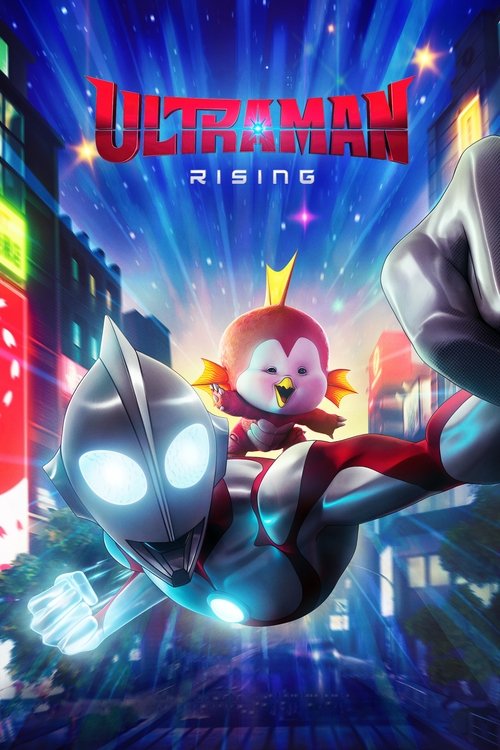
"Big hero. Bigger responsibility."
Ultraman: Rising - Symbolism & Philosophy
Symbols & Motifs
Baseball
Baseball symbolizes Ken's initial, self-centered worldview and his connection to his father. It represents a world of individual achievement, fame, and teamwork on his own terms. It is also the passion he inherited from his family.
Ken is a superstar baseball player for the Tokyo Giants. His struggle to balance his team responsibilities with his Ultraman duties and parenthood is a major conflict. Ultimately, he learns to be a true team player, both on the field and as a hero, and even shares his love of the game with the baby kaiju, Emi.
The Baby Kaiju (Emi)
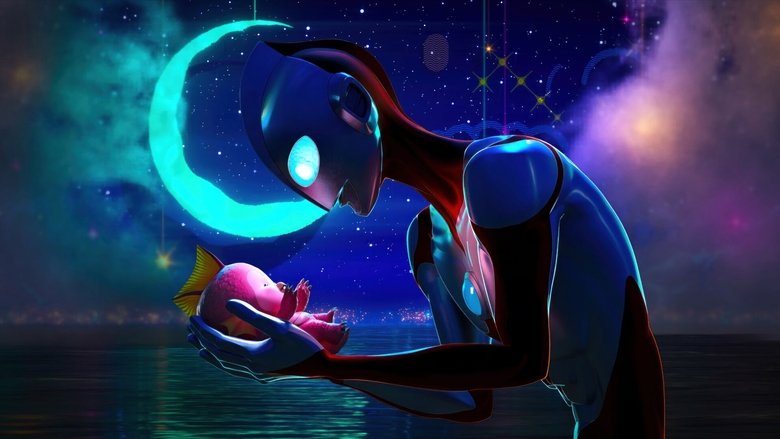
Emi symbolizes vulnerability, innocence, and the transformative power of unconditional love. She is the catalyst for Ken's entire character arc, forcing him to confront his selfishness and learn empathy. She represents the idea that even perceived "monsters" are deserving of care and protection.
After her mother, Gigantron, is killed, the baby kaiju hatches and imprints on Ken. Ken's reluctant journey of caring for her—feeding her, cleaning up her messes, and protecting her from the KDF—is the emotional core of the film.
The Color Timer
A classic element from the Ultraman franchise, the color timer on Ultraman's chest symbolizes limitation, urgency, and the immense physical and emotional strain of being a hero. It serves as a constant reminder that his power is finite and that he must remain focused.
In a flashback, Ken's father explains that Ultraman must maintain focus and balance, or the color timer will blink, and he will revert to his human form. This becomes a crucial plot device during intense battles, heightening the stakes and reflecting Ken's internal state.
Philosophical Questions
What is the true nature of monstrosity?
The film challenges the viewer's perception of who the real monsters are. While the kaiju cause immense destruction, the film often portrays them as creatures acting on instinct, particularly Gigantron, who is simply trying to protect her child. Conversely, the human antagonist, Dr. Onda, driven by grief and fear, becomes monstrous in his singular, destructive purpose. The film suggests that monstrosity is not defined by appearance or power, but by a lack of empathy and an unwillingness to see the humanity—or innocence—in others.
Can personal ambition and selfless duty truly coexist?
Ken Sato's central struggle is the conflict between his life as a celebrity athlete and his inherited duty as Ultraman, which is further complicated by his sudden parenthood. The film explores the idea that a balanced life requires sacrifice. Ken cannot be a self-centered star and a true hero simultaneously. His journey suggests that true fulfillment is not found in achieving personal glory, but in integrating one's duties to others into one's sense of self. The 'balance' his mother spoke of is not a perfect split, but a re-prioritization of what truly matters.
Core Meaning
At its heart, "Ultraman: Rising" is an exploration of fatherhood and the true meaning of strength. Director Shannon Tindle infused his personal experiences as a parent into the narrative, transforming the superhero story into a universal allegory for the challenges and rewards of raising a child. The film posits that true heroism isn't found in monumental feats of power, but in the quiet, selfless acts of care and sacrifice. It deconstructs the archetypal hero by forcing Ken Sato to confront a responsibility that cannot be punched into submission: parenthood. The core message is that finding balance between personal ambition, legacy, and family is the most heroic battle one can fight, suggesting that empathy and understanding are mightier than any superpower.