Umberto D.
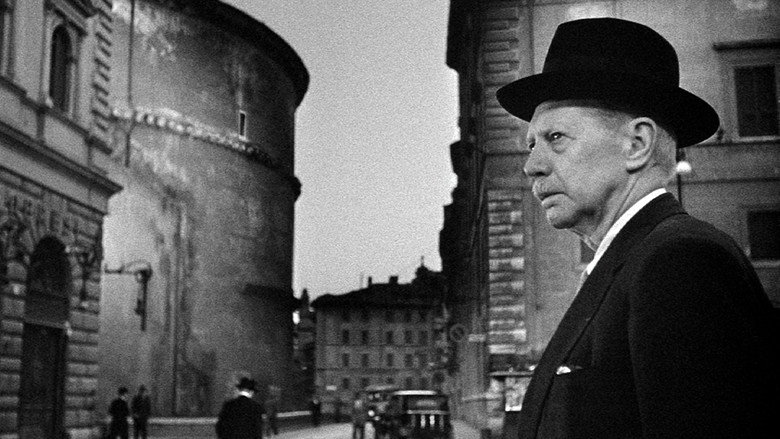
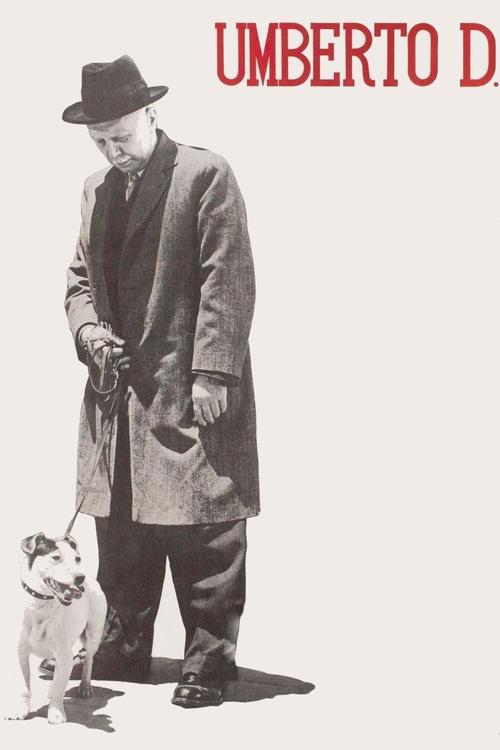
A neorealist hymn of quiet desperation, where the stark poetry of post-war Rome frames an old man's struggle to preserve his dignity, his only companion a small dog against a world of indifference.
Umberto D.
Umberto D.
20 January 1952 Italy 91 min ⭐ 7.9 (718)
Director: Vittorio De Sica
Cast: Carlo Battisti, Napoleone the Dog, Maria Pia Casilio, Lina Gennari, Elena Rea
Drama
The Struggle for Dignity Loneliness and Companionship Societal Indifference Poverty and Survival
Box Office: $71,461

Umberto D. - Ending Explained

⚠️ Spoiler Analysis

The plot of "Umberto D." culminates in a series of desperate acts driven by Umberto's impending eviction. After returning from a brief stay in the hospital (a tactic to get free bed and board), he discovers his landlady has begun renovations, essentially destroying his room. Worse, his dog Flike, left in the care of the maid Maria, has run away. Umberto's frantic search leads him to the city pound, where he reclaims Flike just before the dog would have been euthanized in a harrowing scene.

With no home and no prospects, Umberto sees suicide as his only escape. However, his profound love for Flike creates a final, agonizing dilemma: he cannot bear to leave the dog alone and uncared for. He tries to give Flike away, first to a couple who board dogs and then to a little girl, but he is unable to part with his only companion. This leads to the film's climax at a set of train tracks. Holding Flike tightly, Umberto walks toward an oncoming train, intending to end both their lives. In a moment of terror, Flike struggles and leaps from his arms, running away. Umberto's desperate cries for the dog break him from his suicidal resolve. Flike, initially frightened and distrustful, cautiously returns. The final scene shows the two in a park, Umberto trying to coax Flike to play. They reconcile, and walk off together down a tree-lined path. The ending offers no solution to Umberto's poverty but affirms his choice to live, his bond with Flike having pulled him back from the abyss. The ambiguity lies in whether this is a lasting resolution or merely a delay of the inevitable tragedy.

Alternative Interpretations

While the ending of "Umberto D." is often seen as a small, fragile victory for life, it remains deeply ambiguous and open to interpretation. The final scene shows Umberto playing with Flike in the park, walking away from the camera into a sun-dappled, uncertain future.

A Glimmer of Hope: The most common interpretation is that Umberto has found a reason to live in his bond with Flike. By choosing not to commit suicide, he has achieved a moral victory and affirmed the value of their companionship over the despair of his circumstances. The sunny park and playing children in the background suggest a return to life, however difficult it may be. This reading emphasizes the film's humanist message that love and connection are the ultimate sustenance.

A Temporary Reprieve: A more pessimistic interpretation argues that nothing has fundamentally changed for Umberto. He is still homeless, penniless, and alone in an indifferent world. The joyful moment in the park could be seen as a fleeting reprieve, a temporary distraction from the grim reality that will inevitably return. From this perspective, the ending is not a solution but merely a postponement of his tragedy, making the film's social critique even sharper.

An Existential Choice: Some critics view the ending through an existential lens. Umberto is faced with the ultimate choice between existence and non-existence. By turning away from the train tracks, he is not finding a solution, but rather actively choosing to endure his suffering. The film doesn't offer hope of a better future, but instead affirms the profound, difficult act of choosing to continue living in a meaningless or hostile world, with the simple act of playing with his dog being the one authentic, meaningful action left to him.