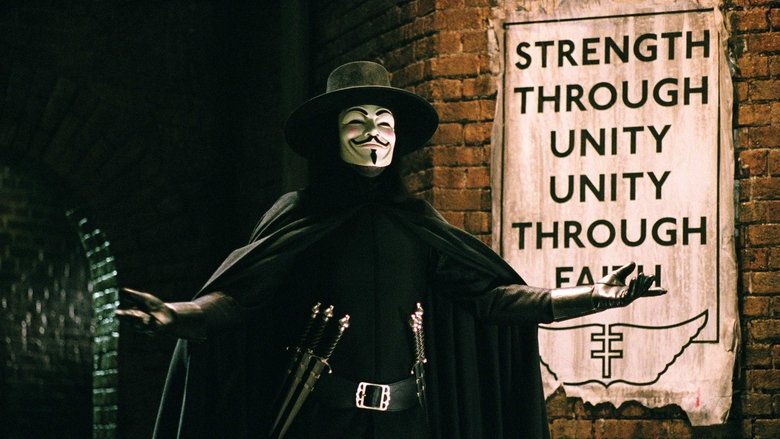
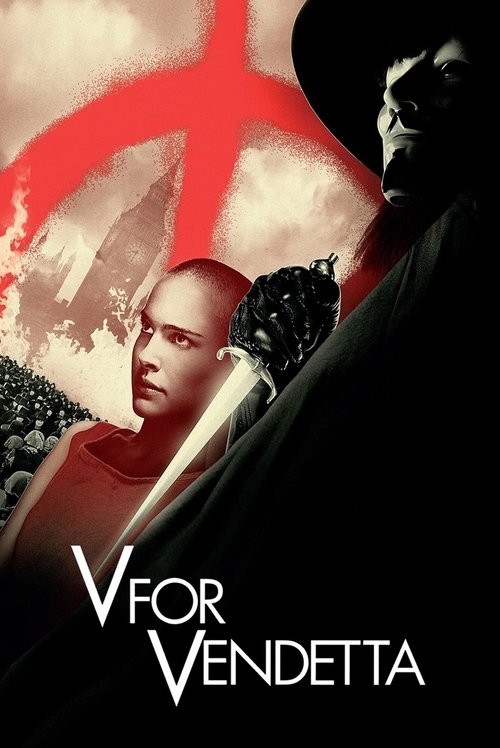
The central twist of the film is the revelation that V orchestrated Evey's imprisonment and torture. After Evey escapes from V's home, she is captured, her head is shaved, and she is subjected to brutal interrogations. During this time, she finds strength in the autobiographical letter of Valerie Page, a former Larkhill prisoner. When Evey finally declares she would rather die than betray V, her cell door is opened, and she discovers she has been in V's Shadow Gallery the whole time. V explains that he put her through this ordeal to help her conquer her fear. This revelation is a turning point for Evey, as she comes to understand the depth of V's convictions and the nature of true freedom.
Another key plot point is the discovery that the Norsefire party was responsible for the St. Mary's virus outbreak that they used to instill fear in the population and seize power. High Chancellor Sutler and his associates then profited from the cure. This revelation, uncovered by Inspector Finch, confirms the utter corruption of the regime and justifies V's quest to destroy it.
The film's ending sees a mortally wounded V dying in Evey's arms after his final confrontation with Creedy. He leaves the decision to destroy Parliament to her, symbolizing the transfer of the revolutionary ideal to the people. Evey chooses to launch the train filled with explosives. As Parliament is destroyed in a spectacular display, Inspector Finch allows it to happen, and the crowds of citizens in Guy Fawkes masks look on, signifying the beginning of a new, uncertain future. The final shot of the crowd, including characters who had been killed earlier, symbolizes that V's actions were for all the victims of the regime and that their spirit lives on in the revolution.