At its core, Villainous is a satirical deconstruction of the classic hero-villain trope. It posits that evil is not just a malevolent force, but a structured, corporate enterprise. The creators explore the idea that morality is a matter of perspective, lampooning the simplistic black-and-white worldview often presented in cartoons. The series suggests that behind every villainous plot is a degree of mundane bureaucracy, workplace dysfunction, and personal insecurity. It carries a message about the nature of power, control, and the idea that even in a world of super-powered beings, the most relatable struggles are often the internal ones and the chaotic relationships we form.
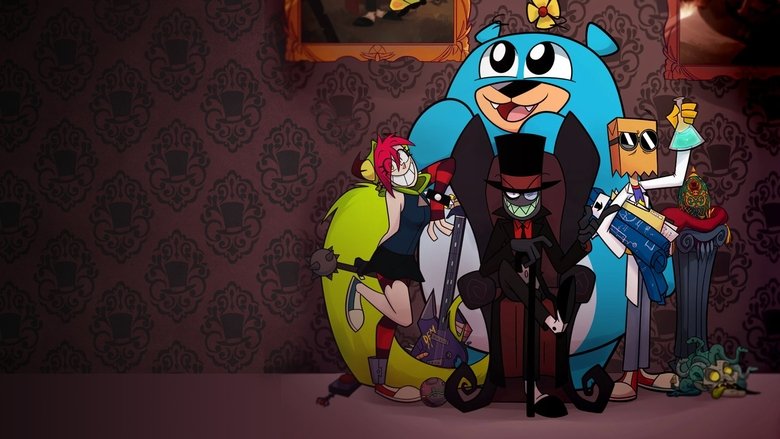
A chaotically charming animated satire where corporate villainy is just another day at the office, rendered in a visual explosion of delightfully dark humor.
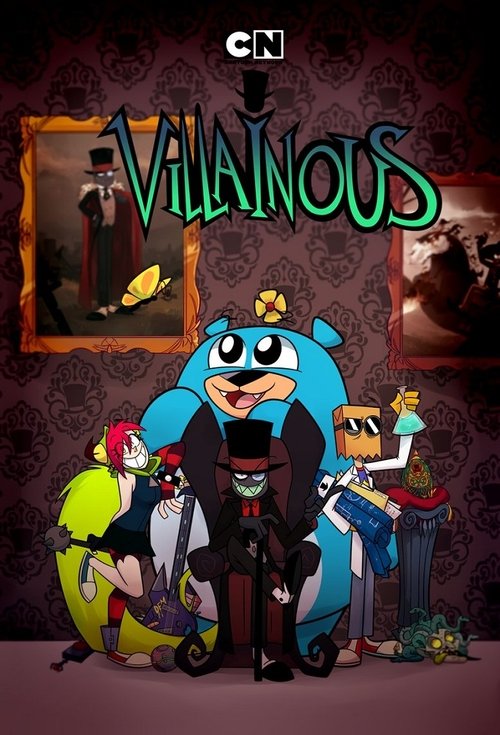
Villainous
Villanos
15 May 2017
— 30 October 2018
Mexico
2 season
18 episode
Ended
8.6
(302)
Cast: Todd Asayer, Melissa Gedeón, Alan Ituriel, Mark Fischbach
Animation
The Corporatization of Evil
Subversion of Tropes
Dysfunctional Found Family
The Nature of Power and Fear
Villainous — Symbolism & Philosophy
Symbols & Motifs
The Top Hat
Meaning:
The top hat is the primary symbol of the Black Hat Organization and its leader. It represents power, authority, and a veneer of old-world class and sophistication masking pure evil. Within the lore, different styles of hats are suggested to signify rank within a larger, mysterious society, with Black Hat's iconic top hat being the highest symbol of malevolent power.
Context:
It is the central element of the organization's logo and is worn by Black Hat in every appearance. The hat itself seems to have its own properties and is an inseparable part of his identity. The symbol is used in all marketing materials and on all inventions sold by the company, stamping Black Hat's brand of evil across the multiverse.
Dr. Flug's Paper Bag
Meaning:
Dr. Flug's paper bag symbolizes his insecurity, anxiety, and the concealment of his true identity and past. It is a literal barrier he puts between himself and a world that terrifies him, especially his boss. Fan theories suggest it hides a physical scar or a past he is desperate to escape from, representing his shame and fractured sense of self.
Context:
Dr. Flug is never seen without the bag. The goggles he wears over it are his only expressive feature, changing shape to convey his emotions. The bag is a constant visual gag but also a key character element, with moments where it's almost removed creating immense tension.
5.0.5.
Meaning:
5.0.5. symbolizes innocence and the failure of evil's intentions. He was created to be a monstrous creature, but his inherent sweetness and kindness represent the unpredictable nature of creation and the idea that good can emerge from the most malevolent of plans. He is the organization's conscience, a stark contrast to everything it stands for.
Context:
As a failed experiment, 5.0.5.'s presence constantly undermines the organization's evil image. He is often seen trying to clean up messes, showing affection, and being a source of comfort to Dr. Flug, acting as the heart of the show amidst the chaos and cruelty.
Philosophical Questions
What is the true nature of Good and Evil?
The series consistently challenges the simple dichotomy of good versus evil. Heroes like Sunblast are shown to be narcissistic and fame-seeking, while the villains, particularly Dr. Flug and 5.0.5, exhibit qualities like loyalty, paternal love, and compassion. The show explores the philosophical idea, expressed by thinkers like Nietzsche, that morality is subjective and that 'heroes' and 'villains' are often labels applied by those in power. Villainy is presented not as a moral failing but as a career path, asking the viewer to consider if 'evil' is just ambition without the constraints of conventional ethics.
Are we defined by our nature or our choices?
This question is most clearly explored through 5.0.5., a being created for pure evil who chooses to be kind and gentle. His very existence contradicts the idea of a fixed, evil nature. Conversely, characters like Miss Heed, who chose to use a villainous invention to become a 'hero', blur the lines. The series seems to suggest that while one's origins or inherent powers might set a path, it is the repeated choices and motivations that ultimately define a person's alignment.
Core Meaning
Explore More About This Movie
Dive deeper into specific aspects of the movie with our detailed analysis pages