
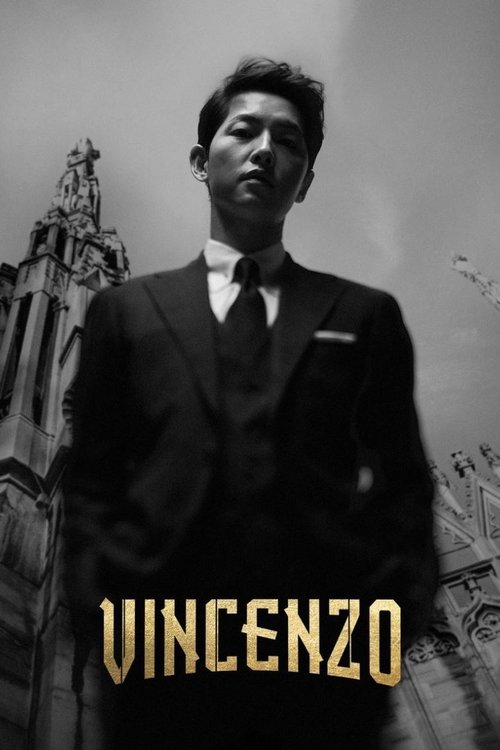
빈센조
"Only evil can punish evil."
Vincenzo - Symbolism & Philosophy
Symbols & Motifs
The Lighter
Vincenzo's gold lighter, engraved with "L'amico è come il sole," symbolizes his connection to his past as a consigliere, his Italian identity, and his method of delivering final judgment. It represents both his refined style and the fiery, destructive justice he dispenses.
It appears throughout the series, often when Vincenzo is contemplating a strategic move or before he exacts revenge. He frequently flicks it open and closed, a tic that signifies his calm before unleashing chaos. He uses it in the final episodes to execute his enemies, making it a literal instrument of his brand of justice.
Inzaghi (The Pigeon)
Initially a nuisance, the pigeon Vincenzo names Inzaghi becomes a symbol of unexpected alliance and loyalty. It represents the idea that help and friendship can come from the most unforeseen places and underscores the theme of the found family that extends even beyond humans.
Inzaghi consistently appears at Vincenzo's apartment window. While Vincenzo complains about the bird, he also cares for it. In a pivotal moment during Episode 14, when a killer attacks Vincenzo in his home, Inzaghi summons its flock to distract the assassin, saving Vincenzo's life and proving its loyalty.
Geumga Plaza
The building itself symbolizes community, resilience, and the hidden value of the seemingly insignificant. On the surface, it's a decrepit building, but it houses a treasure (the gold) and, more importantly, a tight-knit community of people with extraordinary hidden talents. It is the heart of the resistance against Babel.
The entire plot revolves around the plaza. Vincenzo's initial goal is the gold beneath it, but his fight becomes about protecting the building and its tenants from the Babel Group. The plaza is the battleground where most of the series' central conflicts unfold.
The Italian Suit
Vincenzo's impeccably tailored Italian suits symbolize his identity, his professionalism, and his methodical approach to his work. They serve as his armor, creating an image of sophistication and untouchable confidence that often intimidates his opponents before he even speaks.
Vincenzo is almost never seen without a bespoke suit, even in casual situations. His tailor is one of the Geumga Plaza tenants, reinforcing the connection between his past identity and his new community. The suits visually separate him from his more casually dressed adversaries and allies in Korea.
Philosophical Questions
Is it justifiable to use evil methods to fight a greater evil?
This is the central question of the series. Vincenzo's moral code is clear: he is a villain, and he will use villainous tactics (torture, murder, blackmail) to destroy those who harm the innocent. The show consistently places him against antagonists so vile and protected by the law that conventional justice is impossible. By making the audience root for Vincenzo, the series forces a confrontation with the viewer's own moral boundaries. It explores whether the concept of 'justice' is absolute or if it is relative to the evil it seeks to eradicate.
Can a person truly escape their nature?
Vincenzo finds a family and fights for a noble cause, but he never sheds his identity as a mafia consigliere. In the finale, he explicitly states, "I am still a villain... I have no intention of becoming a hero." The series explores whether his core nature has changed or if he has simply found a better target for his inherent violence. It suggests that while one's environment and loyalties can change, one's fundamental nature may be immutable. He doesn't become good; he simply directs his 'evil' towards a 'just' cause.
Core Meaning
The core meaning of "Vincenzo" revolves around the idea that evil must be fought with evil. It explores the failures and limitations of a corrupt legal system, suggesting that sometimes, unconventional and even ruthless methods are necessary to achieve true justice for the powerless. The series serves as a cathartic fantasy where a 'dark hero' steps in to punish villains who are beyond the reach of the law. Ultimately, it's a story about finding a new kind of family in an unexpected place and fighting for a cause greater than oneself, even if the methods are morally ambiguous.