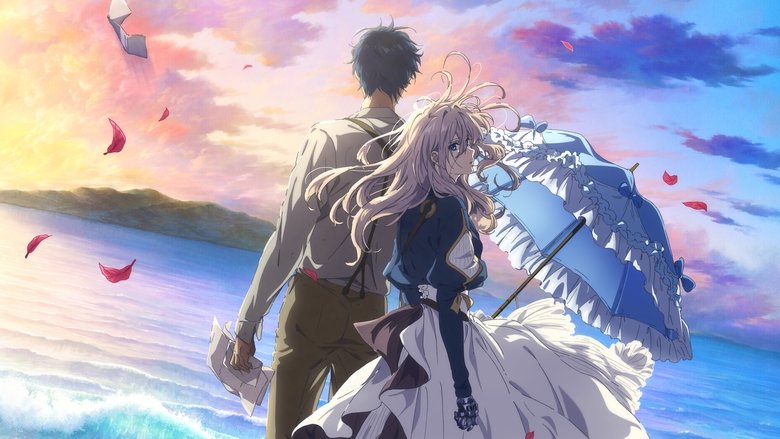
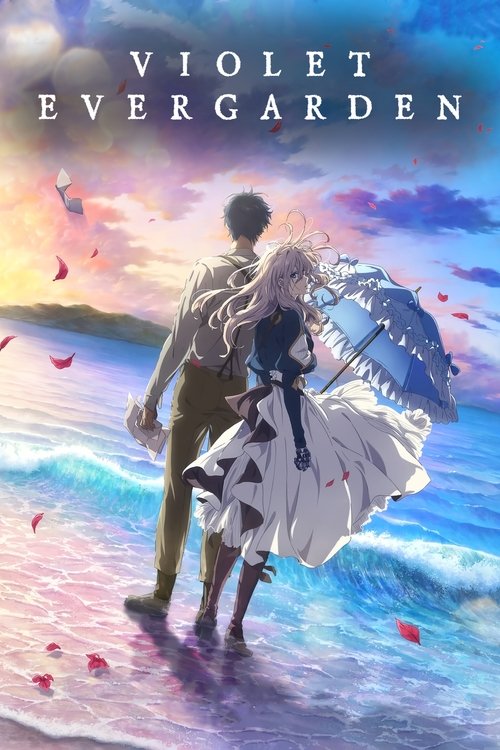
劇場版 ヴァイオレット・エヴァーガーデン
Violet Evergarden: The Movie - Symbolism & Philosophy
Symbols & Motifs
Letters and Typewriters
They symbolize the deliberate and tangible expression of human emotion. A letter is a physical vessel for feelings, capable of crossing time and distance to deliver a message. The typewriter is the tool that gives these feelings form, turning unspoken thoughts into lasting records.
Used throughout the film, from the letters Daisy discovers from the past to the ones Yuris dictates for the future. Violet's own final letter to Gilbert is the ultimate example, containing all the feelings she's learned to understand and finally allowing him to overcome his guilt.
The Emerald Brooch
The brooch, the color of Gilbert's eyes, symbolizes Violet's enduring love and unwavering hope for his return. It is a constant, physical reminder of the person who gave her a name and a future, representing the connection she has cherished even in his absence.
Violet wears the brooch throughout the film, just as she has since receiving it. It's a key part of her design and character, visually representing her core motivation: her bond with Gilbert.
Water (The Sea and Rain)
Water often symbolizes emotion, release, and purification. The sea separates Violet and Gilbert, representing both the distance between them and the depth of their feelings. Rain and tears represent emotional release and cleansing.
Gilbert lives on a remote island, Ekarte, separated from the world by the sea. Violet breaks down in despair on the island's shore. Their final, climactic reunion happens in the ocean, a powerful image of them washing away the past and embracing under the moonlight.
Prosthetic Arms
Violet's silver, mechanical arms are a symbol of her past as a weapon and the trauma she endured, having lost her original arms in the war. However, as she becomes an Auto Memory Doll, they are transformed into tools for connection and healing, symbolizing her journey of redemption. They are the very instruments she uses to type letters that mend hearts, turning a symbol of violence into one of love and empathy.
The arms are a constant visual element. The film shows how she uses these once-destructive appendages with grace and precision to type letters, bridging emotional distances for her clients and, ultimately, for herself.
Philosophical Questions
Can a person's purpose be redefined from destruction to creation?
The film explores this through Violet's very existence. Raised as a weapon, her identity was solely tied to war and destruction. Her prosthetic arms are a permanent reminder of this violent past. However, her journey as an Auto Memory Doll sees her using these same hands to create letters that foster love, understanding, and reconciliation. The film shows that one's past actions, no matter how painful, do not have to define their future. Purpose is not static; it can be actively reshaped through new choices and a commitment to healing both oneself and others.
What is the relationship between technological progress and genuine human connection?
The film sets the impending obsolescence of letter writing against the rise of the telephone. This raises questions about whether new, faster technologies enhance or diminish the quality of our emotional expression. While the film shows nostalgia for the heartfelt, deliberate nature of letters, it also presents technology as a neutral tool. The telephone, in a critical moment, allows a dying boy to convey his final, urgent feelings to a friend. The film suggests that the medium of communication is secondary to the intention and sincerity behind the message, arguing that genuine connection will always find a way to manifest, regardless of the technology used.
Is it more loving to hold on or to let go?
This question is central to the conflict between Violet and Gilbert. Violet's journey is one of holding on—to hope, to memory, and to the belief that Gilbert is alive. Conversely, Gilbert believes the most loving act he can perform is to let her go, freeing her from the painful memories associated with him. The film resolves this by showing that neither extreme is the answer. Gilbert's self-imposed exile only causes more pain, while Violet's hope is what ultimately leads to their reunion. The resolution suggests that true love involves confronting the past together rather than trying to erase it through separation.
Core Meaning
The core meaning of Violet Evergarden: The Movie is a profound exploration of love's endurance and the healing power of communication. Director Taichi Ishidate intended the film to be about "Violet's road"—the culmination of her journey from an emotionless "tool" of war to a person who fully comprehends and can express love. The film posits that expressing heartfelt emotions, whether through traditional letters or new technology, is essential for human connection and provides closure. It's a message about confronting past trauma and guilt to move forward, as both Violet and Gilbert must do. Ultimately, the film is a testament to the idea that even if people are gone, the love they shared and the messages they left behind create a lasting legacy that inspires future generations.