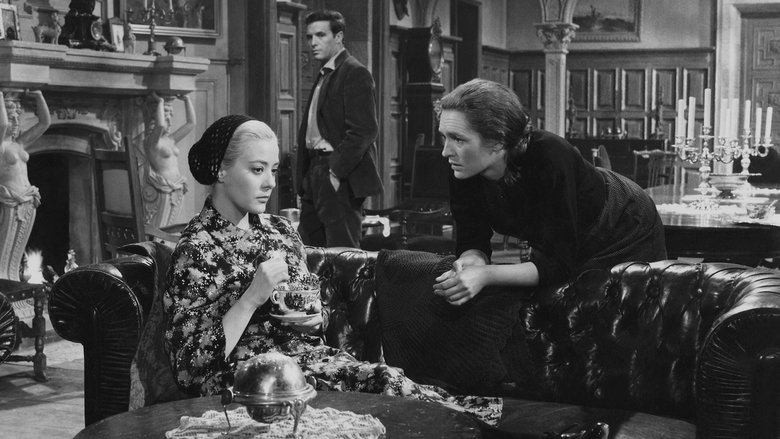
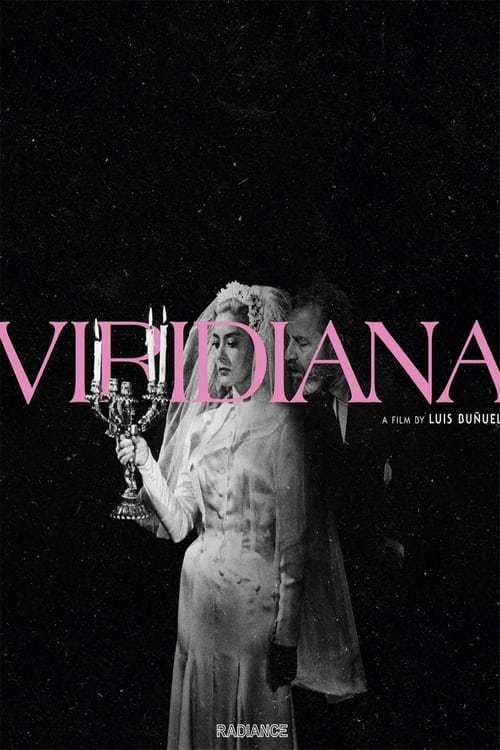
"We've got nothing to hide..."
Viridiana - Symbolism & Philosophy
Symbols & Motifs
The Crown of Thorns and Crucifix
Represent Viridiana's initial piety, religious devotion, and desire for self-inflicted martyrdom.
She brings these religious artifacts from the convent and keeps them in her room. By the end of the film, the crown is seen burning in the fire, symbolizing the total destruction of her religious illusions.
The Wedding Dress
Symbolizes necrophilic obsession, the haunting weight of the past, and the corruption of innocence.
Don Jaime forces Viridiana to wear his deceased wife's white gown, transforming her from a pure nun into an object of his repressed sexual desires and unresolved grief.
The Jump Rope
A multifaceted symbol representing innocence, sexual fetishism, tragic death, and ultimately, base utility.
Initially used playfully by the little girl Rita, it is later used by Don Jaime to hang himself. Later still, in a moment of dark irony, one of the beggars uses the very same rope to hold up his trousers.
The Cow's Udders
Symbolize raw, earthly nature, eroticism, and physical reality clashing with spiritual chastity.
Buñuel juxtaposes a shot of Viridiana crossing herself with a sudden, jarring close-up of a farmhand milking a cow, highlighting the inescapable physical world she tries to ignore.
The Crucifix Pocketknife
A potent representation of the hypocrisy of the Church, blending sacred imagery with underlying violence and danger.
During the film, a beggar reveals a crucifix that suddenly springs open into a switchblade, a visual gag that brutally mocks the weaponization and superficiality of religious symbols.
Philosophical Questions
Is true altruism possible, or is charity inherently self-serving?
The film explores this by showing Viridiana's charity as a product of her own guilt and desire for spiritual elevation, rather than pure empathy. The beggars' ungrateful and destructive reaction suggests that charity cannot cure the structural or moral failings of society.
Can spiritual ideals survive in a material world governed by survival and instinct?
Through the contrasting characters of the pious Viridiana and the pragmatic Jorge, the film demonstrates how lofty spiritual ideals inevitably crumble when confronted with the base realities of human greed, lust, and survival.
Does guilt act as a moral compass or a destructive force?
Don Jaime's guilt drives him to suicide, while Viridiana's guilt pushes her into a naive and dangerous savior complex. The film posits that guilt, rather than leading to redemption, often results in destructive, irrational behavior.
Core Meaning
Buñuel aims to critique the hypocrisy and futility of pious, idealistic charity when disconnected from the pragmatic realities of human nature. By dismantling Viridiana's naive spiritual ambitions, the film suggests that rigid religious doctrines and Catholic self-righteousness are incompatible with the innate greed, lust, and survival instincts of humanity. Ultimately, the director communicates that human nature cannot be saved or suppressed by imposed morality, and that true liberation only comes from accepting the world's inherent imperfections and one's own earthly desires.