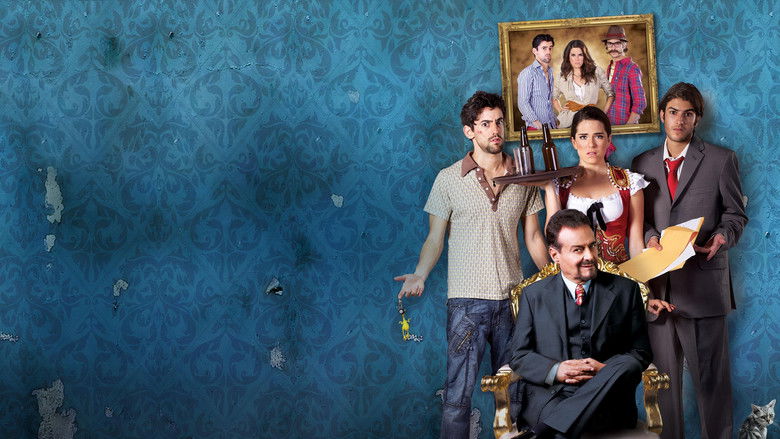
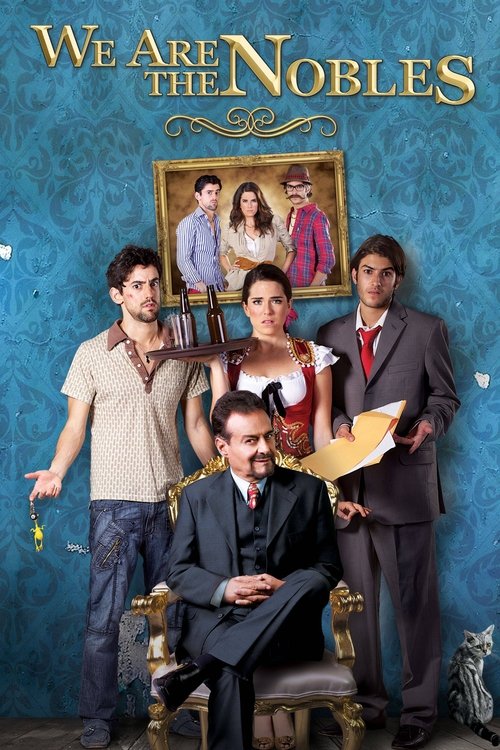
Nosotros los nobles
We Are the Nobles - Symbolism & Philosophy
Symbols & Motifs
The Grandfather's Dilapidated House
The rundown house symbolizes the family's forgotten roots and the solid, humble foundation upon which their fortune was originally built. It represents a return to basics and the potential for renewal. Its disrepair mirrors the family's own broken state.
After Germán fakes the bankruptcy, the family is forced to move into this house. Initially, they are appalled by its condition. However, as they work and begin to fix it up, the house transforms alongside them. By the end, the restored house symbolizes the rebuilt, stronger, and more authentic family unit.
The Public Bus (Pesero)
The pesero, or public minibus, that Javi learns to drive symbolizes his immersion into the world of the common citizen. It's a direct link to the working class (la prole) and a vehicle for his personal transformation. It represents a departure from the luxury SUVs and black cards of his past.
Javi gets a job driving a public bus with the help of Lucho. His initial attempts are clumsy and comical, highlighting his ignorance of everyday life. However, he eventually takes pride in his work, even starting his own bus repair business, showing how he has embraced this symbol of the working class as his own.
The Stray Cat
The stray cat that appears in the old house symbolizes the siblings' evolving capacity for empathy and kindness. Initially an object of disgust, the cat comes to represent those in need who were previously invisible to the Nobles.
When the family first moves into the dilapidated house, Bárbara is horrified by the stray cat. She shuns it as a symbol of the poverty she now faces. As she grows through her humbling experiences at work and in love, she begins to care for the cat, feeding and petting it. Her eventual acceptance and affection for the animal mirror her own character development from selfish to compassionate.
Philosophical Questions
Is deception justifiable if it leads to moral improvement?
The entire plot is built on Germán Noble's elaborate lie. The film asks whether his manipulative scheme is an acceptable 'tough love' approach to save his children from their own vapid existences. While the outcome is positive—the siblings mature and become better people—the foundation is one of deceit. The children's feelings of anger and betrayal upon discovering the truth are valid, forcing the audience to weigh the morality of the means against the virtue of the ends.
What is the relationship between wealth, character, and happiness?
"We Are the Nobles" directly challenges the notion that wealth equates to a good life. It portrays the Noble siblings as miserable and directionless despite their immense privilege. The film argues that character, resilience, and genuine relationships—all things they discover only after losing their money—are the true sources of happiness and fulfillment. It explores whether wealth is inherently corrupting or if it simply magnifies a lack of parental guidance and personal discipline.
Can the gap between social classes ever be truly bridged?
The film humorously explores the massive cultural and experiential gap between Mexico's rich and poor. Through the Nobles' journey, it suggests that empathy and understanding are possible once prejudices are stripped away by shared experience. Barbie's genuine romance with Lucho serves as a primary example. However, the film ends with the family's wealth restored, leaving open the question of whether their newfound humility will persist or if the fundamental divides of class will inevitably reassert themselves.
Core Meaning
The core meaning of "We Are the Nobles" revolves around the idea that true value and character are forged through hard work, empathy, and genuine human connection, rather than inherited wealth or social status. Director Gary Alazraki uses comedy to critique the superficiality and disconnection of Mexico's elite class, suggesting that a life of unearned privilege leads to a hollow existence. The film's message is that by stripping away material possessions, individuals can discover their inner worth, appreciate the dignity of labor, and rebuild broken family relationships. It's a call for humility and a recognition that personal growth is more valuable than any fortune. Ultimately, the film argues that the father, Germán, also has a lesson to learn: his own obsession with work created the very children he despairs over, and he must learn to be a father rather than just a provider.