天気の子
"A story about the secret of this world that only I and she know."
Weathering with You - Symbolism & Philosophy
Symbols & Motifs
Rain
The rain symbolizes overwhelming struggle, sadness, and the uncontrollable chaos of the world. It mirrors the characters' internal emotional states, such as Hodaka's loneliness upon arriving in Tokyo. It also serves as a literal and metaphorical representation of the climate crisis.
Rain is the dominant visual motif throughout the film, creating a melancholic and oppressive atmosphere in Tokyo. The constant downpour affects every aspect of life in the city, from daily commutes to large-scale events.
Sunshine
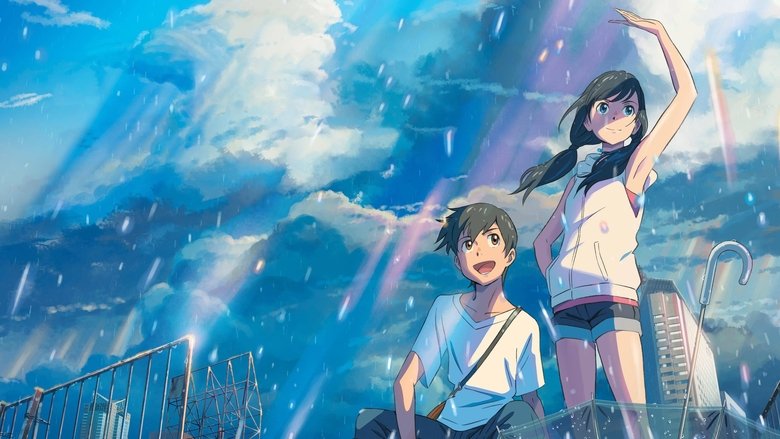
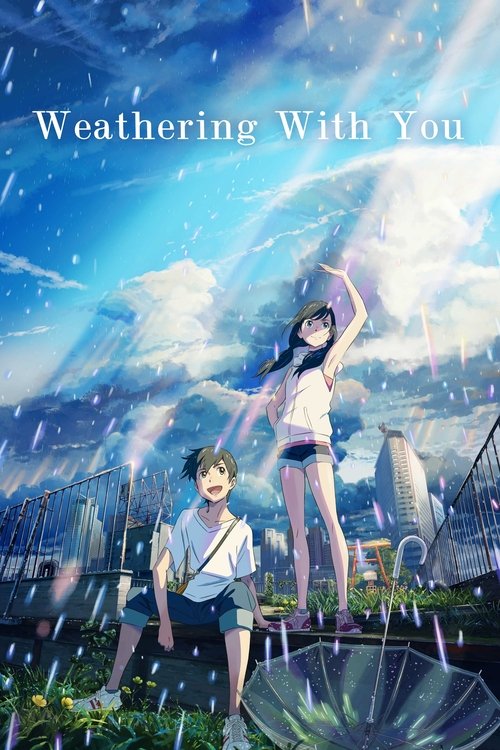
Sunshine represents hope, happiness, connection, and brief moments of peace and clarity amidst the struggle. Hina's ability to bring the sun makes her a symbol of hope for others, though this power comes at a personal cost.
Hina's prayers create pockets of sunlight, which are often tied to emotional high points in the story. These moments are visually vibrant and contrast sharply with the dreary, rain-soaked cityscape. People pay for her service to have sunshine for weddings and festivals, linking happiness directly to the clear sky.
The Rooftop Torii Gate
The Torii gate symbolizes a portal between the human world and the divine or spiritual realm (the "Sky Realm"). It is the source of Hina's power and the gateway Hodaka must cross to save her, representing a point of no return and a connection to ancient, mystical forces.
Located on the roof of an abandoned building, Hina first receives her powers after walking through this shrine gate. It becomes the climactic location where Hodaka travels through it to rescue Hina from being sacrificed to the sky world.
The Handgun
The abandoned Makarov pistol that Hodaka finds symbolizes his desperation, impulsiveness, and the dangerous, adult world he has entered. It represents a dark and reckless power that contrasts with Hina's pure, spiritual ability. His decision to keep and later use it brings the authorities down on them, escalating their problems from mere survival to a criminal matter.
Hodaka finds the gun in a trash can shortly after arriving in Tokyo. He fires it once to scare off some thugs threatening him and Hina, and later brandishes it at the police during his desperate attempt to reach Hina, showing his willingness to defy societal rules for her sake.
Philosophical Questions
Is it morally justifiable to sacrifice one person's life for the well-being of the collective?
The film directly confronts this utilitarian dilemma. The traditional narrative of the 'Weathering Maiden' assumes that the sacrifice is necessary and noble. However, the film, through Hodaka, vehemently rejects this premise. It questions the justice of a system that demands a human sacrifice for balance. By having Hodaka save Hina, the film forces the audience to consider the moral weight of valuing an individual's life and happiness against the comfort and stability of a metropolis, ultimately arguing that love and personal bonds can create their own, equally valid moral framework.
To what extent are we responsible for the consequences of our personal choices on the wider world?
Hodaka's final monologue acknowledges that he and Hina "did change the world." The film explores the ripple effects of their very personal decision. It doesn't absolve Hodaka of the consequences but frames his choice as an accepted reality. The people of Tokyo are shown adapting to the new, watery landscape. This suggests that while our choices have a profound impact, the world is also resilient and adaptable. It raises the question of whether the pursuit of personal happiness is a right, even if it contributes to a collective 'problem,' challenging the viewer to define the limits of individual desire versus social responsibility.
Core Meaning
At its heart, "Weathering with You" is an exploration of individual choice against societal expectation and the overwhelming forces of fate. Director Makoto Shinkai intended to portray the power of choice and the resilience of youth. The film's central message revolves around prioritizing personal happiness and love over a perceived 'greater good,' questioning the morality of sacrificing an individual for the sake of the collective. Hodaka's final decision to save Hina, even if it means plunging Tokyo into eternal rain, is a defiant act of love. It suggests that the world has always been a 'crazy' place, and that finding one's own sunshine in a personal connection is a valid and powerful choice, regardless of the broader consequences. The film encourages viewers to 'weather the storm' within themselves and find strength in human connection.