Weathering with You
天気の子
"A story about the secret of this world that only I and she know."
Overview
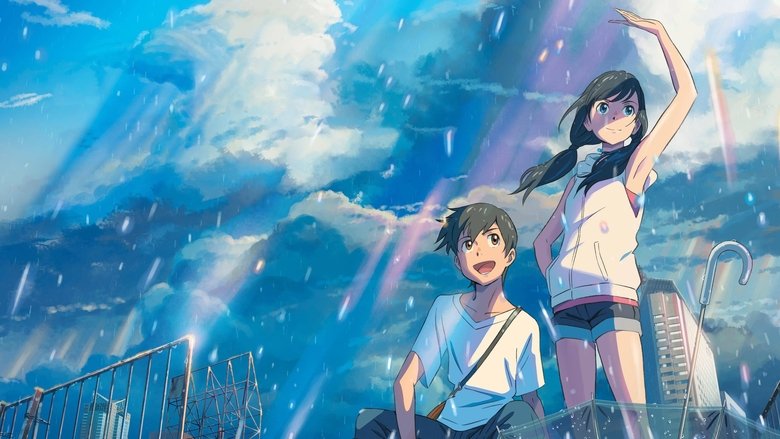
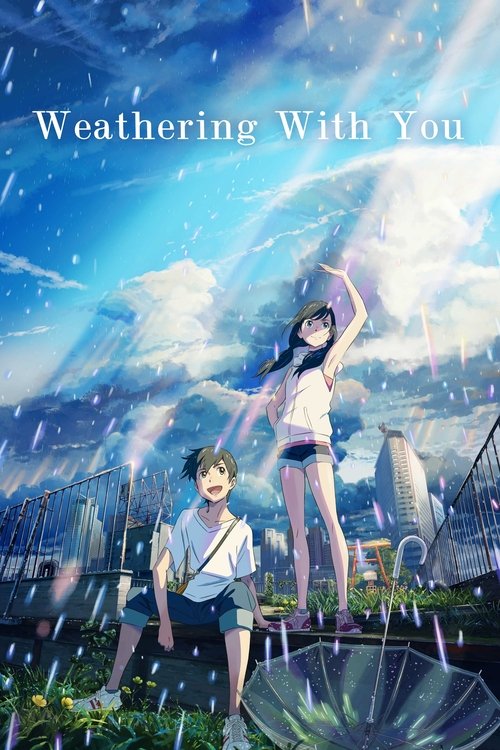
"Weathering with You" follows Hodaka Morishima, a high school student who runs away from his isolated island home to the bustling, perpetually rainy streets of Tokyo. Struggling to make ends meet, he lands a job at a small occult magazine. Soon after, he meets Hina Amano, a bright and resilient orphan who possesses a mysterious and wonderful ability: she can pray to bring out the sun and clear the skies.
Together, they start a business, using Hina's power to bring moments of sunshine to people's lives for special occasions. However, they soon discover that Hina's incredible gift comes at a great personal cost. As the weather in Tokyo grows increasingly chaotic and authorities begin to close in on the two teenagers, Hodaka and Hina must make an impossible choice that will alter their lives, and the world, forever.
Core Meaning
At its heart, "Weathering with You" is an exploration of individual choice against societal expectation and the overwhelming forces of fate. Director Makoto Shinkai intended to portray the power of choice and the resilience of youth. The film's central message revolves around prioritizing personal happiness and love over a perceived 'greater good,' questioning the morality of sacrificing an individual for the sake of the collective. Hodaka's final decision to save Hina, even if it means plunging Tokyo into eternal rain, is a defiant act of love. It suggests that the world has always been a 'crazy' place, and that finding one's own sunshine in a personal connection is a valid and powerful choice, regardless of the broader consequences. The film encourages viewers to 'weather the storm' within themselves and find strength in human connection.
Thematic DNA
Love vs. Sacrifice
The central conflict of the film is the choice between Hina's life and the world's weather. Hina is a 'weather maiden' destined to sacrifice herself to restore balance to the climate. Hodaka, however, rejects this fate, choosing Hina's happiness and life over a sunny Tokyo. His declaration, "I want you more than any blue sky," encapsulates this theme. The film explores whether it is right to demand such a sacrifice from a young person and champions the idea that personal love can be a force powerful enough to defy destiny.
Climate Change and Nature's Indifference
The film uses the ceaseless, unnatural rain as a backdrop and a metaphor for climate change. Shinkai was influenced by the increasing impact of climate change on Japan. However, the film doesn't offer simple solutions. Instead, it portrays nature as a vast, indifferent force that operates on cycles beyond human comprehension. The ending, where Tokyo learns to live with the flooding, suggests an adaptation to a changed world rather than a reversal of it, reflecting on humanity's need to coexist with nature's unpredictable power.
Youth Alienation and Finding Belonging
Both Hodaka and Hina are marginalized youths struggling to survive in a vast, indifferent city. Hodaka is a runaway from a troubled home, and Hina is an orphan caring for her younger brother. Their journey is one of finding a sense of family and belonging with each other and the small group of adults who help them. The film portrays the struggles of adolescence, the feeling of being an outcast, and the profound relief of finding someone who understands and accepts you.
Individual Choice vs. Collective Good
The film poses a significant philosophical question: should one person be sacrificed for the happiness of many? Hina's destiny is to be this sacrifice, but Hodaka's intervention champions the individual's right to live. This challenges utilitarian ethics, which would argue for sacrificing Hina to save Tokyo. The film's controversial ending, where Hodaka chooses Hina and dooms the city to rain, is a powerful statement about the value of a single life and the morality of prioritizing personal bonds over abstract societal benefit.
Character Analysis
Hodaka Morishima
Kotaro Daigo
Motivation
Initially motivated by a desperate need to escape his home and survive in Tokyo, his primary motivation shifts entirely to Hina. He is driven by a profound love and a fierce desire to keep her safe and happy, choosing her life over the fate of the world.
Character Arc
Hodaka begins as a scared, impulsive, and desperate runaway feeling suffocated by his old life. In Tokyo, he slowly finds a sense of purpose and belonging through his job and, more importantly, his relationship with Hina. His arc is defined by his growing resolve to protect Hina, moving from a boy running from his problems to a young man willing to defy the world and its rules for the person he loves, ultimately choosing a future with her regardless of the consequences.
Hina Amano
Nana Mori
Motivation
Her initial motivation is to provide for her brother, Nagi. Later, she is motivated by the happiness her powers bring to others. Ultimately, her core motivation becomes her own desire to live and be with Hodaka, choosing her own life over her sacrificial duty.
Character Arc
Hina starts as a strong, gentle, and self-sufficient girl, shouldering the responsibility of caring for her younger brother after their mother's death. She finds joy in using her 'sunshine girl' power to make others happy but learns it comes with a tragic price. Initially, she accepts her fate to be a sacrifice for the greater good. However, through her bond with Hodaka, she rediscovers her own desire to live for herself and her loved ones, choosing to return to the world with him.
Keisuke Suga
Shun Oguri
Motivation
His primary motivation is to clean up his life so he can be reunited with his young daughter. This makes him risk-averse and pragmatic. However, his underlying compassion and his recognition of Hodaka's pure intentions ultimately motivate him to help the young couple.
Character Arc
Suga is a cynical, middle-aged man running a small publishing company who takes Hodaka in. He appears selfish and detached, keeping Hodaka at arm's length to avoid complications with his own efforts to regain custody of his daughter. He sees a reflection of his own runaway past in Hodaka. His arc involves rediscovering his empathy and courage. Initially willing to turn Hodaka in, he has a change of heart at the climax, moved by Hodaka's determination, and helps him escape the police to save Hina.
Natsumi Suga
Tsubasa Honda
Motivation
Natsumi is motivated by a sense of adventure and a genuine affection for Hodaka and Hina. She is also struggling to find her own place in the adult world, which makes her sympathetic to their plight. Her decision to help them is driven by her belief in their cause and a rebellious spirit.
Character Arc
Natsumi is Keisuke's niece, a college student working part-time at his office. She is energetic, curious, and empathetic. She quickly befriends Hodaka and becomes an ally. Her arc is less about transformation and more about demonstrating her loyalty. Despite the risks, she chooses to help Hodaka and Hina escape, using her wits and her scooter to defy the authorities and support her friends' quest.
Symbols & Motifs
Rain
The rain symbolizes overwhelming struggle, sadness, and the uncontrollable chaos of the world. It mirrors the characters' internal emotional states, such as Hodaka's loneliness upon arriving in Tokyo. It also serves as a literal and metaphorical representation of the climate crisis.
Rain is the dominant visual motif throughout the film, creating a melancholic and oppressive atmosphere in Tokyo. The constant downpour affects every aspect of life in the city, from daily commutes to large-scale events.
Sunshine
Sunshine represents hope, happiness, connection, and brief moments of peace and clarity amidst the struggle. Hina's ability to bring the sun makes her a symbol of hope for others, though this power comes at a personal cost.
Hina's prayers create pockets of sunlight, which are often tied to emotional high points in the story. These moments are visually vibrant and contrast sharply with the dreary, rain-soaked cityscape. People pay for her service to have sunshine for weddings and festivals, linking happiness directly to the clear sky.
The Rooftop Torii Gate
The Torii gate symbolizes a portal between the human world and the divine or spiritual realm (the "Sky Realm"). It is the source of Hina's power and the gateway Hodaka must cross to save her, representing a point of no return and a connection to ancient, mystical forces.
Located on the roof of an abandoned building, Hina first receives her powers after walking through this shrine gate. It becomes the climactic location where Hodaka travels through it to rescue Hina from being sacrificed to the sky world.
The Handgun
The abandoned Makarov pistol that Hodaka finds symbolizes his desperation, impulsiveness, and the dangerous, adult world he has entered. It represents a dark and reckless power that contrasts with Hina's pure, spiritual ability. His decision to keep and later use it brings the authorities down on them, escalating their problems from mere survival to a criminal matter.
Hodaka finds the gun in a trash can shortly after arriving in Tokyo. He fires it once to scare off some thugs threatening him and Hina, and later brandishes it at the police during his desperate attempt to reach Hina, showing his willingness to defy societal rules for her sake.
Memorable Quotes
Who cares if we don't see the sun shine ever again? I want you more than any blue sky. The weather can go crazy.
— Hodaka Morishima
Context:
Hodaka says this to Hina in the spirit world above the clouds as he rescues her from her sacrificial fate. He is convincing her to return with him, knowing that doing so will cause the endless rain to resume, but choosing her life over everything else.
Meaning:
This is the film's defining quote, encapsulating its core theme. It is Hodaka's ultimate rejection of the idea that Hina must be sacrificed for the 'greater good.' He declares that his personal connection with her is more valuable than a perfect world, a radical and deeply romantic statement of defiance against fate and societal expectations.
Dear God, if you exist, please don't take anything more, and don't give anything more.
— Hodaka Morishima
Context:
Hodaka thinks this to himself during a happy, quiet moment in a hotel room with Hina and her brother Nagi, where they are hiding from the police and the storm. They are celebrating their successful business and enjoying a temporary sense of normalcy and family.
Meaning:
This quote reflects a moment of perfect, fleeting happiness and the deep-seated fear of losing it. Having finally found a makeshift family with Hina and Nagi, Hodaka is overwhelmed with contentment and prays not for more good fortune, but for the preservation of what he has, showing his deep appreciation for this fragile moment of peace.
On that day, we did change the world.
— Hodaka Morishima
Context:
This is part of Hodaka's closing narration, three years after the main events. He has returned to a permanently flooded Tokyo and is about to reunite with Hina. He reflects on their journey and the outcome of their decision, concluding that their choice was deliberate and meaningful.
Meaning:
This is Hodaka's final realization at the end of the film. He refutes the idea that the world was always this way and that their actions didn't matter. He takes ownership of his choice, acknowledging that his decision to save Hina had immense, world-altering consequences. It's a statement of acceptance and responsibility for the world he chose to create with her.
Philosophical Questions
Is it morally justifiable to sacrifice one person's life for the well-being of the collective?
The film directly confronts this utilitarian dilemma. The traditional narrative of the 'Weathering Maiden' assumes that the sacrifice is necessary and noble. However, the film, through Hodaka, vehemently rejects this premise. It questions the justice of a system that demands a human sacrifice for balance. By having Hodaka save Hina, the film forces the audience to consider the moral weight of valuing an individual's life and happiness against the comfort and stability of a metropolis, ultimately arguing that love and personal bonds can create their own, equally valid moral framework.
To what extent are we responsible for the consequences of our personal choices on the wider world?
Hodaka's final monologue acknowledges that he and Hina "did change the world." The film explores the ripple effects of their very personal decision. It doesn't absolve Hodaka of the consequences but frames his choice as an accepted reality. The people of Tokyo are shown adapting to the new, watery landscape. This suggests that while our choices have a profound impact, the world is also resilient and adaptable. It raises the question of whether the pursuit of personal happiness is a right, even if it contributes to a collective 'problem,' challenging the viewer to define the limits of individual desire versus social responsibility.
Alternative Interpretations
The film's ending is the primary source of alternative interpretations. One perspective is that Hodaka's choice is a deeply selfish act, dooming millions in Tokyo to a perpetually flooded existence for the sake of one person. This reading criticizes the film for romanticizing a decision with catastrophic consequences.
Another interpretation views the ending not as a climate change allegory, but as a purely metaphorical and personal one. In this light, the 'rain' is the oppressive nature of society and fate, and Hodaka's choice is a defiant cry for individual freedom and the right to prioritize one's own happiness and loved ones above all else. The flooded Tokyo isn't a literal disaster but a changed world that the characters must learn to live in, symbolizing that personal choices create a new reality one must adapt to.
A third view suggests the film critiques societal pressure on younger generations to fix problems created by their predecessors. Hina, as the sacrifice, represents the youth burdened with solving the world's crises. Hodaka's rejection of her sacrifice is a refusal to play by the rules of a broken system, arguing that the young should not have to give up their lives and happiness to pay for the mistakes of the past.
Cultural Impact
Released after the monumental success of "Your Name," "Weathering with You" faced high expectations and became the highest-grossing Japanese film of 2019. The film resonated deeply within Japan, a country historically and culturally intertwined with the weather and highly susceptible to natural disasters. Shinkai's story tapped into contemporary anxieties about climate change, reflecting a society grappling with increasingly erratic weather patterns.
Critically, the film was praised for its breathtaking visual artistry, with Shinkai's photorealistic depiction of a rain-drenched Tokyo receiving acclaim. However, its narrative, particularly the controversial ending, sparked considerable debate. Critics and audiences were divided over Hodaka's choice to save Hina at the cost of flooding Tokyo. Some saw it as a powerful, anti-utilitarian statement on the value of individual love, while others interpreted it as a selfish and immature decision, or even a reflection of Japanese youth's perceived apathy towards collective action on issues like climate change.
The film's exploration of themes like youth alienation, economic hardship, and the rejection of adult authority also struck a chord with younger audiences. It contributed to ongoing conversations about the pressures faced by youth in modern society. Ultimately, "Weathering with You" solidified Makoto Shinkai's status as a master of emotional, visually stunning animated storytelling, leaving a significant mark on both the anime industry and broader cultural discussions about climate, sacrifice, and personal choice.
Audience Reception
Audience reception for "Weathering with You" was largely positive, though more polarized than for Shinkai's previous film, "Your Name." Viewers universally praised the film's stunning animation and visual detail, with many calling it one of the most beautiful animated films ever made. The emotional weight of the love story between Hodaka and Hina and the powerful soundtrack by Radwimps were also frequent points of acclaim.
The main point of contention and criticism among audiences was the ending. Many viewers were deeply moved by Hodaka's choice, seeing it as a powerfully romantic and defiant act. However, a significant portion of the audience found the decision to be selfish and irresponsible, struggling to reconcile the protagonists' happiness with the flooding of Tokyo. This led to extensive online debates about the film's moral and philosophical implications. Some viewers also felt the plot was less cohesive and the character development, particularly for Hina, was weaker compared to "Your Name." Despite these criticisms, the overall verdict from audiences was that it was a visually spectacular and emotionally resonant film, even if its narrative choices proved divisive.
Interesting Facts
- Director Makoto Shinkai was partly inspired by the impact of climate change on Japan, particularly the increase in rainfall and water-related disasters.
- The film's music was composed by the Japanese rock band Radwimps, who also collaborated with Shinkai on his previous blockbuster, "Your Name".
- Shinkai chose a more "supernatural" fantasy approach for this film, in contrast to the more science-fiction angle he used for "Your Name".
- Like many of Shinkai's films, the depiction of Tokyo is painstakingly detailed and based on real locations, making the city itself a vivid character.
- "Weathering with You" was Japan's entry for the Best International Feature Film at the 92nd Academy Awards.
- A light novel version of the story, also written by Makoto Shinkai, was published one day before the film's premiere in Japan.
- The film prominently features the book "The Catcher in the Rye" in Hodaka's possession, drawing parallels between Hodaka and the book's runaway protagonist, Holden Caulfield.
Easter Eggs
Taki Tachibana and Mitsuha Miyamizu, the protagonists of Makoto Shinkai's previous film "Your Name," make cameo appearances.
Taki appears as the grandson of an elderly woman who hires Hina to bring sunshine for an Obon ceremony. Mitsuha appears as a jewelry store clerk who sells Hodaka a ring for Hina. According to Shinkai, these events take place before the final reunion scene in "Your Name," though this creates timeline discrepancies as Tokyo is not flooded in that film's epilogue.
Other characters from "Your Name," including Mitsuha's friends Tessie and Sayaka, and her younger sister Yotsuha, also make brief appearances.
Tessie and Sayaka are seen on a Ferris wheel during a sunny period created by Hina. Yotsuha is seen among a group of students marveling at the sky. These cameos solidify the idea of a shared Shinkai universe, rewarding attentive fans of his work.
Yukari Yukino, the teacher from Shinkai's 2013 film "The Garden of Words," appears as a teacher at Mitsuha's high school in a flashback within "Your Name," and by extension, is part of the same connected universe.
While not a direct cameo in "Weathering with You," her appearance in "Your Name" establishes a tradition of interconnected characters across Shinkai's films, suggesting that all these stories inhabit different corners of the same world.
In a scene where Hodaka and Hina are in a karaoke booth, images of Godzilla, Hatsune Miku, and Aqua from "KonoSuba" can be seen in the background.
These are fun pop culture references. Godzilla is another iconic Toho property (the distributor of this film). The inclusion of popular anime and Vocaloid characters serves as a nod to wider Japanese pop culture.
⚠️ Spoiler Analysis
Click to reveal detailed analysis with spoilers
Frequently Asked Questions
Explore More About This Movie
Dive deeper into specific aspects of the movie with our detailed analysis pages
Comments (0)
No comments yet. Be the first to share your thoughts!