The most significant plot twist in "What Ever Happened to Baby Jane?" is the revelation in the final scene that Blanche, not Jane, was responsible for the car accident that left her paralyzed. Weak and near death on the beach, Blanche confesses to Jane that she tried to run her over out of anger and jealousy. When she missed, the car crashed, and in the ensuing chaos, Blanche dragged herself in front of the car to frame her drunken sister. This confession completely reframes the narrative, revealing that Jane has been living with a false guilt for decades, a guilt that has been a major contributing factor to her mental deterioration. Blanche, who the audience has sympathized with as a victim throughout the film, is revealed to have a dark and manipulative side. This revelation, however, comes too late for Jane, who has already descended completely into madness. She regresses to her childhood self, dancing on the beach for a crowd of onlookers as the police arrive. The film ends on an ambiguous note, with Blanche's fate uncertain, leaving the audience to question whether she survives her ordeal.
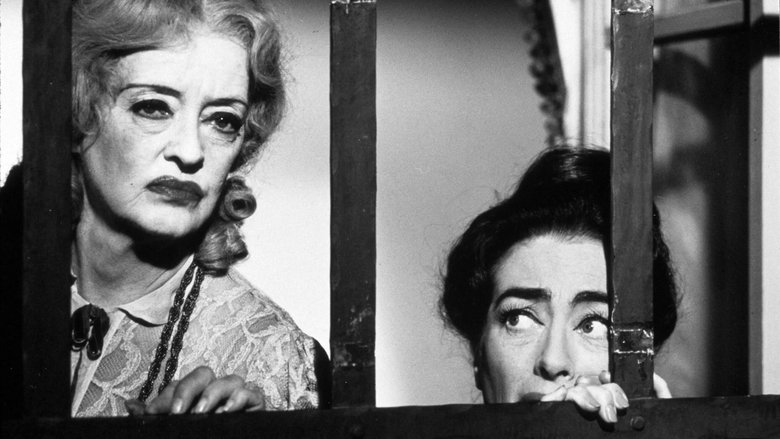
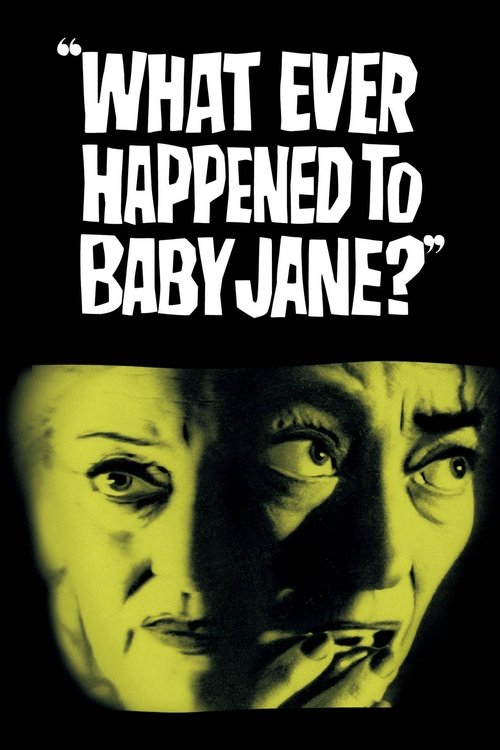
"Sister, sister, oh so fair, why is there blood all over your hair?"
Director: Robert Aldrich
Cast: Bette Davis, Joan Crawford, Victor Buono, Wesley Addy, Julie Allred
What Ever Happened to Baby Jane? — Ending Explained
⚠️ Spoiler Analysis
Alternative Interpretations
While the film presents Jane as the clear villain and Blanche as the victim, some interpretations suggest a more nuanced reading of their relationship. One perspective is that Blanche is not entirely innocent and, in fact, may have been a manipulative force in Jane's life long before the events of the film. Her final confession reveals a capacity for malice and deceit, suggesting that she may have subtly tormented Jane for years, contributing to her sister's mental decline.
Another interpretation views the film as a critique of the Hollywood studio system and its treatment of aging actresses. The grotesque and pitiable figures of Jane and Blanche can be seen as products of an industry that values youth and beauty above all else, discarding its stars once they no longer fit a certain mold. From this perspective, the true villain is not Jane or Blanche, but the cruel and unforgiving world of show business.
Explore More About This Movie
Dive deeper into specific aspects of the movie with our detailed analysis pages