"Sister, sister, oh so fair, why is there blood all over your hair?"
What Ever Happened to Baby Jane? - Symbolism & Philosophy
Symbols & Motifs
The Baby Jane Doll
The "Baby Jane" doll symbolizes Jane's arrested development and her inability to move beyond her childhood fame. It is a tangible representation of her past glory and a constant reminder of the person she once was, and in her mind, still is. The doll is both a comfort and a curse, representing a frozen, idealized version of herself that she can never reclaim.
The doll appears throughout the film, most notably in the opening scene and later in Jane's room. Its cracked and aged appearance mirrors Jane's own physical and mental decay. When Jane performs her old song, she clutches the doll, a grotesque parody of a child with her toy.
Mirrors
Mirrors in the film represent self-perception and delusion. For Jane, they are a way to cling to her past identity, as she applies her grotesque makeup and rehearses her old act while staring at her reflection. They reflect not what she is, but what she desperately wants to be. For Blanche, her reflection is a painful reminder of her lost beauty and mobility.
Jane is frequently shown in front of mirrors, particularly when she is regressing into her "Baby Jane" persona. In one key scene, she performs her signature song, "I've Written a Letter to Daddy," in front of a mirror, lost in her own distorted reality.
The Hudson Mansion
The decaying mansion symbolizes the sisters' decaying lives and their entrapment in the past. It is a gothic, claustrophobic space that reflects their internal turmoil and isolation from the modern world. The house is a mausoleum of their former fame, filled with old photographs and memorabilia that constantly remind them of what they have lost.
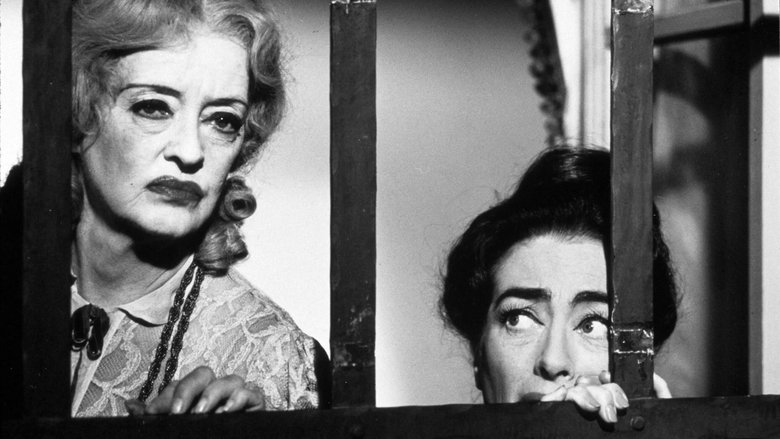
The entire film, save for the opening and closing scenes, takes place within the confines of the mansion. Its dark, shadowy interiors and barred windows emphasize the sense of imprisonment and psychological decay.
Philosophical Questions
To what extent are we defined by our past selves?
The film explores this question through the character of Jane, who is tragically unable to escape her past as a child star. Her identity is so intertwined with her former fame that she is incapable of living in the present. The film raises the question of whether it is possible to reinvent oneself after experiencing great success and subsequent failure, or if we are forever tethered to the ghosts of our past achievements.
Can true forgiveness exist in the face of profound and prolonged cruelty?
Blanche's confession at the end of the film raises the question of whether her decades of suffering at Jane's hands can be excused or understood in light of her own past actions. It also questions whether Jane, in her delusional state, is even capable of understanding or accepting Blanche's confession. The film leaves the audience to ponder whether forgiveness is possible in such a toxic and destructive relationship, or if some wounds are simply too deep to heal.
Core Meaning
At its core, "What Ever Happened to Baby Jane?" is a cautionary tale about the destructive nature of jealousy, resentment, and the refusal to let go of the past. The director, Robert Aldrich, explores the dark side of Hollywood fame and how the entertainment industry can chew up and spit out its stars, leaving them emotionally scarred and unable to cope with obscurity. The film serves as a powerful commentary on sibling rivalry, demonstrating how unresolved childhood conflicts can fester and erupt into monstrous behavior in adulthood. It also examines the theme of identity, as Jane is tragically trapped in the persona of her childhood self, unable to accept the reality of her faded stardom. Ultimately, the film suggests that living in the past and harboring hatred can lead to a complete and terrifying loss of sanity.