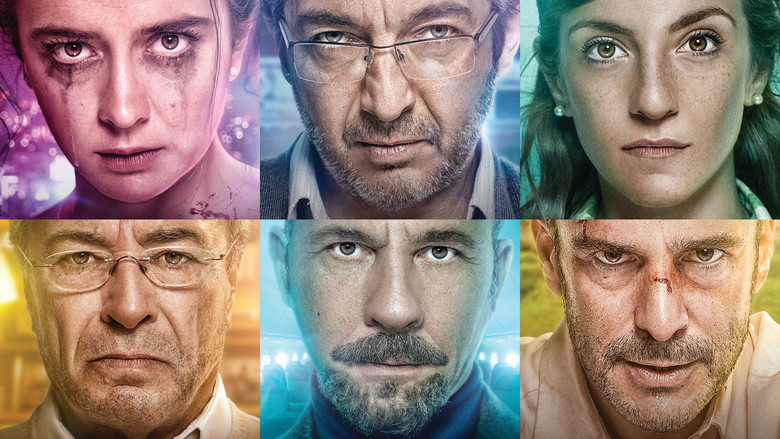
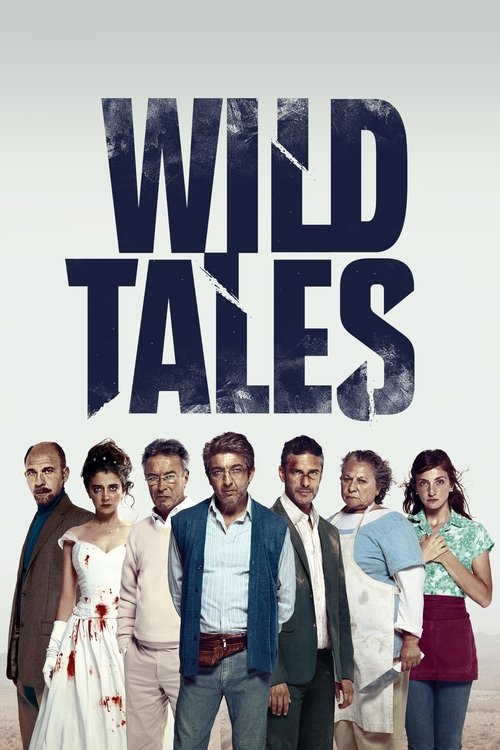
Relatos salvajes
"We can all lose control"
Wild Tales - Symbolism & Philosophy
Symbols & Motifs
Wild Animals
The opening title sequence, which features photographs of various wild animals (foxes, tigers, rams, etc.), serves as the film's primary visual metaphor. It directly equates the characters' impending loss of control with the untamed, savage nature of the animal kingdom. The title itself, "Wild Tales" or "Relatos salvajes" (Savage Tales), reinforces this idea. It suggests that beneath the veneer of human civilization lies a primal, animalistic urge for violence and revenge that is waiting to be unleashed when provoked.
This symbolism is established in the opening credits and sets the tone for the entire film. Each subsequent story then depicts a human character embodying the ferocity of one of these animals, shedding their civility for brutal instinct. The film argues that this type of egomaniacal savagery is uniquely human, as animals do not seek revenge.
Vehicles (Cars and Airplanes)
Vehicles in the film symbolize both social status and the uncontrollable trajectory of fate and rage. They are the catalysts for conflict and the instruments of destruction.
In "Pasternak," an airplane becomes a vessel for collective doom, a sealed environment where inescapable revenge is enacted. In "The Strongest," the Audi and the old Peugeot represent the class divide between the two men, and their cars become weapons in a primal duel. In "Little Bomb," Simón's car is the source of his bureaucratic nightmare when it's repeatedly towed, and he ultimately transforms it into a bomb—a symbol of his rebellion. The hit-and-run in "The Proposal" is also initiated by a car, highlighting the destructive power and privilege associated with it.
The Wedding
The wedding in the final segment, "Until Death Do Us Part," symbolizes the ultimate social contract and the pinnacle of civilized ritual. Its spectacular implosion represents the collapse of social order and the failure of love and trust to contain primal emotions like jealousy and rage.
The lavish Jewish wedding reception begins as a picture of joy and tradition but descends into chaos when the bride, Romina, discovers her groom's infidelity. The setting becomes a battleground for emotional and physical violence. The destruction of the cake, the smashing of mirrors, and the public confrontations turn a symbol of unity into a showcase of spectacular social disintegration, before bizarrely finding a new, violent equilibrium.
Philosophical Questions
Is there a 'pleasure' in losing control, and is it a justifiable human response to injustice?
The film directly confronts this question, with director Damián Szifron stating that a core theme is "the undeniable pleasure of losing control." Each protagonist experiences a moment of catharsis by abandoning restraint. Simón Fischer's bombing is met with public adoration, and the bride Romina's chaotic outburst leads to a passionately renewed, albeit violent, bond with her husband. The film forces the audience to identify with the characters' rage and vicariously experience the release, questioning whether such "wild" behavior is a necessary, or even healthy, outlet for the stress and depression caused by an unjust world.
What is the true line between civilization and barbarism?
"Wild Tales" repeatedly demonstrates how thin this line is. Characters who appear perfectly civilized—a wealthy businessman, a blushing bride, a quiet engineer—are pushed by seemingly mundane events (a traffic insult, infidelity, a parking ticket) into acts of extreme violence. The film suggests that civilization is not an inherent state but a fragile construct, a thin veneer over our primal, animalistic nature. It asks what it takes for anyone to cross that line and whether the "barbaric" response is sometimes more honest than the repressed, "civilized" one.
Can violence ever lead to justice?
The film presents an ambiguous answer. In "Little Bomb," Simón's act of targeted destruction is celebrated as a victory for the common person against a faceless bureaucracy, suggesting a form of restorative justice. However, in other segments like "The Strongest" and "The Proposal," violence only leads to death and further chaos, resolving nothing. The film doesn't offer a simple moral but instead explores the complex and often contradictory outcomes of violent actions, leaving the audience to ponder whether the momentary satisfaction of retribution is worth the ultimate cost.
Core Meaning
The core meaning of "Wild Tales" is an exploration of the fragility of civilization and the cathartic, albeit destructive, pleasure of losing control. Director Damián Szifron suggests that modern society, with its injustices, inequalities, and bureaucratic absurdities, acts as a "transparent cage" that suppresses our primal instincts. The film's six stories depict characters who reach a breaking point and, instead of repressing their frustration, unleash their inner "animal."
The film serves as a powerful social critique, particularly of Argentine society, highlighting endemic issues like corruption and systemic injustice. However, Szifron has stated the themes are universal, applicable to any society where people feel powerless against a dehumanizing system. Ultimately, the film's message is that the line between civility and barbarism is perilously thin, and that the act of rebellion, even if it leads to chaos and destruction, can provide a profound, almost spiritual, release from the pressures of a maddening world. It examines revenge not just as a malicious act, but as a desperate, darkly humorous, and deeply human response to being wronged.