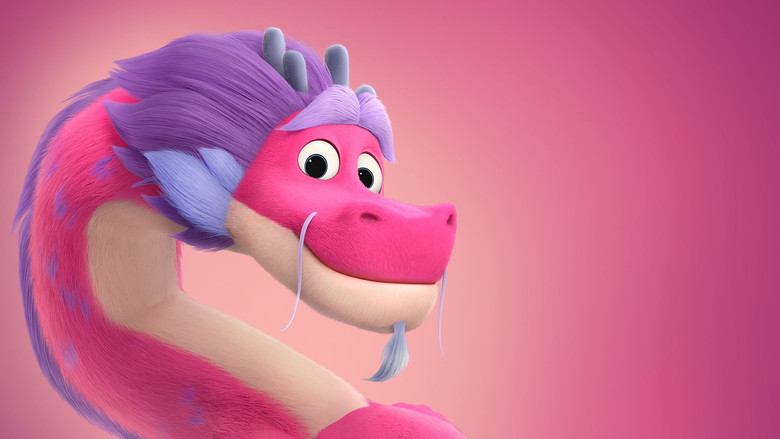
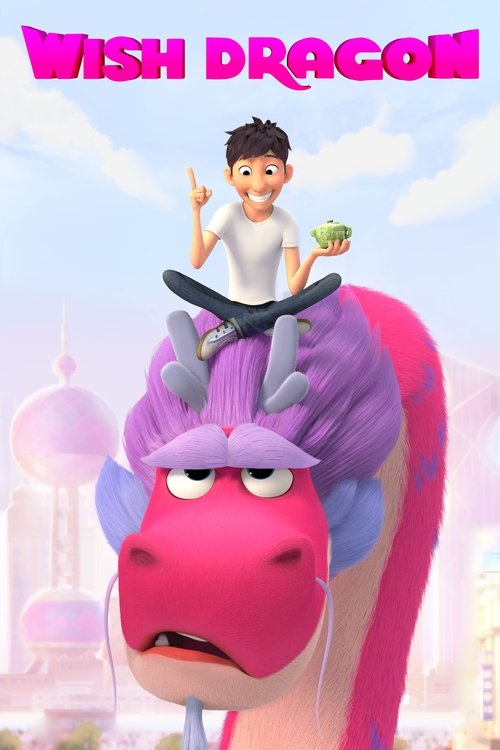
In "Wish Dragon," the central twist revolves around the motivations of the antagonists and the ultimate fate of the wish dragon, Long. Initially, Din is pursued by three goons, led by a man named Pockets, and it's assumed they work for a powerful, unknown villain. However, it is revealed that they were hired by Li Na's own father, Mr. Wang. His business is failing, and in a desperate attempt to maintain their lavish lifestyle for his daughter, he sought the magical teapot. This reveal adds a layer of tragic complexity to his character, as his flawed actions stem from a misguided sense of love and responsibility.
The plot takes a darker turn when Pockets betrays Mr. Wang, seizes the teapot, and wishes to turn everything he touches to gold. During the climactic struggle, Pockets causes Mr. Wang to fall from a great height, mortally wounding him. In the final confrontation between Din and Pockets on Long's back, Long sacrifices himself to save Din from Pockets' golden touch. As they fall, Pockets accidentally touches himself, turning to gold and shattering, while Long's golden statue sinks into a river.
The ending provides a profound resolution. Long, in his human form, arrives at the gates of the spirit world. For his selfless sacrifice, he is finally granted entry. However, realizing his journey with Din is incomplete, he pleads to return. The guardian of the gate agrees on one condition. Long reappears before Din, who then uses his third and final wish to bring Mr. Wang back to life. In the epilogue, Mr. Wang, having learned his lesson, starts a humble restaurant with Din's mother. Din and Li Na are happily working together, their friendship restored. Din discovers the teapot again and finds Long, who reveals the condition of his return was to serve ten more masters. After a heartfelt goodbye, Din places the teapot on a cart driven by the old man from the beginning—the guardian of the spirit world in disguise—to find its next master.