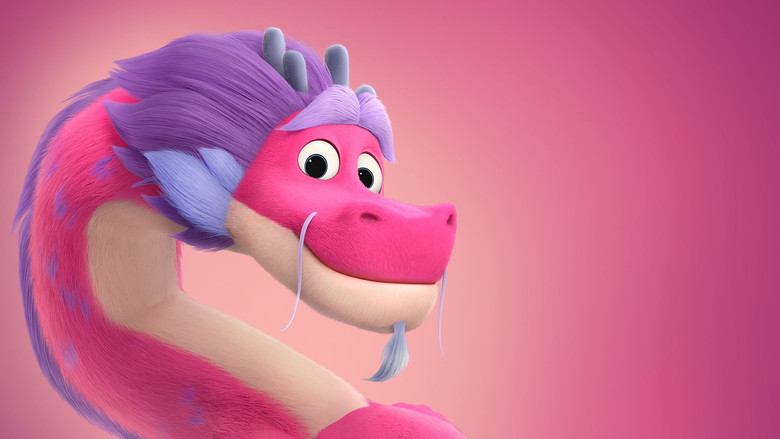
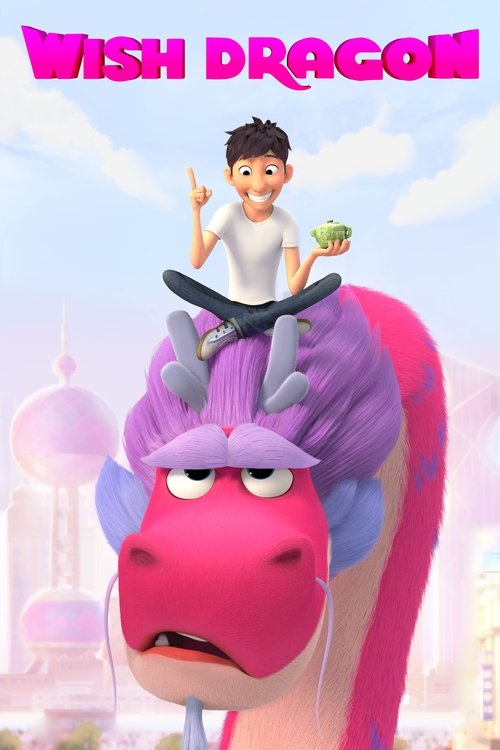
"Three magical wishes. One life changing adventure."
Wish Dragon - Symbolism & Philosophy
Symbols & Motifs
The Jade Teapot
The teapot symbolizes potential and the vessel of life's true meaning. Unlike a grandiose lamp, its humble, domestic nature suggests that magic and profound lessons can be found in ordinary places. It contains Long, who must learn the importance of relationships, making the teapot a crucible for transformation and enlightenment.
Din receives the teapot from an old man (who is later revealed to be a god) at the beginning of the film. It is the object that initiates his entire adventure and is the catalyst for both his and Long's character development. It is the highly sought-after prize for the film's villains, representing the power they crave.
Shanghai's Changing Landscape
The visual contrast between Din's traditional, close-knit Shikumen neighborhood and the sprawling, hyper-modern skyscrapers of Li Na's world symbolizes the social and economic divide between the characters. It represents the rapid modernization of China and the resulting class stratification, highlighting the different paths and pressures faced by the youth.
The film's animation frequently showcases these contrasting settings. Din navigates the bustling, communal alleyways on his scooter, while Li Na is often seen in sterile, luxurious high-rises and at exclusive parties. The climax of a fight sequence takes place high above the glittering city, emphasizing this vertical social structure.
Kites
Kites symbolize the pure, untethered friendship of Din and Li Na's childhood. Flying kites together represents their shared dreams, freedom, and the simple joys of their bond before the complexities of wealth and social status separated them. The kite is a reminder of the connection they are trying to reclaim.
The film opens with a montage of Din and Li Na as inseparable childhood friends, with kite-flying being one of their key activities. This idyllic memory is what drives Din's quest. When they finally reconnect and spend a day in their old neighborhood, they once again share a moment involving kites, signifying a return to the genuine core of their friendship.
Philosophical Questions
What is the true measure of a successful life?
The film explores this question by contrasting two definitions of success. Li Na's father represents success as financial wealth and social status, believing he has given his daughter a better life by providing her with luxury. However, this has led to Li Na's profound loneliness. Din's mother, on the other hand, represents a more humble success focused on education and stability. The film ultimately argues that a successful life is one rich in meaningful relationships and personal fulfillment, not material possessions, a lesson Long the dragon has to learn across a millennium.
Can friendship survive significant changes in social class and circumstance?
This question is the central conflict for Din. The ten years and the vast economic gap between him and Li Na create a seemingly insurmountable obstacle. Din initially believes he must change his own class (by wishing for wealth) to bridge this gap. The film explores how true friendship transcends these external factors. It is not money, but shared memories, authenticity, and genuine care that allow Din and Li Na to reconnect, suggesting that the foundation of a strong bond is emotional, not socioeconomic.
What is the purpose of power and great fortune if not for personal gain?
Long, the wish dragon, offers a unique perspective on this. In his former life as a lord, he used his power and fortune entirely for himself, leading to a lonely end and a divine punishment. Through Din, he learns a new purpose for power. Din's final wish is not for himself, but to save the life of Li Na's father, an act of pure altruism. The film posits that the ultimate purpose of having great ability or resources is to help others and strengthen the bonds of one's community.
Core Meaning
The core meaning of "Wish Dragon" is a powerful affirmation that human connection, particularly friendship and family, holds more value than wealth, status, or material possessions. The film posits that true happiness and fulfillment are not found in gold or luxury, but in the selfless relationships we build and cherish. Director Chris Appelhans uses the narrative to explore how the pressures of modern society and the pursuit of success can make one lose sight of what is truly important. Through the parallel journeys of Din, who nearly loses his way seeking to impress his friend, and Long, who was cursed for his past selfishness, the film delivers a heartfelt message that the most valuable treasures in life are the bonds we share with others.