The core meaning of "Wolf Children" revolves around the profound and unconditional love of a mother and the universal journey of raising children to find their own identity. Director Mamoru Hosoda wanted to explore the theme of "parent and child," portraying the thirteen-year journey of a single mother, Hana, as she raises her half-wolf, half-human children. The film emphasizes that parenting is a challenging and often isolating experience, and by using the fantastical element of wolf children, Hosoda makes this universal struggle relatable to a wider audience. The central message is that a parent's role is to provide a loving and supportive environment that allows their children the freedom to choose their own path in life, even if it leads them away from their family. Hana's ultimate acceptance of her children's divergent choices—Yuki as a human and Ame as a wolf—underscores the idea that true love lies in letting go and respecting the individual identities of one's children.
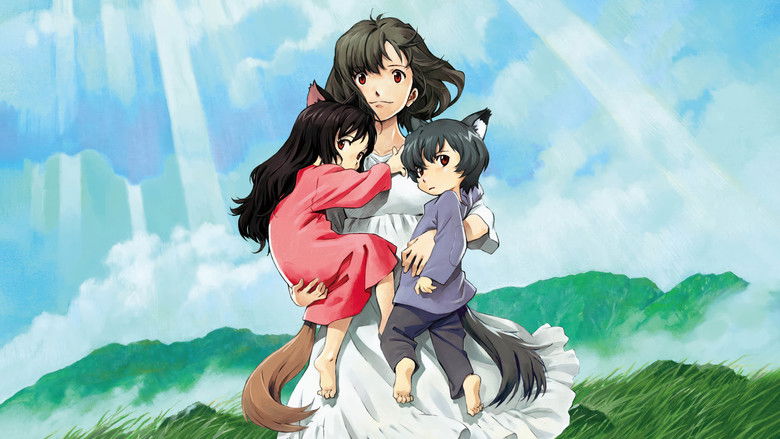
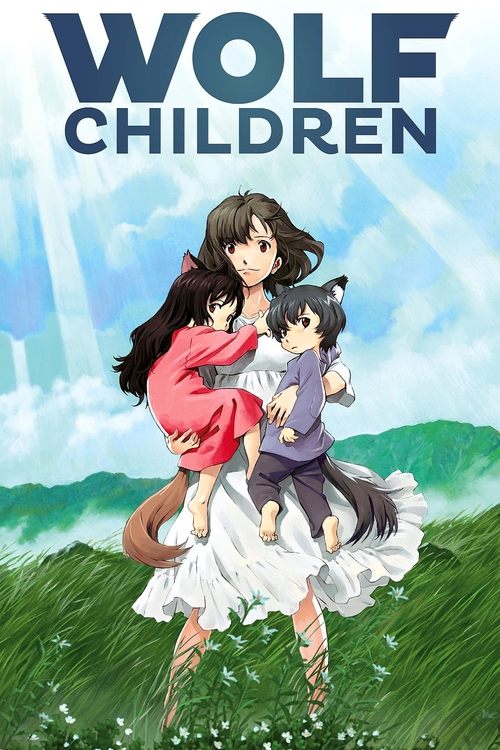
おおかみこどもの雨と雪
"Love wildly."
Director: Mamoru Hosoda
Cast: Haru Kuroki, Yukito Nishii, Aoi Miyazaki, Takao Osawa, Momoka Ohno
Wolf Children — Symbolism & Philosophy
Symbols & Motifs
Rain and Snow
Rain and snow symbolize the contrasting personalities and chosen paths of the two children, Ame (rain) and Yuki (snow). Their names, given to them based on the weather at the time of their birth, foreshadow their destinies. Ame, born on a rainy day, grows to be more introspective and connected to the wild, serious nature of the world. Yuki, born during a snowfall, is initially more energetic and cheerful, but later chooses the more structured and delicate life of a human.
The children's names and the weather associated with them are a recurring motif. The final storm in the film serves as a catalyst for both Ame and Yuki to fully embrace their chosen identities, with Ame leaving to become the guardian of the forest and Yuki solidifying her bond with her human friend, Sohei.
The Forest
The forest represents the wild, instinctual side of the children's nature. It is a place of freedom and self-discovery, but also of danger. For Ame, the forest becomes his home and his true calling, a place where he can fully be himself. It symbolizes a world separate from human society, governed by its own laws and rhythms.
Ame's increasing fascination with the forest throughout the film marks his journey away from the human world. He learns the ways of the wild from an old fox, his mentor, and eventually takes on the responsibility of protecting the forest, signifying his complete embrace of his wolf identity.
The Dilapidated House
The old, rundown house in the countryside that Hana and her children move into symbolizes a new beginning and the family's resilience. It is a space where they can be themselves without fear of judgment. The process of repairing and making the house a home parallels Hana's journey of building a new life for her family and her personal growth as a mother and an individual.
Upon arriving in the countryside, Hana works tirelessly to fix up the dilapidated house, learning to farm and becoming self-sufficient. This process not only provides a safe haven for her children but also allows her to connect with the local community and find her own strength and independence.
Philosophical Questions
What does it mean to find one's true identity?
The film explores this question through the contrasting journeys of Yuki and Ame. It suggests that identity is not a fixed concept but a path that one chooses. Yuki's choice to be human and Ame's to be a wolf are presented as equally valid, emphasizing that finding oneself is a personal journey that may lead to different outcomes for different individuals. The film suggests that true identity is found not in conforming to expectations but in embracing the path that feels most authentic to oneself, whether that is within society or outside of it.
What is the nature of unconditional love?
"Wolf Children" portrays unconditional love primarily through the character of Hana. Her love for her children transcends their dual nature and the immense difficulties she faces. The film demonstrates that unconditional love means supporting a child's journey of self-discovery, even when their choices are difficult to understand or lead them away from their family. Hana's ultimate acceptance of Ame's departure and Yuki's decision to move away is the ultimate expression of this love—a love that prioritizes her children's happiness and fulfillment above her own desires.
Core Meaning
Explore More About This Movie
Dive deeper into specific aspects of the movie with our detailed analysis pages