World of Tomorrow - Symbolism & Philosophy
Symbols & Motifs
Stick Figures
Symbolize the fragility and simplicity of the human form amidst a complex, overwhelming universe. They represent a 'universal' human that allows the viewer to project their own emotions onto the characters.
Used for all human characters, contrasting sharply with the intricate, digital backgrounds of the future.
Shooting Stars
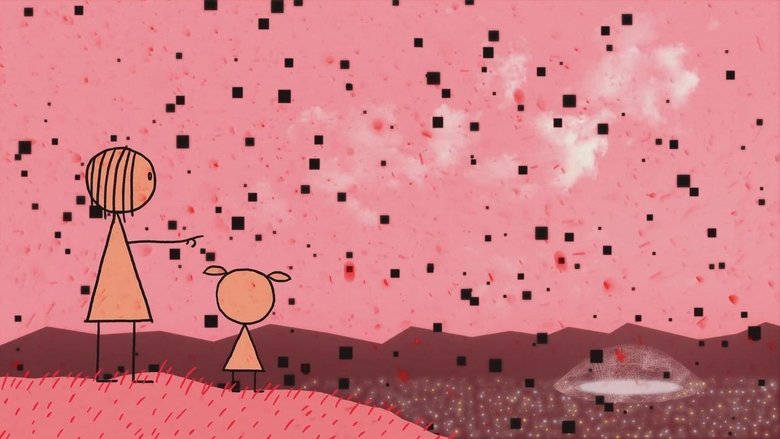
Symbolize the grim reality of the future's failures masked as beauty. They represent the discarded lives of those who couldn't afford 'proper' technology.
Emily Prime sees beautiful streaks in the sky, but the clone explains they are actually dead bodies of poor people falling back into the atmosphere from failed space travel.
The Rock
Symbolizes desperate, misplaced affection in a world where genuine human connection has become impossible.
The clone recounts falling in love with a rock on the moon and later being heartbroken when they are separated.
David (The Brainless Clone)
Represents the dehumanization inherent in the quest for physical immortality. He is a 'vessel' without a soul, treated as a museum exhibit.
A clone body named David is kept in a gallery for 72 years, aging in real-time while visitors observe him.
The Meteor
A symbol of inevitable fate and the ultimate insignificance of human technology in the face of nature.
The clone reveals that Earth will be destroyed by a meteor in sixty days, rendering all the cloning and memory-saving efforts moot.
Philosophical Questions
Are we merely the sum of our memories?
The film asks if transferring memories into a new body preserves the 'self' or if the physical and emotional context of the original moment is required for true identity.
Is sadness essential to the human experience?
Through the clone's 'pride' in her sadness, the film explores whether negative emotions are a necessary anchor for empathy and self-awareness in an automated world.
Does immortality destroy the value of time?
The clones live for centuries but seem to value time less than the toddler who has only had 'lunch.' The film explores if the scarcity of time (death) is what creates its worth.
Core Meaning
The core of the film is a poignant reminder to appreciate the present moment. Through the contrast between a child who lives entirely in the 'now' and a clone who is burdened by centuries of fragmented, often secondhand memories, Don Hertzfeldt argues that the essence of being human lies in the fleeting, unrecorded experiences of life. The film suggests that the technological pursuit of immortality is a hollow endeavor if it results in the loss of emotional depth and the ability to experience genuine, spontaneous joy.