Skip to content
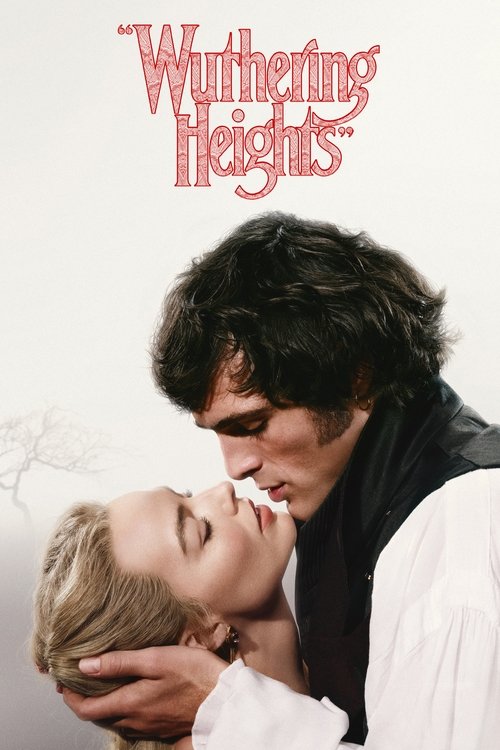
"Wuthering Heights"
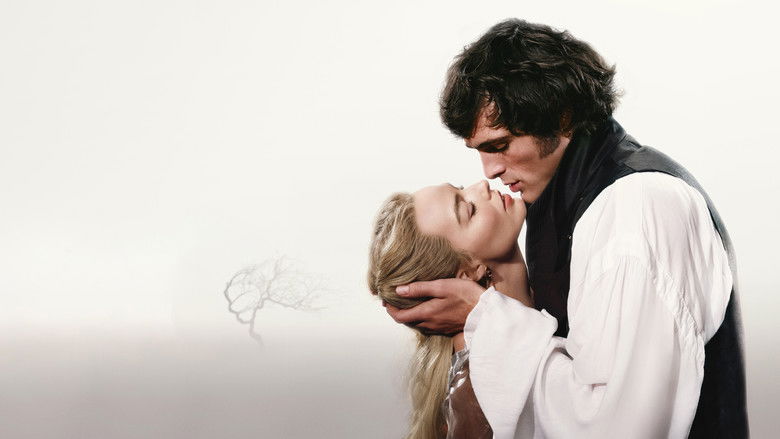
A stormy, intoxicating Gothic fever dream drenched in blood-red velvet and raw, primal lust where obsession rots into madness like flesh pressed against cold, wet stone.
"Wuthering Heights"

"Wuthering Heights"

"Come undone."

11 February 2026 United States of America 137 min 6.7 (1,262)

Director: Emerald Fennell

Cast: Margot Robbie, Jacob Elordi, Hong Chau, Alison Oliver, Shazad Latif

Drama Romance Obsessive Desire vs. Social Conformity Bodily Autonomy, Decay, and Confinement Retaliation and Cruelty as Self-Preservation Nostalgia, Childhood, and Youthful Myth-Making
Budget: $80,000,000
Box Office: $241,601,072

Overview

Emerald Fennell’s 2026 film “Wuthering Heights” is a stylized, sensuous reinterpretation of Emily Brontë’s 1847 Gothic masterpiece. Set against the bleak, weather-beaten Yorkshire moors, the story opens when the wealthy but unstable Mr. Earnshaw brings a mysterious orphan boy, Heathcliff, into his household at the Wuthering Heights estate. Heathcliff forms an instant, feral bond with Earnshaw’s free-spirited daughter, Catherine "Cathy" Earnshaw. As they grow into adulthood, their childhood companionship evolves into a suffocating, all-consuming passion.

Despite her fierce devotion to Heathcliff, Cathy succumbs to social expectations and accepts a marriage proposal from the wealthy, refined Edgar Linton of Thrushcross Grange. Devastated by her decision, Heathcliff vanishes, only to return years later as a wealthy, ruthless gentleman consumed by a desire to exact vengeance on those who kept him from Cathy.

Rather than delivering a traditional period drama, the film leans into a heightened, modern Gothic aesthetic—complete with anachronistic elements, an immersive pop-electronic soundtrack, and an emphasis on physical desire, possession, and psychological decay.

Core Meaning

Director Emerald Fennell intentionally stylized the film’s title with quotation marks—“Wuthering Heights”—to signal that it is not a literal, page-by-page translation of the book, but rather an emotional, visceral reaction to reading the novel as a teenager.

Fennell sought to strip away the genteel, sanitized romance often retroactively assigned to Brontë's novel. The core message explores how obsessive love is not wholesome or tragic in a romantic sense, but inherently violent, selfish, and destructive. The film highlights how class structures and bodily repression force passionate individuals into gilded cages, converting unfulfilled desire into toxic retaliation and self-destruction.

Thematic DNA

Obsessive Desire vs. Social Conformity 35%
Bodily Autonomy, Decay, and Confinement 25%
Retaliation and Cruelty as Self-Preservation 20%
Nostalgia, Childhood, and Youthful Myth-Making 20%

Obsessive Desire vs. Social Conformity

The primary engine of the narrative is Cathy’s impossible choice between social elevation through Edgar Linton and primal, spiritual unity with Heathcliff. The film reveals this tension through contrast between the muddy, wild moors of Wuthering Heights and the refined, suffocating interiors of Thrushcross Grange. Cathy’s refusal to surrender either status or desire leads directly to her mental and physical collapse.

Bodily Autonomy, Decay, and Confinement

Fennell emphasizes physical embodiment, sensory sensation, and bodily limits. Cathy’s marriage transforms her from a wild child into a domestic trophy wife, physically enclosed within rooms designed to mirror her own body. Her pregnancy and subsequent septic illness visualize how internal trauma physically rots the body when freedom is denied.

Retaliation and Cruelty as Self-Preservation

Heathcliff’s transformation from an abused outsider into a cold-blooded tormentor demonstrates how brutality breeds brutality. Heathcliff uses marriage and financial leverage to abuse Isabella Linton, turning romantic affection into a weapon to inflict pain on Cathy and Edgar.

Nostalgia, Childhood, and Youthful Myth-Making

The film frames Cathy and Heathcliff's bond as a myth born in childhood that cannot survive the realities of adult society. Their relentless attempt to cling to that youthful, unrestricted connection turns their lives into a tragic fantasy.

Character Analysis

Catherine "Cathy" Earnshaw

Margot Robbie

Archetype: Antiheroine / Tragic Hedonist Key Trait: Uncompromising, volatile pride

Motivation

To maintain high social status and security while retaining total emotional and physical possession of Heathcliff.

Character Arc

Evolves from a wild, unruly child running through the moors into a wealthy, trapped aristocrat who destroys herself through secret obsession and physical illness.

Heathcliff

Jacob Elordi

Archetype: Antihero / Byronic Avenger Key Trait: Brooding, relentless intensity

Motivation

To possess Cathy completely and punish the society that deemed him inferior.

Character Arc

Begins as an orphaned, silent stable boy treated as a household pet, vanishing after rejection and returning as a polished, sadistic gentleman set on destroying his tormentors.

All 5 characters and cast

Symbols & Motifs

Cathy’s "Skin Wallpaper" Room

Meaning:

It symbolizes her physical confinement, turning her room into a literal extension of her trapped body and marital status.

Context:

In Thrushcross Grange, Cathy’s bedroom walls are covered in custom dusky-pink latex wallpaper designed from high-resolution images of actress Margot Robbie’s arm, complete with visible veins and freckles.

Crushed Eggs / Yolks

Meaning:

This symbolizes fragile fertility, the destruction of her unborn child, and her inability to escape her past.

Context:

Cathy and Heathcliff share an inside joke in youth involving leaving raw eggs in each other's beds. Later, a pregnant Cathy sits on eggs, crushing them into a sticky mess.

Victorian Hair Work & Woven Canopies

Meaning:

It symbolizes morbid connection, eternal entanglement, and 19th-century rituals of mourning.

Context:

The film’s opening title card features stop-motion animation of hair intertwining, created using real hair from Margot Robbie and Jacob Elordi. Additionally, hair adorns bed canopies on set.

The Opening Hanging Scene

Meaning:

Establishes the motif linking lust, violence, death, and societal barbarism.

Context:

A public execution in which a man experiences a terminal erection while being hanged, amidst an orgiastic crowd.

Disembodied Hand Wall Sconces & Hands

Meaning:

Directly referencing the iconic ghost hand at the window from Brontë’s novel.

Context:

Wall sconces shaped like human hands are installed in the hallways.

Soot Lines on Fireplaces

Meaning:

Symbolizes the steady, absorbing rot and moral decay of the characters.

Context:

The fireplaces at Wuthering Heights feature soot streaks that darken across the film.

Memorable Quotes

Be with me always—take any form—drive me mad!
— Heathcliff

Context

Spoken in grief and fury upon learning of Cathy’s illness and approaching death.

Meaning

Derived from Brontë's novel and featured prominently in the film’s promotional art, this line underscores Heathcliff’s refusal to accept separation from Cathy even in death.

So, kiss me again. And let us both be damned.
— Catherine Earnshaw

Context

Spoken during a covert, intense reunion between Cathy and Heathcliff away from Thrushcross Grange.

Meaning

Captures the film's thesis that their romance is an act of mutual destruction rather than a pure love story.

All 3 quotes

Philosophical Questions

Can passionate love exist without turn-of-century possession and destruction?

The film explores whether absolute romantic devotion inevitably rots into obsession, control, and mutual harm when detached from moral boundaries.

Is physical confinement of the body worse than physical death?

Through Cathy’s transition into Thrushcross Grange, the movie questions whether sacrificing one's core identity for safety and social status is a form of living death.

Does emotional truth outweigh historical and factual fidelity?

By prioritizing internal feeling over external accuracy, the film asks whether a story's ultimate value lies in its literal facts or the primal emotions it evokes.

Alternative Interpretations

Feminist Tragedy of Marital Confinement: One perspective views Cathy's tragic fate as an indictment of 19th-century patriarchal marriage. Trapped in Thrushcross Grange—surrounded by walls made of her own skin—Cathy is stripped of autonomy, making her descent into illness an inevitable revolt against domestic captivity.

Full ending explanation

Cultural Impact

Released in February 2026 as Emerald Fennell’s third feature film (following Promising Young Woman and Saltburn), the movie represents a broader Hollywood trend of turning classical literature into modern, sensory-driven cinema.

Pre-release discussions centered heavily on two casting choices: Jacob Elordi as Heathcliff—drawing criticism for casting a white actor in a role historically interpreted as a dark-skinned outsider—and 35-year-old Margot Robbie playing Catherine Earnshaw in her late teens and early twenties.

Backed by Charli XCX’s music and a high-profile press tour, the film generated widespread social media discourse regarding "fan-fic style" adaptations and modern Gothic aesthetics.

Audience Reception

Praised Aspects: Visually stunning 35mm VistaVision cinematography by Linus Sandgren; bold, surreal production design by Suzie Davies and costumes by Jacqueline Durran; intense screen chemistry between Margot Robbie and Jacob Elordi; energetic score and soundtrack by Anthony Willis and Charli XCX.

Main Points of Criticism: Lack of narrative depth and emotional weight behind the glossy aesthetic; severe deviations from Emily Brontë’s source text; whitewashing Heathcliff’s traditional racial identity; gratuitous shock value and overt sexualization.

Overall Verdict: A polarizing, provocative Gothic spectacle that succeeded as a visual event and box office hit ($241.6M) while deeply dividing literary purists and film critics.

Interesting Facts

  • Emerald Fennell insisted on adding quotation marks to the film's title, “Wuthering Heights”, as a public disclaimer that the movie is her personal, "turned-up" reaction to the book rather than a faithful adaptation.
  • Production designer Suzie Davies created the wallpaper for Cathy’s bedroom at Thrushcross Grange by photographing Margot Robbie’s arm skin and printing it onto dusky-pink latex sheeting, complete with veins and beauty marks.
  • The stop-motion title sequence of interweaving hair was created using real hair harvested from lead actors Margot Robbie and Jacob Elordi.
  • Cinematographer Linus Sandgren opted to shoot the film on rare 35mm VistaVision cameras to achieve high-contrast, vivid, and textured widescreen imagery.
  • Pop icon Charli XCX collaborated on the soundtrack, providing original dance/pop/electronic tracks intercut with Anthony Willis' traditional orchestral score.
  • Fennell streamlined the novel's script by completely cutting Catherine’s brother Hindley Earnshaw (and his descendants), reassigning Hindley's gambling and severe alcoholism to the father, Mr. Earnshaw (played by Martin Clunes).
  • Released worldwide by Warner Bros. Pictures on February 13, 2026, the film grossed over $241.6 million against an $80 million production budget.

Easter Eggs

Kate Bush Dance Video

On the final day of filming, dialect coach William Conacher posted a viral video behind the scenes showing Margot Robbie dancing in full Cathy costume to Kate Bush’s iconic 1978 hit song "Wuthering Heights".

Disembodied Ghost Hand Sconces

Decorative wall sconces in the estate hallways are molded in the shape of hands, directly referencing the memorable scene in Brontë's novel where Mr. Lockwood sees a ghost hand reaching through the window lattice.

Metallic Insects

Small metallic insect sculptures are hidden on set furniture at Thrushcross Grange, symbolizing subtle rot underneath aristocratic elegance.

Progressive Soot Discoloration

Soot marks above the Wuthering Heights fireplaces grow darker in each progressive scene, physically tracking the internal corruption of the characters.

Frequently Asked Questions

Explore More About This Movie

Dive deeper into specific aspects of the movie with our detailed analysis pages

Comments (0)

Leave a comment

No comments yet. Be the first to share your thoughts!

Similar Movies