
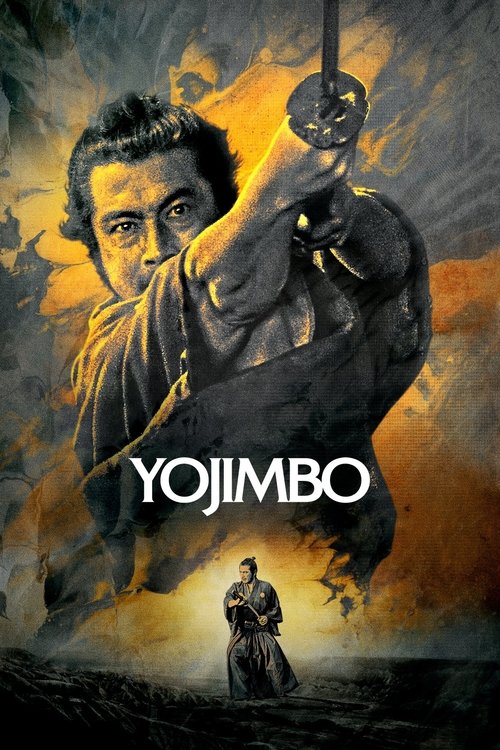
The central pillar of "Yojimbo's" plot is Sanjuro's masterful deception. The key twist is that he never truly aligns with either gang. His initial contract with Seibei is a ploy, which he immediately undermines by 'quitting' when the gangs face off, revealing to Ushitora that Seibei had planned to kill him after the battle. This act of betrayal establishes his strategy: to gain the trust of both sides just enough to feed them information that will lead to their mutual destruction.
A critical turning point occurs when Sanjuro, showing a hidden layer of morality, decides to free a family held captive by Ushitora. He kills the guards, reunites the husband, wife, and child, and gives them the money he had extorted, telling them to flee. He then stages a scene to make it look like Seibei's men were responsible. This act of compassion is what ultimately leads to his downfall. Unosuke, the intelligent villain with the pistol, is not fooled and discovers a thank-you letter from the rescued wife, exposing Sanjuro's double-cross.
Sanjuro is subsequently captured and brutally beaten by Ushitora's men. His escape, smuggled out of town in a coffin by the tavern keeper Gonji, is a moment of intense vulnerability, stripping away his aura of invincibility. During his recovery, he witnesses the final, brutal annihilation of Seibei and his entire family at the hands of Ushitora's victorious gang. The film's climax is Sanjuro's return to the town to rescue the now-captured Gonji. In a masterful final confrontation, he uses strategy to defeat Unosuke's pistol—throwing a knife to disable his gun hand—before swiftly killing Ushitora and the remaining gang members. With both gangs completely wiped out, he frees Gonji, tells the farmer's son to return to his parents, and walks away, leaving the town eerily quiet, its corruption purged through his violent machinations.