Yona of the Dawn
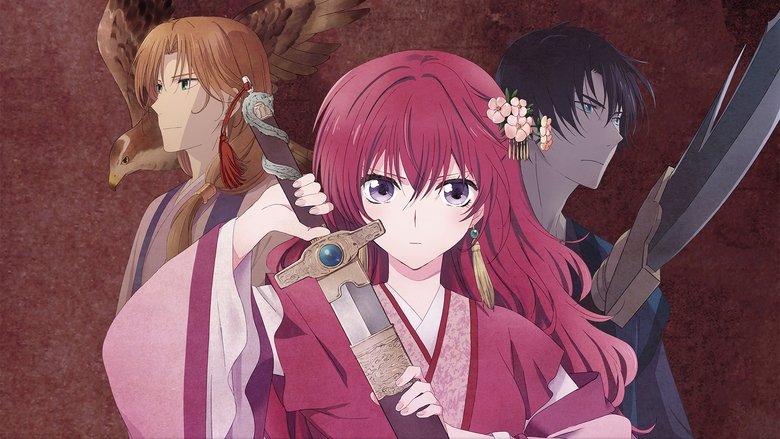
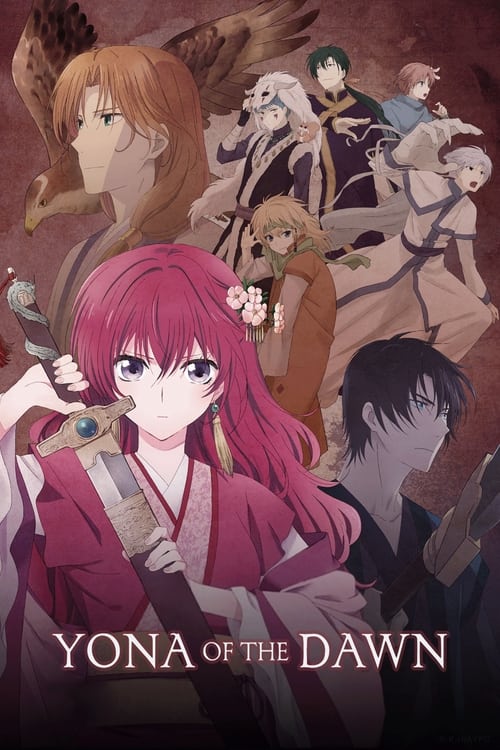
A sheltered princess with hair red as the dawn is cast from her throne into a world of blood and betrayal. Driven by a legendary destiny, she transforms from a pampered doll into a warrior queen, gathering dragon warriors to reclaim her kingdom and protect her people.
Yona of the Dawn
Yona of the Dawn

暁のヨナ

07 October 2014 — 24 March 2015 Japan 1 season 24 episode Ended ⭐ 8.4 (285)
Cast: Chiwa Saito, Tomoaki Maeno, Yusuke Kobayashi, Eiichiro Tokumoto, Junichi Yanagita
Drama Animation Sci-Fi & Fantasy Action & Adventure Comedy
Metamorphosis and Growth Fate vs. Free Will Betrayal and Moral Ambiguity Loyalty and Devotion

Yona of the Dawn - Ending Explained

⚠️ Spoiler Analysis

The Betrayal (Episode 1): The reveal that Soo-won, the kind cousin Yona loved, is the killer is the core twist. It recontextualizes him from a love interest to the primary antagonist, yet the show subverts this by later showing him being a genuinely good King.

The Dragon's Blood: It is revealed that Yona is the direct reincarnation of King Hiryuu. This means the dragons' loyalty is biological and instinctual. The show explores the horror of this—Zeno (Yellow Dragon) reveals later (in OVAs/Manga) that he has been alive for thousands of years, unable to die, waiting for Yona. This twists the 'cool superpower' trope into a tragic curse of immortality.

The Ending (Episode 24): The anime ends with Yona choosing not to attack the capital immediately. Instead, she resolves to travel the land to fix the problems her father ignored. This twist changes the genre from a 'Revenge Story' to a 'Redemption/Political Reform' story. She realizes that simply killing Soo-won won't fix the country's rot.

Alternative Interpretations

Soo-won: Hero or Villain?
A major point of debate is whether Soo-won is the true hero of the story. Critics argue that King Il's pacifism was actually negligence that allowed human trafficking and poverty to fester. From a utilitarian perspective, Soo-won's coup saved the kingdom from collapse. Thus, Yona's journey isn't just about reclaiming her right, but realizing her father's failures.

The Hairpin as a Shackle
Some interpret Yona keeping Soo-won's hairpin not as simple lingering love, but as a symbol of her trauma. It represents the innocence she can never get back. Discarding it (or not) becomes a barometer for her healing process throughout the series.