暁のヨナ
Yona of the Dawn - Symbolism & Philosophy
Symbols & Motifs
Red Hair
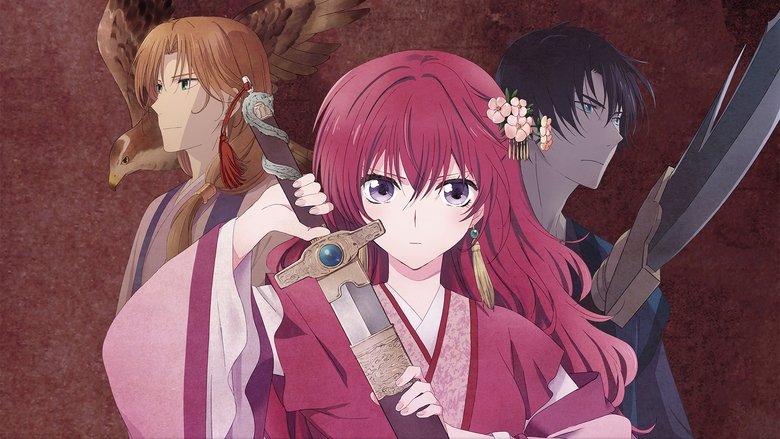
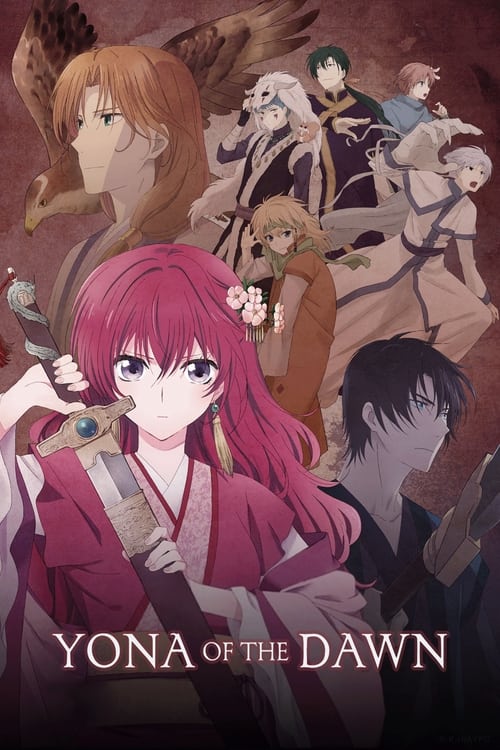
Initially a source of insecurity for Yona, her red hair evolves into a symbol of the Crimson Dragon King, fire, passion, and the dawn itself. It represents her acceptance of her destiny and her burning will to live.
Soo-won once complimented it, making her love it; later, she cuts it off to save Hak, symbolizing the severance of her past self and her pampered life. Enemies eventually come to fear the 'red-haired princess.'
The Hairpin
Symbolizes Yona's lingering attachment to Soo-won and her inability to fully let go of her past love, despite his betrayal.
Soo-won gives it to her just before the coup. Throughout the series, she keeps it, representing the complex, unresolved grief and love she still holds for the man who killed her father.
The Four Dragons
They represent the different facets of power needed to rule: strength (White), vision (Blue), freedom/agility (Green), and resilience (Yellow).
They are scattered across the kingdom, each isolated by their power. Their gathering symbolizes the unification of the fractured country under a true leader.
Dawn (Akatsuki)
Symbolizes a new beginning after a dark night. Yona is the 'dawn' that will end the darkness of corruption in Kouka.
Used in the title and visual imagery, often appearing when Yona makes a pivotal realization or saves a village from despair.
Philosophical Questions
Does the end justify the means?
Soo-won murders a kind man (King Il) to save a nation. The series asks if a stable, prosperous country built on the blood of a betrayer is valid, and if Yona has the right to destabilize that peace for the sake of personal justice.
What is the duty of a ruler?
Is a ruler's duty to maintain peace at all costs (King Il) or to ensure strength and prosperity, even through war (Soo-won)? Yona finds a third path: ruling through understanding and protecting the most vulnerable, suggesting that a ruler must first be a servant of the people.
Core Meaning
At its heart, Yona of the Dawn challenges the definition of true strength and leadership. The series posits that ignorance is a sin for a ruler; true power comes not from divine right or military might, but from empathy and the willingness to see the suffering of the voiceless. Yona's red hair, initially a symbol of her hatred and vanity, becomes a burning symbol of hope and revolution, suggesting that one's perceived weaknesses can become their greatest strengths when fueled by a purpose larger than oneself.