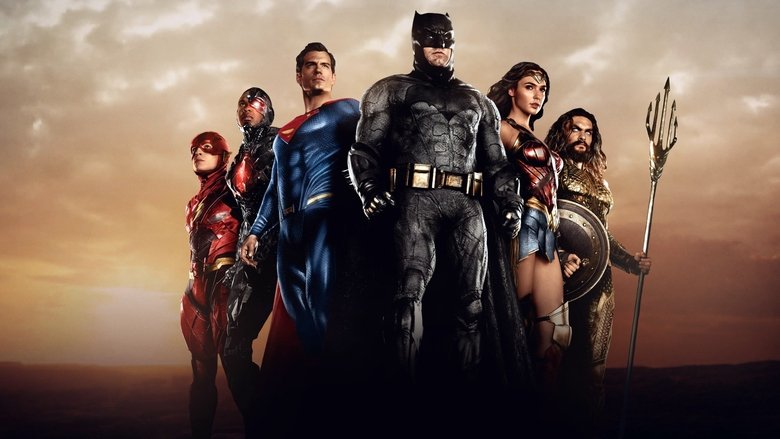
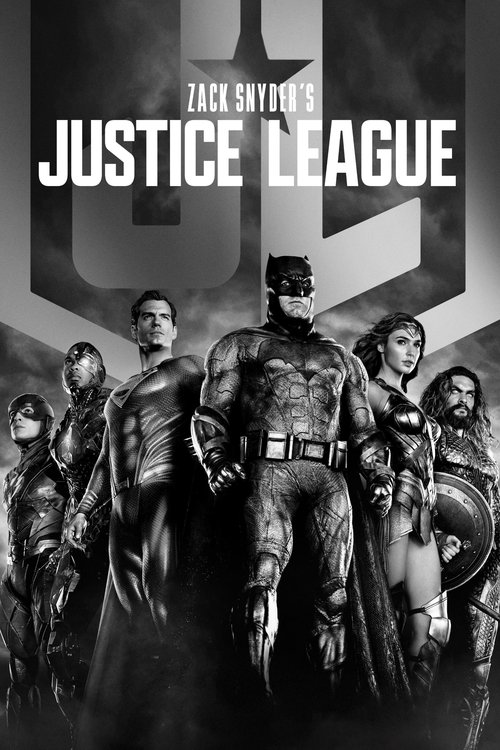
"Us united."
Zack Snyder's Justice League - Symbolism & Philosophy
Symbols & Motifs
Mother Boxes
The Mother Boxes symbolize both creation and destruction. They are described as "change machines" that can rearrange matter. For Cyborg, a Mother Box is the source of his rebirth, representing a traumatic but ultimately powerful transformation. For Steppenwolf and Darkseid, they are tools of conquest, meant to terraform worlds and extinguish life, symbolizing the destructive imposition of will. Their dual nature represents the core conflict of the film: whether immense power will be used to heal or to dominate.
The three Mother Boxes—one held by Amazons, one by Atlanteans, and one by humans—are the central MacGuffins of the plot. Steppenwolf's quest is to unite them to form "The Unity," which would destroy Earth's ecosystem. The Justice League uses the human Mother Box to resurrect Superman, tapping into its creative potential.
Superman's Black Suit
The black suit is a direct reference to the "Reign of the Supermen" comic book storyline where Superman returns from death. Symbolically, it represents a rebirth and a transitional phase. He is not yet the bright, hopeful symbol he will become. The suit signifies a more raw, powerful, and perhaps less certain version of the character, emerging from the grave to complete his journey toward becoming the "true" Superman.
Upon his resurrection, Clark Kent enters his Kryptonian scout ship and walks past several armor options before choosing the black and silver suit. He wears it for the remainder of the film's final battle against Steppenwolf.
The Knightmare Sequence
The "Knightmare" visions symbolize a potential dark future, a timeline where the heroes fail and Darkseid conquers Earth. It represents the ultimate stakes of their mission and Batman's deepest fears. This apocalyptic world, where Superman is under Darkseid's control, is a manifestation of the consequences of loss and disunity, serving as a grim warning and a driving motivation for Bruce Wayne to ensure this future never comes to pass.
Cyborg experiences a vision of the Knightmare future when interfacing with the Mother Box during Superman's resurrection. The film's epilogue features an extended scene set in this timeline, where Batman, Cyborg, The Flash, Mera, Deathstroke, and the Joker have formed a resistance.
Philosophical Questions
Can gods be broken, and if so, how do they heal?
The film presents its heroes, who are functionally gods, as deeply flawed and broken individuals. Each member of the league is dealing with profound trauma, loss, or alienation. The narrative explores the idea that immense power does not grant immunity to psychological suffering. It suggests that healing doesn't come from their powers, but from connection. By forming a community and family, they are able to confront their pain and find a new purpose. The film posits that even for gods, the path to healing is through vulnerability and reliance on others.
What is the nature of hope in a world defined by darkness and loss?
Following Superman's death, the world is depicted as being in mourning and losing hope. The film questions whether hope is an external symbol (like Superman) or an internal choice. Batman's journey is central to this exploration; he must learn to operate on faith and inspire hope in others rather than just fear. The film ultimately argues that hope is not the absence of darkness, but the will to fight against it, a choice that must be actively made and nurtured through collective action and belief in one another.
Does free will exist in the face of destiny and overwhelming power?
The Knightmare sequences and the looming threat of the Anti-Life Equation (Darkseid's ultimate weapon to eliminate free will) bring this question to the forefront. The heroes are constantly fighting against a seemingly pre-ordained dark future. The Flash's ability to reverse time suggests that destiny is not fixed, and that individual choices, even small ones, can rewrite the future. Cyborg's struggle against the Mother Box's influence is also a battle for his own will against a powerful, deterministic technology. The film champions the idea that choices, sacrifice, and the will to resist are what truly define heroism.
Core Meaning
At its heart, Zack Snyder's Justice League is an exploration of faith, redemption, and the power of unity in the face of overwhelming despair. The film posits that even gods and heroes are fallible and broken, haunted by loss and trauma. Director Zack Snyder uses the grand scale of superhero mythology to tell an intimate story about finding purpose and family through shared struggle. The central message is that one cannot overcome darkness alone; true strength is found in connection, in healing old wounds, and in having faith in others. It is a deliberate move away from cynicism, arguing that even in a dark and jaded world, coming together for a common good is not only possible but necessary for salvation.