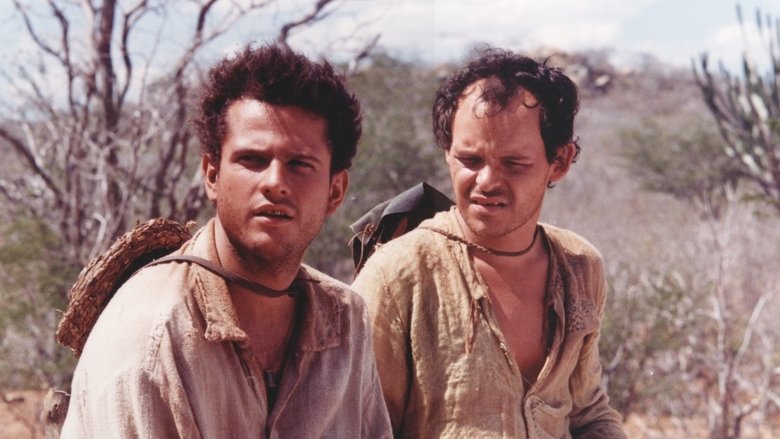
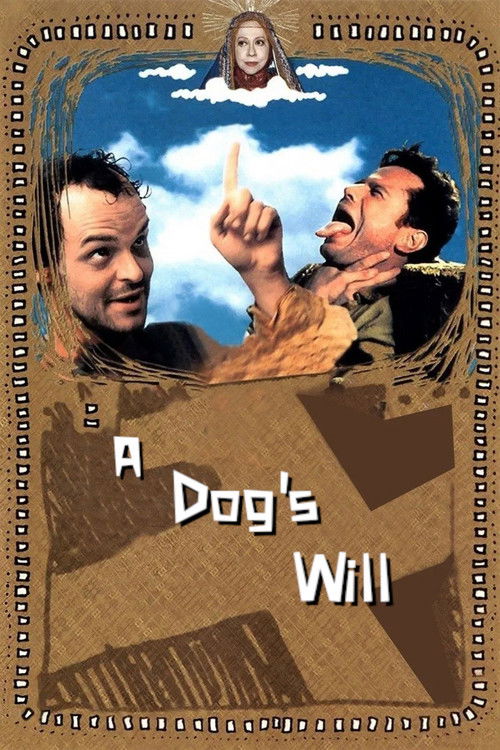
The plot's major turning point occurs when the bandit Severino and his gang corner the main characters—the baker and his wife, the priest, the bishop, João Grilo, and Chicó—in the church. In a bloody confrontation, Severino kills them all, except for Chicó who plays dead. João Grilo, before being shot, attempts one last trick, claiming a blessed harmonica can resurrect the dead. He has Chicó stabbed in a hidden pig's bladder filled with blood to feign death and then "resurrects" him by playing the instrument. Severino, convinced, asks to be shot to test it himself, and dies permanently.
This leads to the film's climax: the Last Judgment. In a celestial courtroom, the Devil (Encourado) acts as prosecutor, listing their sins. The baker and his wife, the priest, and the bishop are all condemned to purgatory. Severino is absolved and sent to heaven because his violent life was a consequence of the trauma of seeing his parents murdered by police, rendering him mentally unwell. João Grilo, seemingly damned for his life of trickery and a blasphemous suicide (he provoked Severino into shooting him), makes a final, desperate appeal to the Virgin Mary, the "Compadecida." She appears and argues passionately on his behalf, convincing her son, Jesus (Manuel), that João's faults were products of a life of poverty and hunger and that he never lost faith. Jesus grants João a second chance. João is resurrected just as Chicó is about to bury him. Forced to honor a promise Chicó made to the Virgin Mary for his friend's return, João begrudgingly donates their money to the church. The film ends with Chicó marrying Rosinha and João Grilo sharing his bread with a poor man, who is implied to be Jesus in disguise, showing he has finally learned the lesson of compassion.